

Can I replace an old RV battery myself?
As an RV battery supplier, I often get asked by customers whether they can replace an old RV battery on their own. It's a valid question, especially considering that many RV enthusiasts like to take a hands - on approach to maintaining their recreational vehicles. In this blog, I'll explore the feasibility of self - replacing an RV battery, the steps involved, and the precautions you need to take.
Understanding RV Batteries
Before we dive into the replacement process, it's important to understand the types of RV batteries available. The most common ones are 12V and 24V batteries. A 12V RV Battery is widely used in smaller RVs and for powering basic electrical systems such as lights, radios, and small appliances. On the other hand, a 24V RV Battery is often found in larger RVs with more demanding electrical requirements, like high - power air conditioners and advanced entertainment systems.
The type of battery you have will also affect the replacement process. There are different chemistries, including lead - acid (flooded, AGM, and gel) and lithium - ion. Lead - acid batteries are more traditional and have been used in RVs for a long time. They are relatively inexpensive but require more maintenance. Lithium - ion batteries, while more expensive upfront, offer longer life, higher energy density, and less maintenance.
Assessing Your Skills and Tools
Replacing an RV battery is not an overly complicated task, but it does require some basic mechanical skills and the right tools. You'll need a socket wrench set to remove and install the battery terminals, a battery carrier or lift if the battery is heavy, and safety equipment such as gloves and goggles.

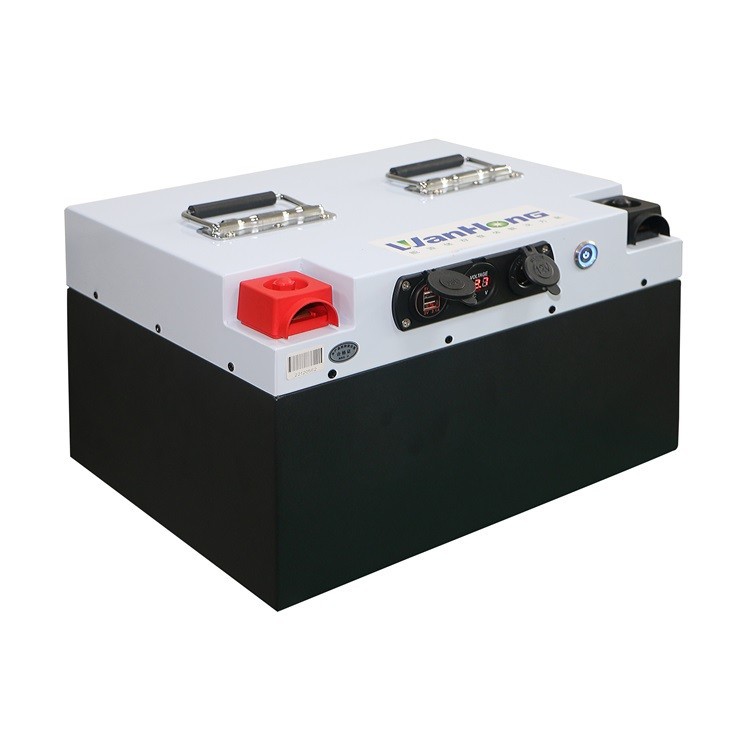
If you're comfortable working with basic tools and have a general understanding of electrical systems, you're likely capable of replacing the battery yourself. However, if you're unsure about any step of the process or have limited experience with electrical work, it might be best to consult a professional.
Steps to Replace an RV Battery
- Safety First: Before you start, make sure the RV is turned off and all electrical appliances are unplugged. Wear gloves and goggles to protect yourself from battery acid and electrical shock.
- Locate the Battery: In most RVs, the battery is located in a compartment either under the RV or in a dedicated battery box. Open the compartment and identify the battery.
- Disconnect the Battery: Start by disconnecting the negative terminal (usually black) first. Use a socket wrench to loosen the nut on the terminal and remove the cable. Then, do the same for the positive terminal (usually red).
- Remove the Old Battery: If the battery is held in place by a bracket or strap, remove it using the appropriate tool. Carefully lift the old battery out of the compartment and place it in a safe location.
- Prepare the New Battery: Check the new battery to ensure it is the correct type and size for your RV. Make sure the terminals are clean and free of any corrosion.
- Install the New Battery: Place the new battery in the compartment and secure it with the bracket or strap. Connect the positive terminal first, followed by the negative terminal. Tighten the nuts on the terminals to ensure a good connection.
- Test the Battery: Once the battery is installed, turn on the RV and check that all electrical systems are working properly. You can also use a battery tester to check the voltage of the new battery.
Precautions and Considerations
- Battery Disposal: Old RV batteries are considered hazardous waste because they contain lead and acid. Make sure to dispose of them properly at a recycling center or a battery retailer.
- Battery Compatibility: Ensure that the new battery is compatible with your RV's electrical system. Check the voltage, capacity, and terminal configuration before making a purchase.
- Electrical Safety: When working with batteries, there is a risk of electrical shock and short - circuits. Avoid touching the battery terminals with metal tools or your bare hands, and make sure the tools are insulated.
When to Seek Professional Help
While replacing an RV battery can be a DIY project, there are some situations where it's best to seek professional help:
- Complex Electrical Systems: If your RV has a complex electrical system, such as a solar power setup or a sophisticated inverter, it's advisable to have a professional handle the battery replacement.
- Battery Issues: If you suspect that there are other issues with the battery or the electrical system, like a charging problem or a short - circuit, a professional can diagnose and fix the problem.
- Lack of Experience: If you're not confident in your abilities or have never worked with batteries before, it's better to let a professional do the job to avoid any safety risks.
How to Choose the Right RV Battery
As an RV battery supplier, I know that choosing the right battery is crucial for the performance of your RV. Here are some factors to consider:
- Capacity: The capacity of a battery is measured in amp - hours (Ah). A higher capacity battery will provide more power and last longer between charges.
- Chemistry: As mentioned earlier, lead - acid and lithium - ion are the two main types of RV batteries. Consider your budget, usage requirements, and maintenance preferences when choosing the chemistry.
- Brand and Quality: Choose a reputable brand that offers high - quality batteries. Read reviews and ask for recommendations from other RV owners.
Conclusion
In conclusion, replacing an old RV battery can be a do - it - yourself project if you have the right skills, tools, and knowledge. However, it's important to take all the necessary safety precautions and ensure that the new battery is compatible with your RV's electrical system. If you're unsure about any step of the process, don't hesitate to seek professional help.
If you're in the market for a new RV battery, we're here to help. We offer a wide range of high - quality 12V RV Battery and 24V RV Battery options to meet your needs. Contact us to discuss your requirements and start a procurement negotiation. We're committed to providing you with the best products and services for your RV battery needs.
References
- "RV Electrical Systems: A Comprehensive Guide", RVing World Magazine
- "Battery Basics for RV Owners", National Recreational Vehicle Dealers Association