

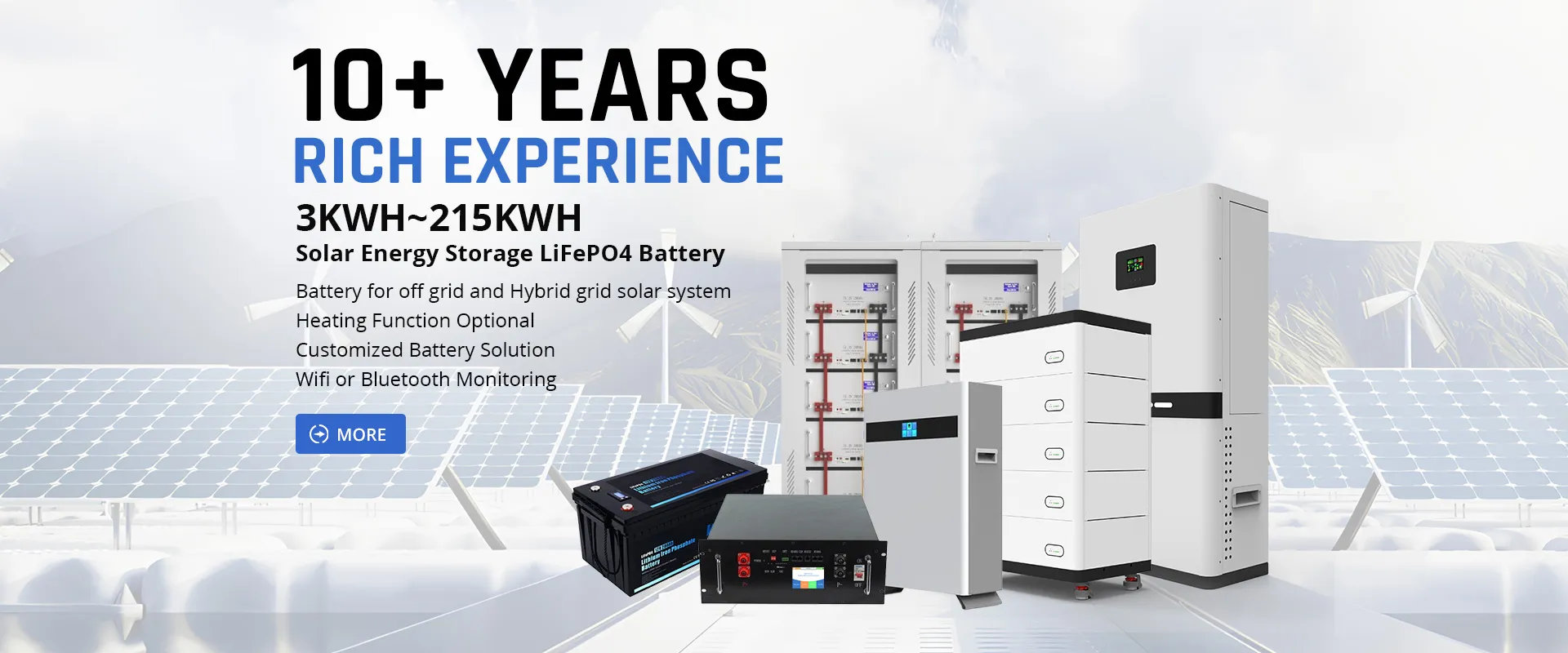
Huizhou Wanhong Energy Technology Co., Ltd. is a large-scale lithium battery manufacturer. It was established in 2015 with a registered capital of 10 million. The company consists of an elite team with 10 years of experience in battery industry R&D, production, quality and sales. The R&D center is located in Building F, No.9, Shangxue Industrial City East, Bantian Street, Longgang, Shenzhen. The manufacturing base is located in Building 1 of Dahong Science and Technology Park, Hongtian Village, Xinxu Town, Huizhou City. It has more than 150 employees, including 12 R&D personnel. WHET focuses on the overall solution and manufacturing of Power batteries and Energy storage battery systems. Adhering to the market-oriented approach and supported by a strong R&D team, it tailors high-quality and reliable new energy products according to customer needs.
01
Rich Product Variety
Our company offers a wide range of products, including solar storage batteries, power lithium batteries, LiFePO4 batteries, and so on. Our diverse product line ensures that we can meet the demands of different industries and applications.
02
Wide Range of Product Uses
Our products are suitable for various electric vehicles, including golf carts, electric motorcycles, e-bikes, electric tricycles, Automated Guided Vehicles (AGVs), Utility Task Vehicles (UTVs), All-Terrain Vehicles (ATVs), club cars, and electric vehicles (EVs). They are designed to fulfill diverse transportation and operational requirements, serving industries from personal mobility and recreational activities to commercial and industrial applications.
03
Quality Guaranteed
Our products are certified by globally recognized standards, including UL, CE, FCC, KC, UN38.3, IEC62133, PSE, ISO9001, ROHS, and MSDS, reflecting our commitment to delivering high-quality and reliable solutions. Known for our professionalism, high-quality products, and competitive pricing, we have earned the trust of our customers. What’s more, we remain committed to exceeding expectations by delivering exceptional products and outstanding customer service.
04
Leading Service
We offer professional after-sales service, with a dedicated team providing 24-hour customer support and technical assistance. We guarantee prompt responses, with feedback within 2 hours and a solution provided within 48 hours, ensuring exceptional customer satisfaction.
-
![12V Lifepo4 Marine Battery]() 12V Lifepo4 Marine BatteryWith WHET Energy's 12V LiFePO4 marine battery, you can sail confidently in all types of waters. It's a power solution carefully crafted for onboard use.read more
12V Lifepo4 Marine BatteryWith WHET Energy's 12V LiFePO4 marine battery, you can sail confidently in all types of waters. It's a power solution carefully crafted for onboard use.read more -
![24V Lifepo4 Marine Battery]() 24V Lifepo4 Marine BatteryOur 24V lithium iron phosphate marine battery is designed for marine environments and is an ideal choice for efficient power sources. This battery employs advanced lithium iron phosphate technology,read more
24V Lifepo4 Marine BatteryOur 24V lithium iron phosphate marine battery is designed for marine environments and is an ideal choice for efficient power sources. This battery employs advanced lithium iron phosphate technology,read more -
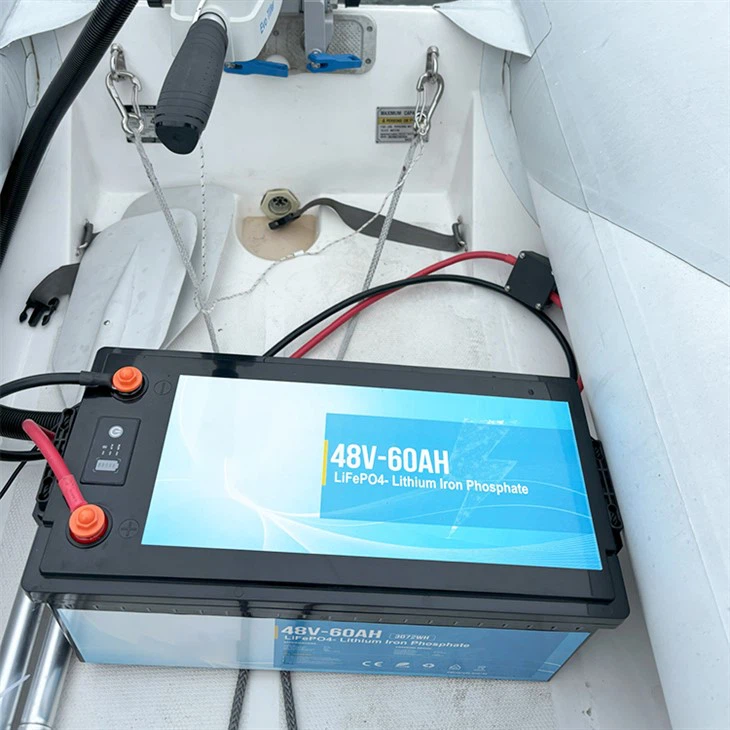
![48V Lifepo4 Marine Battery]() 48V Lifepo4 Marine BatteryWHET Energy is committed to providing efficient and reliable energy solutions for the maritime field. Our newly launched 48V LiFePO4 marine battery is designed to meet a wide range of ship needs,read more
48V Lifepo4 Marine BatteryWHET Energy is committed to providing efficient and reliable energy solutions for the maritime field. Our newly launched 48V LiFePO4 marine battery is designed to meet a wide range of ship needs,read more


What is Marine ESS
Marine ESS (Energy Storage System) refers to energy storage solutions specifically designed for marine applications, such as ships and offshore platforms. It typically consists of large battery systems used to optimize energy usage, reduce fuel consumption, and lower emissions.
Features of Marine ESS
Emission Reduction
Marine ESS contributes greatly to reducing harmful emissions, including CO2, NOx, and SOx, by supporting the shift towards electric or hybrid propulsion systems. With stricter environmental regulations in place for marine operations, especially in emission control areas (ECAs), the ability to reduce emissions helps vessels comply with global maritime regulations. By storing renewable energy and integrating it into the power system, Marine ESS further minimizes the environmental footprint of marine vessels.
Energy Optimization
Marine ESS optimizes energy usage by storing surplus power generated by onboard generators or renewable energy sources such as solar or wind. This stored energy can be used later when demand increases or when renewable energy sources are not available, improving overall energy efficiency. ESS enables vessels to operate more effectively in varying power conditions, whether during peak operational hours or in standby modes.
Reliability and Backup Power
Marine ESS provides reliable power, acting as a backup during critical situations, such as power outages or failures of the primary energy source. In emergency scenarios or when operating in areas where shore power is unavailable, the stored energy in an ESS ensures that essential systems continue to function. This reliability is crucial for maintaining operations on ships and offshore platforms, where power interruptions could lead to safety hazards or operational delays.
Modular Design
Marine ESS often features a modular design, which allows for easy installation, expansion, and maintenance. This flexibility enables customization for different vessel types and energy requirements. The modular system also makes it easier to scale up or down as needed, and facilitates maintenance by allowing individual modules to be replaced or serviced without disrupting the entire system, enhancing reliability and efficiency.
Hybrid Compatibility
Marine ESS systems can easily integrate with traditional diesel engines, creating hybrid systems that combine the best of both technologies. This hybrid configuration allows vessels to switch between fuel-based power and battery-stored energy depending on operational needs, optimizing performance. The flexibility provided by hybrid systems enables vessels to operate in emission-restricted zones, such as ports, using electric power, while still having the capability to use traditional fuel for long-distance voyages.
Space Optimization
Modern Marine ESS systems are designed to be compact and modular, allowing them to fit into the limited space available on vessels. The modular design ensures that ESS can be easily scaled based on the vessel’s specific energy storage requirements. This feature is especially beneficial for ships with constrained space, such as ferries or offshore service vessels, where space must be maximized for operational and cargo purposes.
Longer Equipment Lifespan
By using stored energy from an ESS, marine vessels can reduce the wear and tear on engines and generators, as they don’t have to operate continuously at high loads. This helps extend the lifespan of these mechanical components, lowering maintenance costs and reducing the frequency of replacements. Over time, the reduced strain on the engine contributes to overall better equipment health, leading to more sustainable and cost-effective operations.
Support for Renewable Energy Integration
Marine ESS is instrumental in incorporating renewable energy sources into marine operations. Ships can store energy generated from solar panels or wind turbines, reducing their dependence on traditional fuel-powered generators. By using this stored renewable energy when needed, vessels can reduce fuel consumption and further decrease emissions, making their operations more sustainable.
How to Choose Marine ESS
Battery Technology
Different battery technologies are available, each with specific advantages and trade-offs. One common option is Lithium Iron Phosphate (LFP) batteries, which offer a longer lifespan, enhanced thermal stability, and higher safety standards, making them a suitable choice for marine environments. Another option is Nickel Manganese Cobalt (NMC) batteries, which provide a higher energy density but may be less durable and more expensive. It's important to assess the expected lifetime, safety features, and energy output of each battery type to choose the best fit for your vessel’s operational needs.
01
Safety Considerations
Safety is a critical factor when selecting a marine ESS. Battery systems must be robust enough to withstand the harsh marine environment, which includes exposure to vibration, temperature variations, and potential water ingress. Operators should prioritize systems with advanced safety features, such as fire suppression mechanisms, automated cooling systems, and protective housing.
02
Compliance with Regulations
When choosing a marine ESS, it is essential to ensure compliance with local and international maritime regulations. Various governing bodies, including the IMO, have introduced stringent regulations to reduce emissions and promote sustainable energy use. Vessel operators should confirm that the ESS meets all relevant safety, environmental, and performance standards, especially concerning emissions reduction targets and energy efficiency mandates. Non-compliance could result in penalties, restrictions on vessel operation, or the need for costly retrofitting later on.
03
System Integration
Proper integration of the ESS with existing vessel systems is crucial for seamless operation. The ESS should be compatible with the vessel's energy management system, propulsion systems, and onboard power distribution. Marine ESS suppliers often offer tailored integration services to ensure that the system operates efficiently within the specific design parameters of the vessel. Ensuring that the ESS is scalable and can adapt to future upgrades is also important for long-term investment viability.
04
Supplier Reputation and Support
Finally, it is important to choose a supplier with a solid reputation for reliability and after-sales support. Marine ESS is a significant investment, and having access to technical support, maintenance services, and warranty coverage is crucial for maintaining the system's performance. Opt for suppliers with a proven track record in the maritime industry, as well as those who offer comprehensive training and after-installation services.
05
Maintenance of Marine ESS


Regular Monitoring and Diagnostics
The first step in maintaining a marine ESS is to implement a system for regular monitoring and diagnostics. Marine ESS should be equipped with advanced monitoring tools that provide real-time data on battery performance, temperature, voltage, and charge levels. Monitoring systems can alert operators to potential issues before they escalate into serious problems. Regular diagnostics should be performed to assess the overall health of the ESS, and any anomalies should be investigated promptly to avoid system failures.
Temperature Management
Maintaining proper temperature levels is crucial for the longevity and safety of a marine ESS. Batteries in marine environments are exposed to temperature fluctuations, which can significantly affect their performance and lifespan. Excessive heat can cause thermal runaway, while extremely low temperatures can reduce battery efficiency. Operators should ensure that the ESS is equipped with effective cooling and heating systems to maintain the ideal operating temperature. Regularly checking the thermal management systems and making necessary adjustments will help prevent battery degradation.
Routine Cleaning and Inspections
Routine cleaning and inspections are necessary to maintain the integrity of the marine ESS. Dust, dirt, and moisture can accumulate on the components, potentially leading to electrical malfunctions or corrosion. It is essential to keep the ESS clean by wiping down surfaces, ensuring proper ventilation, and removing any contaminants. Additionally, regular inspections should be conducted to check for signs of wear and tear, such as loose connections, damaged wiring, or corroded components. Identifying and addressing these issues early can prevent system failures and costly repairs.
Firmware and Software Updates
Firmware and software updates are essential to maintaining the functionality and security of a marine ESS. As manufacturers release new software versions, these updates often include important improvements in battery management, safety protocols, and system optimization. Regularly updating the ESS software ensures that the system operates with the latest features and security patches. Operators should work closely with their ESS suppliers to receive notifications about new updates and schedule maintenance to install them.
Compliance with Safety Regulations
Ensuring compliance with safety regulations is a key part of marine ESS maintenance. Regular maintenance checks should include verifying that the ESS complies with all relevant maritime safety standards and regulations, such as those set by the International Maritime Organization (IMO). This includes checking the integrity of fire suppression systems, ensuring proper ventilation, and conducting routine safety drills. Any deviations from safety standards should be corrected immediately to avoid regulatory penalties and ensure the safety of the crew and vessel.
Types of Marine ESS

Lithium-Ion Batteries (Li-ion)
Lithium-ion batteries are the most commonly used type of ESS in the marine industry due to their high energy density and efficiency. Li-ion batteries can store a significant amount of energy in a relatively small space, making them ideal for vessels with limited room for large systems. These batteries also have a high cycle life, meaning they can be charged and discharged many times without significant degradation. Additionally, lithium-ion batteries offer fast charging capabilities, which is important for vessels that need quick turnaround times between operations. However, careful temperature management is essential, as Li-ion batteries can overheat if not properly maintained.
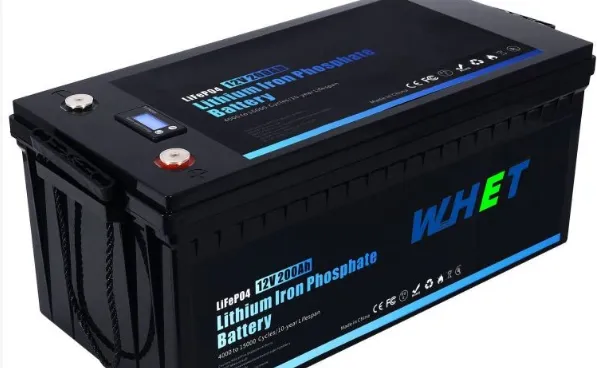
Lithium Iron Phosphate (LFP) Batteries
Lithium Iron Phosphate (LFP) batteries are a subtype of lithium-ion batteries known for their enhanced safety features and longer lifespan. LFP batteries are less prone to overheating and thermal runaway, making them a safer option for marine environments. These batteries are highly stable and offer a longer cycle life compared to other lithium-ion chemistries. While LFP batteries have a lower energy density than standard lithium-ion batteries, their safety and durability make them a popular choice for vessels operating in challenging conditions.

Nickel Manganese Cobalt (NMC) Batteries
Nickel Manganese Cobalt (NMC) batteries are another subtype of lithium-ion batteries that offer high energy density and excellent performance. NMC batteries are known for their versatility and are often used in hybrid propulsion systems. They provide a good balance between energy density, cost, and safety, making them suitable for a wide range of marine applications. However, NMC batteries may require more rigorous temperature management compared to LFP batteries, as they are more prone to overheating under certain conditions.
Flow Batteries
Flow batteries are an emerging technology in marine ESS that use liquid electrolytes to store energy. These batteries offer a longer cycle life than traditional lithium-ion batteries and can be scaled to store large amounts of energy. Flow batteries are particularly well-suited for large vessels that require significant energy storage capacity. One of the advantages of flow batteries is their ability to discharge fully without degrading, making them highly durable. However, they are bulkier and more expensive than other battery types, which may limit their use on smaller vessels.

Application of Marine ESS
Hybrid Propulsion Systems
One of the primary applications of marine ESS is in hybrid propulsion systems. Hybrid propulsion combines traditional internal combustion engines with electric motors powered by energy stored in the ESS. In this setup, the ESS can provide electric power for propulsion during low-speed operations or while maneuvering in port, significantly reducing fuel consumption and emissions. The ESS can also assist in peak shaving by providing additional power during periods of high demand, helping to optimize the engine's fuel efficiency. Hybrid systems are commonly used on ferries, tugboats, and offshore support vessels.
Peak Shaving
Another key application of marine ESS is in peak shaving, which involves using stored energy to reduce power demand spikes. In many vessels, engines are sized to handle peak loads, which may only occur for short periods during operations. By deploying an ESS, operators can use stored energy during these high-demand periods, allowing the main engines to run more efficiently at lower, steadier loads. This not only reduces fuel consumption but also extends the engine's life by avoiding overuse. Peak shaving is particularly beneficial for vessels with fluctuating power demands, such as cruise ships and research vessels.
Emergency Backup Power
Marine ESS can serve as an emergency backup power source in case of engine failure or power loss. In the event of a blackout or critical failure in the primary power systems, the ESS can immediately provide electricity to essential systems such as navigation, communication, and life-support equipment. Having a reliable backup power source is crucial for vessels operating in remote areas, offshore installations, or during critical operations. This application enhances safety and ensures that the vessel can continue operating, even in emergencies.
Frequently Asked Questions
As one of the most professional marine ess manufacturers and suppliers in China, we're featured by quality products and low price. Welcome to wholesale customized marine ess from our factory. Contact us for quotation.
marine ess, 48V Lifepo4 Marine Battery