

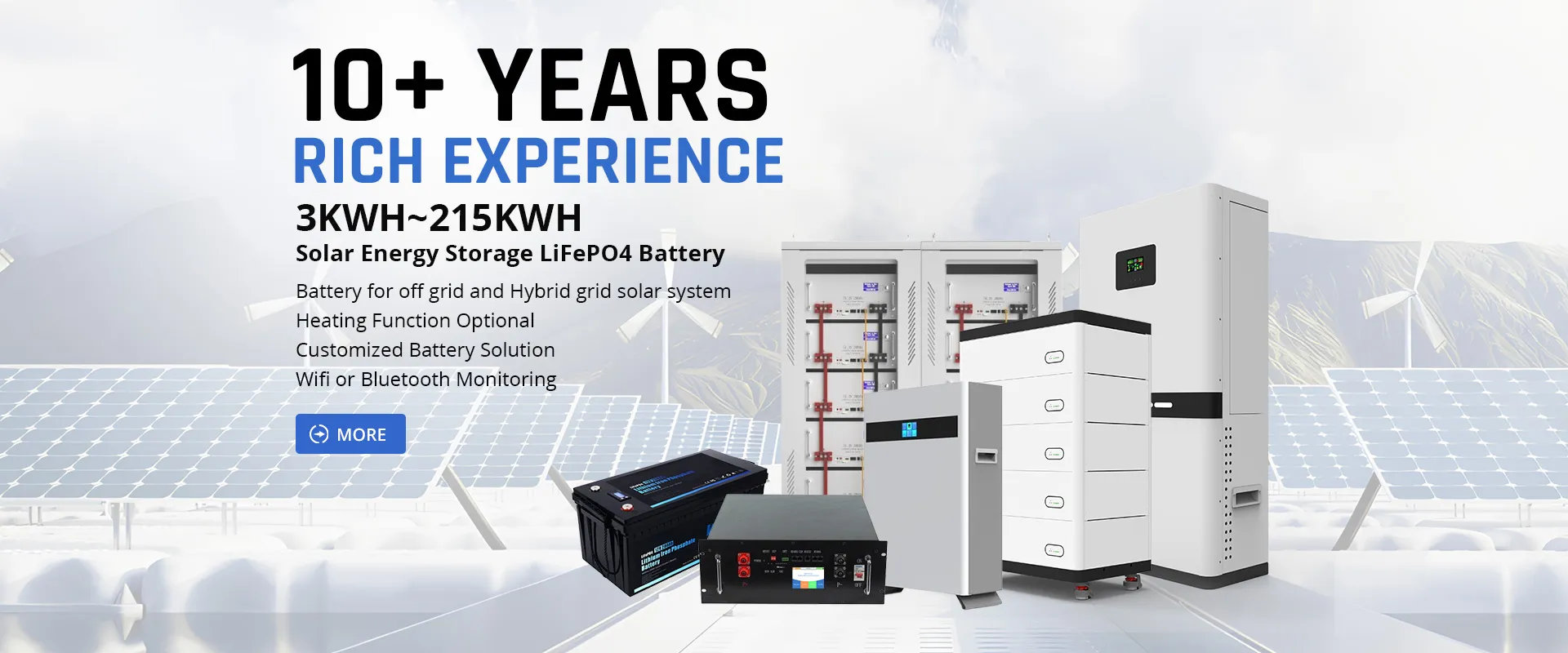
Huizhou Wanhong Energy Technology Co., Ltd. is a large-scale lithium battery manufacturer. It was established in 2015 with a registered capital of 10 million. The company consists of an elite team with 10 years of experience in battery industry R&D, production, quality and sales. The R&D center is located in Building F, No.9, Shangxue Industrial City East, Bantian Street, Longgang, Shenzhen. The manufacturing base is located in Building 1 of Dahong Science and Technology Park, Hongtian Village, Xinxu Town, Huizhou City. It has more than 150 employees, including 12 R&D personnel. WHET focuses on the overall solution and manufacturing of Power batteries and Energy storage battery systems. Adhering to the market-oriented approach and supported by a strong R&D team, it tailors high-quality and reliable new energy products according to customer needs.
01
Rich Product Variety
Our company offers a wide range of products, including solar storage batteries, power lithium batteries, LiFePO4 batteries, and so on. Our diverse product line ensures that we can meet the demands of different industries and applications.
02
Wide Range of Product Uses
Our products are suitable for various electric vehicles, including golf carts, electric motorcycles, e-bikes, electric tricycles, Automated Guided Vehicles (AGVs), Utility Task Vehicles (UTVs), All-Terrain Vehicles (ATVs), club cars, and electric vehicles (EVs). They are designed to fulfill diverse transportation and operational requirements, serving industries from personal mobility and recreational activities to commercial and industrial applications.
03
Quality Guaranteed
Our products are certified by globally recognized standards, including UL, CE, FCC, KC, UN38.3, IEC62133, PSE, ISO9001, ROHS, and MSDS, reflecting our commitment to delivering high-quality and reliable solutions. Known for our professionalism, high-quality products, and competitive pricing, we have earned the trust of our customers. What’s more, we remain committed to exceeding expectations by delivering exceptional products and outstanding customer service.
04
Leading Service
We offer professional after-sales service, with a dedicated team providing 24-hour customer support and technical assistance. We guarantee prompt responses, with feedback within 2 hours and a solution provided within 48 hours, ensuring exceptional customer satisfaction.
-
![12V RV Battery]() 12V RV BatteryWHET has launched a newly upgraded 12V RV battery, specifically designed for wanderers and adventurers who cherish freedom and the adventure spirit, offering efficient and reliable energy storageread more
12V RV BatteryWHET has launched a newly upgraded 12V RV battery, specifically designed for wanderers and adventurers who cherish freedom and the adventure spirit, offering efficient and reliable energy storageread more -
![24V RV Battery]() 24V RV BatteryFor those who venture beyond the grid, Huizhou Wanhong Energy Tech. Co., Ltd. introduces the 24V RV Battery, a solar energy vault that's a paragon of reliability and adaptability, meticulouslyread more
24V RV BatteryFor those who venture beyond the grid, Huizhou Wanhong Energy Tech. Co., Ltd. introduces the 24V RV Battery, a solar energy vault that's a paragon of reliability and adaptability, meticulouslyread more


What is RV Battery
An RV battery is a specialized battery designed to power recreational vehicles (RVs), providing electricity for both engine starting and onboard appliances when the vehicle is off-grid. There are two main types: starting batteries (chassis batteries), used to start the engine, and deep cycle batteries (house batteries), which provide continuous power for appliances like lights, refrigerators, and air conditioners. RV batteries are typically either lead-acid (affordable but requiring maintenance) or lithium-ion (more expensive but offering longer life, faster charging, and higher efficiency).
Features of RV Battery
Deep Cycle Design
RV batteries are typically deep cycle batteries, which are specifically designed to provide a consistent and steady energy supply over an extended period of time. Unlike starting batteries, which deliver short bursts of power to start an engine, deep cycle batteries can discharge up to 80% of their capacity without suffering damage, making them ideal for applications like RVs that require prolonged use of power. They are built to withstand multiple discharge and recharge cycles, which means you can use them to power your RV’s appliances, lights, and electronics for long periods, and then recharge them for future use. This ability to repeatedly discharge and recharge makes deep cycle batteries reliable and durable, especially for off-grid or boondocking RV adventures.
Capacity
The capacity of RV batteries is measured in amp-hours (Ah), a key factor that determines how much energy the battery can store and supply to the RV’s systems. The higher the amp-hour rating, the longer the battery can power the RV’s appliances and devices before needing to be recharged. For example, a battery with a capacity of 100 Ah will last longer than one with a capacity of 50 Ah, assuming both are powering the same devices. This makes it essential to choose a battery with sufficient capacity to meet your RV's power demands, especially if you use energy-intensive devices like air conditioners, refrigerators, or entertainment systems. Additionally, larger capacity batteries can help you stay off-grid longer without needing frequent recharges, offering greater flexibility in your travel plans.
Durability
RV batteries are engineered to handle the rugged conditions of road travel. Constant vibrations, bumps, and jolts from driving can wear down standard batteries, but RV-specific deep cycle batteries are designed to be more resilient. They often feature reinforced cases and robust internal structures to protect them from damage caused by vibration and impact. This durability ensures that the battery remains functional even after thousands of miles of road travel. AGM (Absorbed Glass Mat) and lithium-ion batteries are particularly known for their durability, as they are sealed and constructed to withstand more extreme conditions without leaking or becoming damaged.
Low Maintenance
Modern RV batteries, such as AGM and lithium-ion types, are designed to require little to no maintenance, which is a significant advantage for RV owners. Traditional flooded lead-acid batteries need regular maintenance, such as checking and refilling water levels to prevent the battery from drying out and cleaning the terminals to prevent corrosion. In contrast, AGM and lithium-ion batteries are sealed and do not require water refills. These batteries also tend to resist corrosion, making them a convenient, low-maintenance option for RV users who prefer to spend more time enjoying their travels rather than worrying about battery upkeep.
Rechargeability
One of the most important features of RV batteries is their rechargeability. RV batteries can be recharged using various sources of power, such as solar panels, shore power at a campground, or the vehicle’s alternator while driving. This flexibility in recharging ensures that RV owners can maintain power no matter where they are. Solar panels, in particular, have become a popular option for recharging RV batteries, as they provide a sustainable and eco-friendly way to keep the batteries charged while off-grid. A reliable battery paired with a good recharging system allows RV users to extend their travel time and enjoy a consistent power supply.
Energy Efficiency
RV batteries are designed to be energy-efficient, meaning they provide power without wasting energy or draining too quickly. This efficiency is essential for powering a wide range of appliances and devices in an RV, such as lighting, refrigerators, fans, water pumps, and entertainment systems. Energy-efficient batteries can sustain these systems for extended periods, ensuring that RV users have the comforts of home even while traveling. Lithium-ion batteries, in particular, are known for their superior energy efficiency, allowing users to get the most power out of each charge. This efficiency not only extends the battery's operational time but also helps reduce the frequency of recharges.
Longevity
High-quality RV batteries are designed to have a long lifespan, ensuring they provide reliable power over many years of use. Lithium-ion batteries are especially known for their longevity, with some lasting up to 10 years or more, depending on how they are maintained. AGM batteries also offer a long service life compared to traditional flooded lead-acid batteries. The longer lifespan of these modern battery types makes them a valuable investment, as they reduce the need for frequent replacements. Proper maintenance, including regular charging and avoiding deep discharges, can further extend the life of these batteries, ensuring that RV owners can enjoy reliable power for years to come.
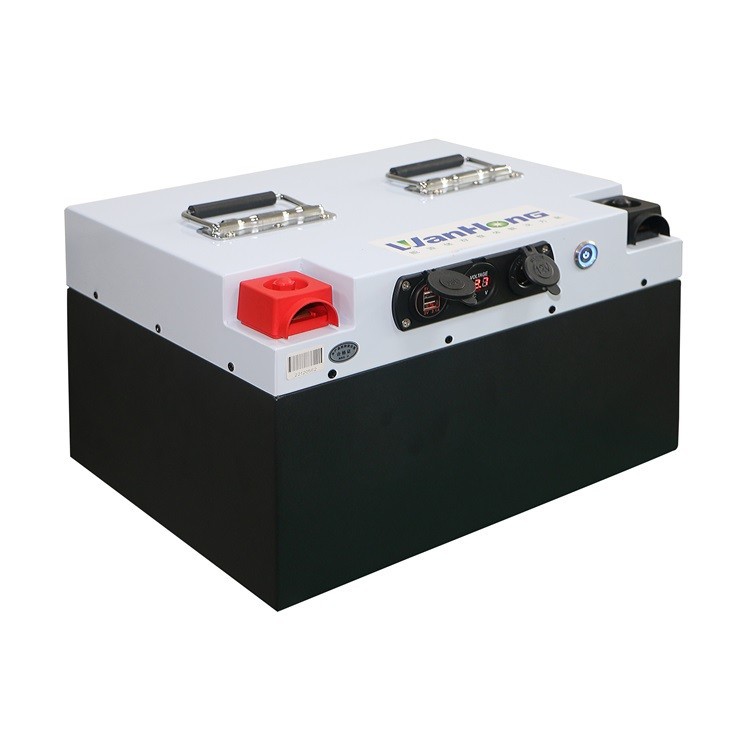
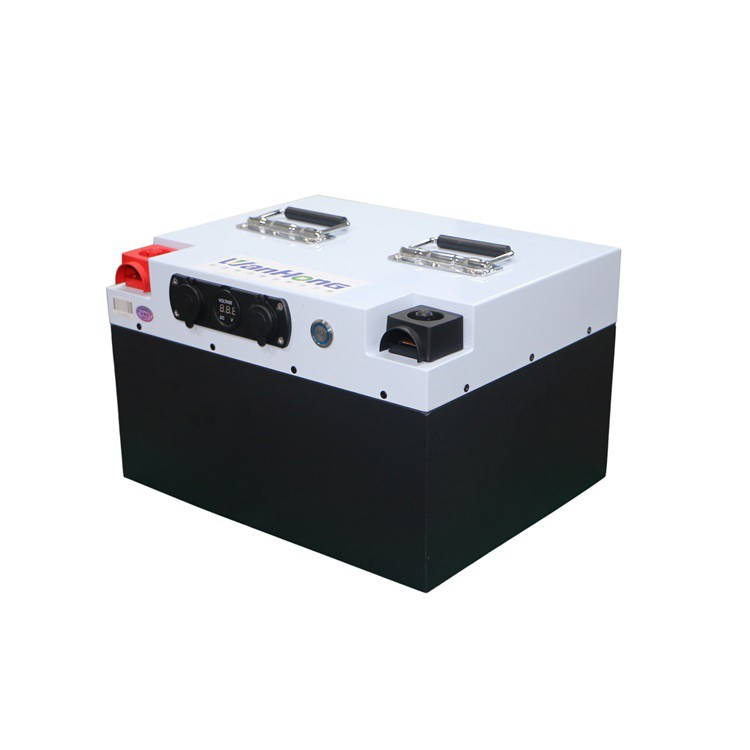
How to Choose RV Battery


Battery Type
When choosing a battery for your RV, it’s important to consider the different types available, each with its own advantages and drawbacks. Flooded lead-acid batteries are the most common and affordable option, but they require regular maintenance, such as checking water levels, and they release gases that require proper ventilation. Absorbed Glass Mat (AGM) batteries offer a more convenient, maintenance-free alternative. They are sealed, more resistant to vibration, and have a longer lifespan than flooded batteries, making them a good choice for RV use. Gel batteries, also sealed and maintenance-free, are excellent for deeper discharges, but they tend to be more expensive than AGM batteries. For those looking for top performance, lithium-ion batteries are the premium option. They provide the longest lifespan, sometimes up to 10 years, along with faster charging, lighter weight, and the ability to discharge more deeply. However, they come at a higher cost, making them the most expensive option. Each battery type offers different benefits depending on your budget and power needs, so it's important to weigh these factors when making your selection.
Battery Capacity (Amp-Hours)
When selecting an RV battery, it’s essential to consider its capacity, measured in amp-hours (Ah), to ensure it meets your energy needs. Start by estimating how much power you’ll use daily, taking into account devices such as lights, fans, water pumps, appliances, and electronics. The higher the Ah rating, the more energy the battery can store and the longer it will last between charges. If you frequently take extended trips without access to hookups, it’s best to choose a battery with a high capacity, typically between 100 and 400 Ah, to ensure that it can power your RV’s systems for longer periods without needing to recharge.
Durability
When selecting a battery for your RV, it’s important to choose one that can withstand the harsh conditions of travel, particularly the vibrations and shocks encountered on the road. Batteries designed for durability, such as AGM (Absorbed Glass Mat) and lithium-ion, are ideal for RV use as they are more resistant to physical impact compared to traditional flooded lead-acid batteries.
Weight and Space
When choosing between different types of RV batteries, it’s important to consider the weight and space requirements. Lithium-ion batteries are much lighter than traditional lead-acid batteries and take up less space, making them an excellent option for smaller RVs or if weight is a concern. On the other hand, flooded lead-acid or AGM batteries are heavier but remain effective for larger RVs where weight is less of an issue.
Reputation and Warranty
Look for reputable brands with good reviews and a solid warranty. Lithium-ion batteries often come with longer warranties (up to 10 years), while lead-acid batteries usually have shorter warranties.
Maintenance of RV Battery
Regular Charging
To extend the battery’s lifespan, it’s important to avoid deep discharges. Try not to let the battery drop below 50% of its capacity. While lithium-ion batteries can be discharged to around 80-90%, it's still a good practice to recharge them regularly. Using a smart charger is beneficial, as it adjusts the charging rate based on the battery's needs, helping to prevent overcharging.
Check Water Levels (For Flooded Lead-Acid Batteries)
Flooded lead-acid batteries require regular maintenance, including checking the water levels every 1 to 2 months. Make sure the water level is high enough to cover the lead plates inside the battery cells. When adding water, only use distilled water, as tap water contains minerals that could harm the battery.
Keep Terminals Clean
Inspect the battery terminals regularly to ensure there’s no corrosion, as this can affect performance and charging efficiency. Clean the terminals with a solution of baking soda and water or use a terminal cleaner. After cleaning, apply a protective coating like petroleum jelly or a terminal protector to prevent future corrosion.
Store the Battery Properly
Before storing your RV battery during the off-season, fully charge it to prevent it from staying in a low-charge state. Disconnect the battery from the RV to avoid parasitic drain, and store it in a cool, dry place, ideally above freezing temperatures. Periodically check the battery’s charge, and recharge it every 1 to 3 months if necessary to maintain its health.
Monitor Battery Voltage
Regularly check the voltage of your RV battery using a voltage meter or battery monitor. This helps ensure the battery is not discharging too deeply. For lead-acid batteries, avoid letting the voltage drop below 12.2 volts, which indicates the battery is around 50% discharged.
Minimize Parasitic Loads
Even when the RV is not in use, small electronic devices such as clocks, alarms, and control panels can drain the battery over time. Turn off or disconnect these devices when not needed, and consider installing a battery disconnect switch to cut off power to non-essential systems when the RV is not in use.
Avoid Extreme Temperatures
Heat can accelerate battery wear, so avoid storing or using your RV battery in high-temperature environments. Cold temperatures can reduce the performance and capacity of lead-acid batteries. If storing your battery in freezing conditions, ensure it is fully charged to prevent it from freezing and becoming damaged.
Use a Solar Charger (Optional)
If you spend extended periods off-grid, a solar charger can help maintain your RV battery’s charge. Solar chargers connected to solar panels will help keep your battery topped up, especially during long storage periods.
Replace When Necessary
Over time, even a well-maintained battery will lose its ability to hold a charge. If you notice your battery is no longer holding a charge as it should, despite proper maintenance, it may be time for a replacement to ensure reliable performance.
Types of RV Battery
Flooded lead-acid (FLA)
FLA batteries are tried, tested and readily available, making them a good option for budget-conscious customers. However, they require regular maintenance, including monitoring water levels. They can also spill or leak acid and are somewhat less efficient than AGM or lithium batteries.
Absorbed glass mat (AGM)
While similar in some ways to FLA batteries (they are both lead-acid batteries), AGMs are sealed, maintenance-free and more resistant to vibration, heat and overcharging. They also have a slightly higher energy density, which means they can store more energy in a smaller space. While they are more expensive than FLAs, AGMs tend to have a longer lifespan.
Lithium-Ion (Li-Ion)
The newest battery on the block, Li-Ions, is a good option for customers who want a high-performance, lightweight and long-lasting battery. Li-Ions can handle deep discharge cycles and high charging and discharging rates. On the downside, they are more expensive than their lead-acid counterparts and require special charging equipment.
Application of RV Battery
Water Systems
The RV battery also powers water pumps that allow for running water in the kitchen, bathroom, and shower. Whether you are washing dishes, taking a shower, or flushing the toilet, the battery ensures water is readily available even when you are not hooked up to an external water source. This is particularly important for RVers who enjoy dry camping or boondocking, where utilities like water and power are limited.
01
Lighting
Lighting is one of the more basic but essential uses of RV batteries. From interior cabin lights to exterior floodlights, the battery ensures the RV remains illuminated at night, enhancing safety and convenience. LED lights, which are energy-efficient, are typically used to minimize battery drain. The ability to power lights independently from shore power is a major benefit for extended stays in remote areas.
02
Entertainment Systems
For many RV owners, the ability to run entertainment systems is a key part of the camping experience. RV batteries power televisions, stereo systems, gaming consoles, and DVD players. In larger RVs, home-theater setups may also depend on the battery for operation. This adds a layer of comfort and luxury to outdoor adventures.
03
Starting the RV and Emergency Uses
In addition to powering appliances and systems, RV batteries are sometimes used for starting the engine, particularly in smaller motorhomes or camper vans where a single battery may serve dual purposes. RV batteries are also critical for emergency situations. They power safety systems like smoke detectors, carbon monoxide detectors, and emergency lighting. In the event of a power failure or when the RV’s primary electrical system malfunctions, the battery serves as a backup.
04
Supporting Solar Power Systems
Many RV enthusiasts are turning to solar power as a sustainable energy solution for their travels. RV batteries are crucial in solar setups, as they store energy generated from solar panels for later use. Solar-charging systems connected to deep-cycle batteries allow RV owners to stay off-grid longer, reducing the need to rely on fuel-powered generators or campground hookups. Lithium-ion batteries, in particular, are well-suited for solar energy storage due to their long life, faster charging, and higher efficiency.
05
Frequently Asked Questions
As one of the most professional rv battery manufacturers and suppliers in China, we're featured by quality products and low price. Welcome to wholesale customized rv battery from our factory. Contact us for quotation.
rv battery, 12V RV Battery, 24V RV Battery