

Are there any side effects of long - term use of marine ess?
As a supplier of marine energy storage systems (marine ESS), I often encounter inquiries from customers about the long - term effects of using our products. In this blog, I'll delve into this topic, exploring whether there are any side effects associated with the long - term use of marine ESS and providing a comprehensive understanding of the matter.
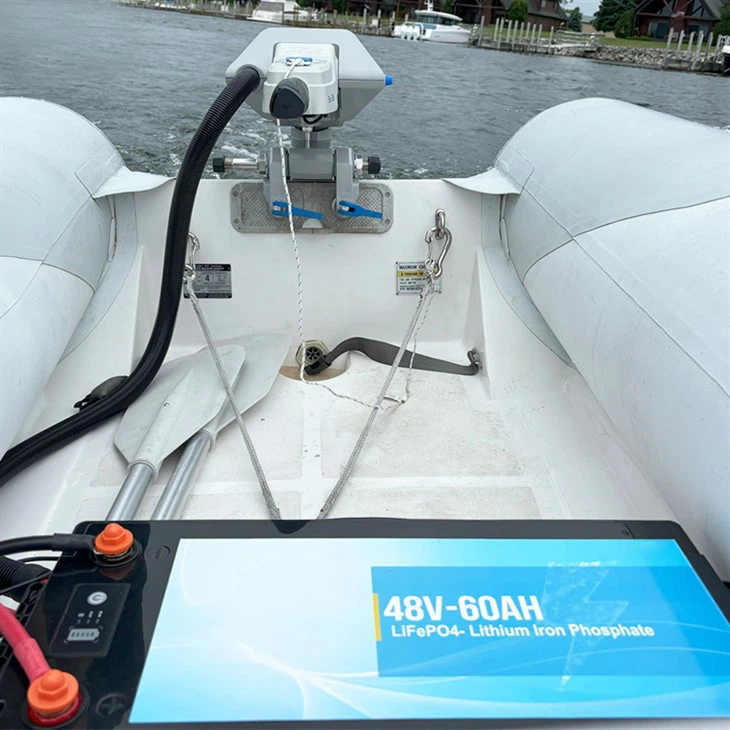
First, let's understand what marine ESS is. Marine ESS refers to energy storage systems specifically designed for marine applications. Our company offers a range of products, including 48V Lifepo4 Marine Battery, 12V Lifepo4 Marine Battery, and 24V Lifepo4 Marine Battery. These lithium - iron - phosphate (LiFePO4) batteries are known for their high energy density, long cycle life, and safety features, making them ideal for powering various marine equipment.
One of the primary concerns regarding long - term use is the degradation of battery performance. Over time, like all batteries, marine ESS will experience a gradual decline in capacity. This is due to chemical reactions within the battery cells. During charging and discharging cycles, lithium ions move between the anode and cathode. However, with repeated cycles, some of these ions can become trapped or form unwanted compounds, reducing the number of available ions for energy storage. This phenomenon is known as capacity fade.
The rate of capacity fade depends on several factors. Temperature is a crucial one. High temperatures can accelerate chemical reactions within the battery, leading to faster capacity loss. In marine environments, where temperatures can vary significantly, especially in tropical regions or during summer months, proper thermal management is essential. Our marine ESS is equipped with advanced thermal management systems to mitigate the impact of temperature on battery performance.
Another factor is the depth of discharge (DOD). Frequent deep discharges can also contribute to capacity fade. When a battery is discharged to a very low state of charge, it puts more stress on the battery cells. To extend the lifespan of our marine ESS, we recommend keeping the DOD within a reasonable range. For example, avoiding discharging the battery below 20% state of charge can significantly slow down the capacity fade process.
In addition to capacity fade, long - term use may also lead to an increase in internal resistance. As the battery ages, the internal resistance can rise due to the formation of solid - electrolyte interphase (SEI) layers on the electrodes and the degradation of electrode materials. Higher internal resistance means that more energy is lost as heat during charging and discharging, reducing the overall efficiency of the battery. This can result in longer charging times and less available power for marine equipment.
However, it's important to note that our marine ESS is designed to minimize these side effects. We use high - quality materials and advanced manufacturing processes to ensure the stability and durability of our batteries. Our research and development team continuously works on improving battery technology to enhance performance and reduce the impact of long - term use.
Safety is another aspect that customers are concerned about. While LiFePO4 batteries are generally considered safer than other types of lithium - ion batteries, long - term use still requires proper safety precautions. Overcharging, over - discharging, or short - circuiting can pose risks such as thermal runaway, which can lead to fire or explosion. To address these concerns, our marine ESS is equipped with multiple safety features, including over - charge protection, over - discharge protection, and short - circuit protection. These safety mechanisms are designed to automatically cut off the power supply in case of abnormal conditions, ensuring the safety of users and marine vessels.
From an environmental perspective, the long - term use of marine ESS has both positive and negative aspects. On the positive side, compared to traditional fossil - fuel - based power sources, marine ESS produces zero emissions during operation, reducing the environmental impact on marine ecosystems. It helps to mitigate air pollution and noise pollution in coastal areas and on the open sea.
On the negative side, the disposal of used batteries can be a challenge. LiFePO4 batteries contain various metals and chemicals, and improper disposal can lead to environmental contamination. However, our company is committed to responsible battery recycling. We have established partnerships with professional recycling companies to ensure that used batteries are recycled in an environmentally friendly manner.
In conclusion, while there are some potential side effects associated with the long - term use of marine ESS, such as capacity fade, increased internal resistance, and safety concerns, these can be effectively managed through proper design, operation, and maintenance. Our marine ESS is engineered to provide reliable and long - lasting performance, with advanced features to minimize the impact of long - term use.

If you are interested in our marine ESS products or have any questions about long - term use and side effects, please feel free to contact us for more information and to discuss your specific requirements. We are here to provide you with the best solutions for your marine energy storage needs.
References
- Linden, D., & Reddy, T. B. (2002). Handbook of Batteries. McGraw - Hill.
- Goodenough, J. B., & Kim, Y. (2010). Challenges for rechargeable Li batteries. Chemistry of Materials, 22(3), 587 - 603.
- Xia, Y., et al. (2019). A review of rechargeable batteries for portable electronic devices, electric vehicles and grid - scale stationary energy storage. Chemical Society Reviews, 48(12), 3288 - 3360.