

When it comes to powering an off - grid cabin, one of the common questions that arises is whether a 12V RV battery can be used. As a supplier of 12V RV batteries, I've encountered this query numerous times. In this blog, I'll delve into the feasibility, advantages, limitations, and other crucial aspects of using a 12V RV battery in an off - grid cabin.
Understanding 12V RV Batteries
First, let's understand what a 12V RV battery is. A 12V RV Battery is designed to provide electrical power in recreational vehicles (RVs). These batteries typically come in different types, such as lead - acid (both flooded and sealed) and lithium - ion. They are built to withstand the rigors of mobile use, with features like vibration resistance and deep - cycle capabilities.
The 12V voltage is a standard in many automotive and small - scale power applications. It's a relatively low - voltage system that is safe and easy to work with. The deep - cycle nature of these batteries means they can be discharged and recharged multiple times without significant degradation, making them suitable for long - term use.
Feasibility of Using a 12V RV Battery in an Off - Grid Cabin
The short answer is yes, a 12V RV battery can be used in an off - grid cabin. However, several factors need to be considered.
Power Requirements
The first step is to assess the power requirements of the off - grid cabin. List all the electrical appliances and devices that will be used in the cabin, including lights, fans, small refrigerators, and charging stations for electronic devices. Calculate the total watt - hours (Wh) of power these devices consume per day. For example, a small LED light might consume 5W, and if it's used for 5 hours a day, it will consume 25Wh.
If the power requirements are relatively low, a 12V RV battery can easily meet the needs. For instance, if the total daily power consumption is around 100 - 200Wh, a single 12V RV battery with a capacity of 100Ah (amp - hours) can provide sufficient power. Keep in mind that the actual usable capacity is usually less than the rated capacity due to factors like battery depth of discharge (DoD).
Charging Options
In an off - grid setting, charging the 12V RV battery is crucial. There are several charging options available:
- Solar Panels: Solar panels are a popular choice for off - grid power systems. They convert sunlight into electricity and can be used to charge the 12V RV battery. The size and number of solar panels required depend on the battery capacity and the power consumption of the cabin. For example, a 100Ah 12V battery might require a solar panel system with a capacity of around 100 - 200 watts to recharge fully in a day, depending on sunlight availability.
- Wind Turbines: In areas with consistent wind, wind turbines can also be used to charge the battery. They work by converting wind energy into electrical energy. However, wind turbines are more complex to install and maintain compared to solar panels.
- Generator: A small gasoline or diesel generator can be used as a backup charging source. It can quickly recharge the battery when solar or wind power is insufficient.
Advantages of Using a 12V RV Battery in an Off - Grid Cabin
- Cost - Effective: 12V RV batteries are generally more affordable compared to larger, higher - voltage battery systems. They are readily available in the market, and the cost of installation and maintenance is relatively low.
- Easy to Install and Maintain: These batteries are designed for easy installation, even for those with limited electrical knowledge. They also require minimal maintenance, especially sealed lead - acid or lithium - ion batteries.
- Compatibility: Many off - grid appliances and devices are designed to work with 12V systems. This makes it easier to integrate the battery with the existing electrical setup in the cabin.
Limitations of Using a 12V RV Battery in an Off - Grid Cabin
- Limited Power Capacity: If the power requirements of the off - grid cabin are high, a single 12V RV battery may not be sufficient. For example, if you plan to run a large refrigerator or a high - power heating system, you may need to connect multiple batteries in parallel or series to increase the power capacity.
- Voltage Drop: In long - distance wiring, 12V systems are more prone to voltage drop compared to higher - voltage systems. This means that the power delivered to the appliances may be reduced, especially if the wiring is not properly sized.
- Shallow Discharge: To ensure the longevity of the 12V RV battery, it's recommended to avoid deep discharges. If the battery is frequently discharged below 50% of its capacity, it can significantly reduce its lifespan.
Comparing with 24V RV Batteries
In some cases, a 24V RV Battery might be a better option for an off - grid cabin. 24V systems have several advantages over 12V systems:

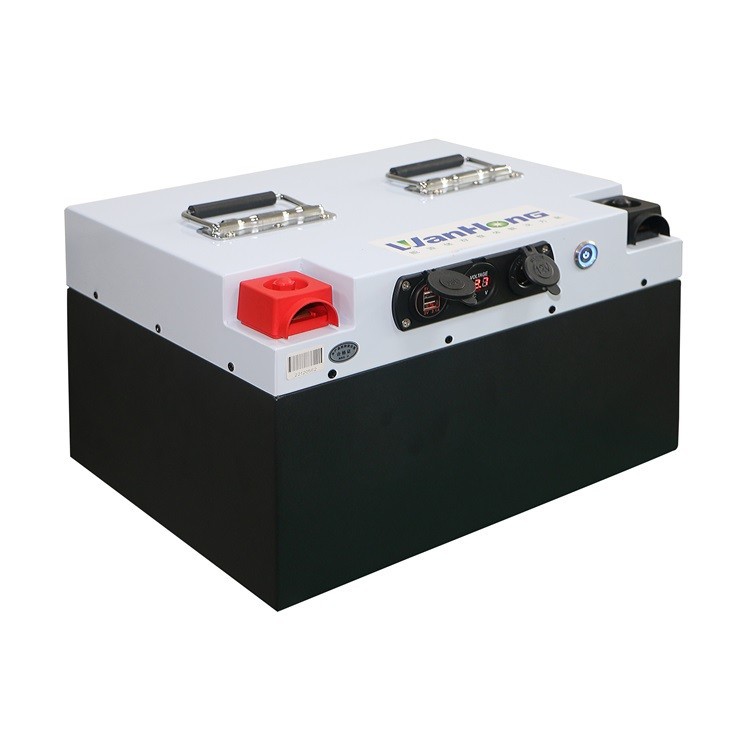
- Lower Current: For the same power output, a 24V system requires half the current compared to a 12V system. This results in less voltage drop in the wiring, making it more efficient for long - distance power transmission.
- Higher Power Capacity: 24V batteries can store more energy compared to 12V batteries of the same physical size. This makes them suitable for cabins with higher power requirements.
However, 24V systems also have some drawbacks. They are generally more expensive, and the components (such as chargers and inverters) are also more costly. Additionally, working with 24V systems requires more electrical knowledge and safety precautions.
Tips for Using a 12V RV Battery in an Off - Grid Cabin
- Proper Sizing: Make sure to size the battery according to the power requirements of the cabin. Consider factors like peak power demand and daily energy consumption.
- Battery Maintenance: Regularly check the battery's state of charge, electrolyte levels (for flooded lead - acid batteries), and terminal connections. Keep the battery clean and dry to prevent corrosion.
- Use of Inverters: If you need to power AC appliances, use a high - quality inverter to convert the DC power from the battery to AC power. Make sure the inverter is properly sized for the load.
Conclusion
In conclusion, a 12V RV battery can be a viable option for powering an off - grid cabin, especially for cabins with low to moderate power requirements. It offers cost - effectiveness, ease of installation, and compatibility with many off - grid appliances. However, it's important to carefully assess the power needs, choose the right charging options, and take proper care of the battery to ensure its long - term performance.
If you're considering using a 12V RV battery for your off - grid cabin or have any questions about our products, feel free to reach out to us for further information and to discuss your specific requirements. We're here to help you make the best choice for your off - grid power needs.
References
- Battery University: A comprehensive resource for battery knowledge and technology.
- RV and Off - Grid Living Magazines: Provide practical tips and real - life experiences related to off - grid power systems.