

Can a 24V RV battery be used to power a toaster? This is a question I often get asked as a supplier of 24V RV Battery. In this blog, I'll delve into the technical aspects, potential risks, and practical considerations to help you make an informed decision.
Understanding the Basics
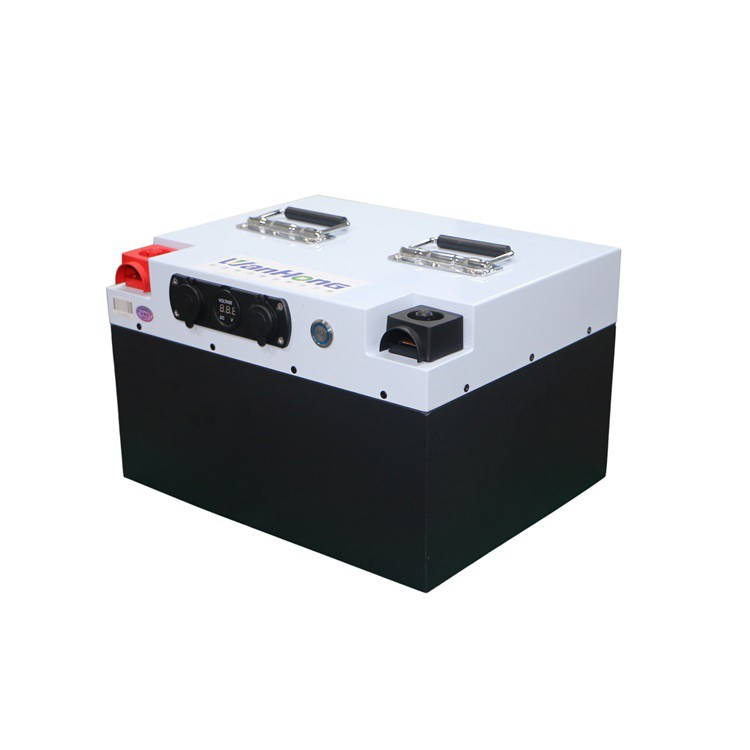
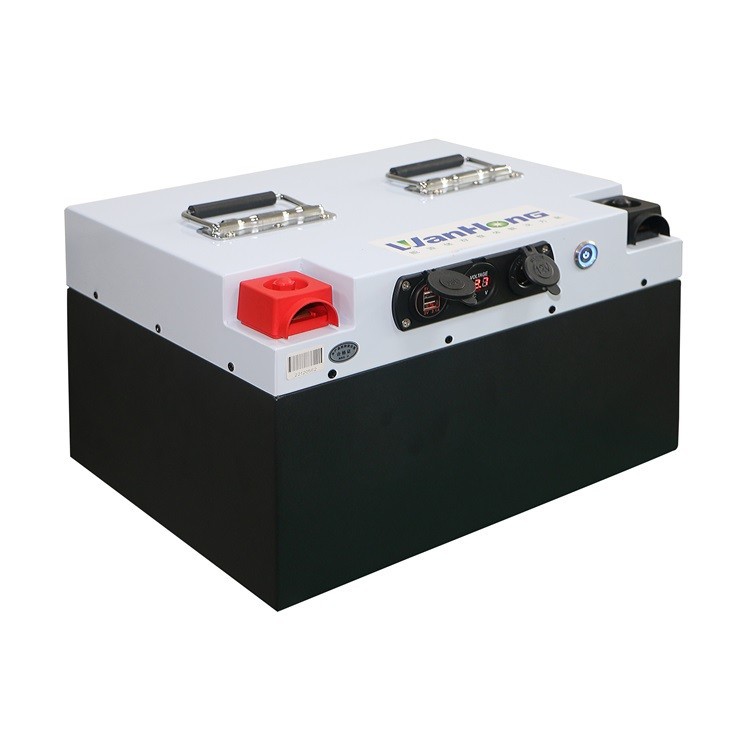
First, let's understand the key components involved. A 24V RV battery is designed to store electrical energy for use in recreational vehicles. These batteries are typically deep - cycle batteries, which means they can be discharged and recharged multiple times, making them suitable for long - term use in an RV setting.
On the other hand, a toaster is a common household appliance that uses electrical energy to heat up and toast bread. Most toasters are designed to operate on a standard household voltage, which in many countries is 120V or 230V AC. However, there are also small, portable toasters available that can operate on lower voltages, such as 12V DC.
Voltage Compatibility
The most obvious issue when considering using a 24V RV battery to power a toaster is the voltage mismatch. As mentioned earlier, a 24V battery provides direct current (DC), while most toasters are designed for alternating current (AC) and a different voltage level.
If you try to connect a standard 120V or 230V toaster directly to a 24V DC battery, it simply won't work. The toaster requires a much higher voltage to generate the heat needed to toast the bread. In fact, applying a voltage that is too low can cause the toaster to malfunction or not operate at all.
However, if you have a 12V DC toaster, the situation is a bit different. A 24V battery has twice the voltage of a 12V system. Connecting a 12V toaster directly to a 24V battery can be extremely dangerous. The excessive voltage can cause the toaster's heating elements to overheat, leading to a fire hazard or permanent damage to the toaster.
Using a Power Inverter
To use a 24V RV battery to power a toaster, you'll need to use a power inverter. A power inverter is a device that converts DC power from the battery into AC power at the appropriate voltage.
When choosing a power inverter, you need to consider its power rating. The power rating of the inverter should be higher than the power consumption of the toaster. For example, if your toaster has a power rating of 800 watts, you should choose an inverter with a power rating of at least 1000 watts to ensure safe and efficient operation.
It's also important to note that power inverters are not 100% efficient. There will be some power loss during the conversion process. This means that you'll need to draw more power from the battery than the toaster actually consumes.
Battery Capacity and Runtime
Another important consideration is the battery capacity and the runtime of the toaster. The capacity of a battery is measured in amp - hours (Ah). A higher Ah rating means the battery can store more energy.
Let's assume you have a 24V, 100Ah battery and a 800 - watt toaster. First, we need to convert the power of the toaster from watts to amps. Using the formula (P = VI) (where (P) is power in watts, (V) is voltage in volts, and (I) is current in amps), for a 24V system, the current drawn by the 800 - watt toaster is (I=\frac{P}{V}=\frac{800}{24}\approx33.3) amps.
The battery's capacity of 100Ah means that, in theory, it can supply a current of 1 amp for 100 hours. However, if we are drawing 33.3 amps, the runtime of the battery will be (\frac{100}{33.3}\approx3) hours. But remember, this is a very rough estimate, and factors such as the efficiency of the inverter and the depth of discharge of the battery can affect the actual runtime.
Safety Considerations
Safety should always be the top priority when using a 24V RV battery to power a toaster. Here are some safety tips:
- Proper Wiring: Make sure all connections are secure and the wiring is of the appropriate gauge. Loose connections can cause arcing, which can lead to a fire.
- Over - current Protection: Use a fuse or circuit breaker to protect the battery and the toaster from over - current situations.
- Ventilation: Power inverters and toasters generate heat. Make sure there is adequate ventilation to prevent overheating.
Alternatives
If using a 24V RV battery to power a toaster seems too complicated or risky, there are alternatives. One option is to use a 12V RV Battery with a 12V toaster. This eliminates the need for a power inverter and reduces the risk of voltage mismatch.
Another option is to use a generator. A generator can provide the necessary AC power at the correct voltage for your toaster. However, generators can be noisy and require fuel, so they may not be the most convenient option in all situations.
Conclusion
In conclusion, while it is possible to use a 24V RV battery to power a toaster, it requires careful consideration of voltage compatibility, the use of a power inverter, battery capacity, and safety. If you are not experienced in electrical systems, it's advisable to consult a professional.
As a supplier of 24V RV batteries, I'm here to help you with all your power needs. Whether you're looking for a reliable battery for your RV or need advice on powering appliances, feel free to reach out. We can discuss your specific requirements and find the best solution for you. Contact us to start a procurement discussion and let us help you find the perfect 24V RV battery for your needs.
References
- "RV Electrical Systems: A Comprehensive Guide" by an industry expert in RV technology.
- Manufacturer's manuals for 24V RV batteries and power inverters.
- Electrical engineering textbooks for basic electrical principles.