

As an RV battery supplier, I often get asked the question: "Can I charge an RV battery while driving?" The answer is yes, and in this blog post, I'll explain how it works, the different methods available, and some important considerations to keep in mind.
How Does Charging an RV Battery While Driving Work?
When your RV is in motion, the engine of your vehicle generates electricity. This electricity can be used to charge the RV batteries. The process is similar to how the battery in your car is charged while you drive. The alternator in your vehicle's engine converts mechanical energy from the engine's rotation into electrical energy. This electrical energy is then sent to the battery to charge it.
In an RV setup, there is usually a system in place to transfer the electricity from the vehicle's alternator to the RV batteries. This can be a simple direct connection or a more complex setup that involves a battery isolator or a charge controller.
Methods of Charging an RV Battery While Driving
Direct Connection
The simplest method of charging an RV battery while driving is a direct connection between the vehicle's battery and the RV battery. This can be done using a heavy - gauge wire. However, this method has some drawbacks. If the vehicle's battery and the RV battery have different voltages or states of charge, there could be an imbalance in the charging process. For example, if the RV battery is deeply discharged and the vehicle's battery is fully charged, there could be a large current flow that might damage the batteries or the electrical system.
Battery Isolator
A battery isolator is a device that allows the alternator to charge multiple batteries simultaneously while keeping them electrically isolated from each other. This means that the vehicle's battery and the RV battery can be charged independently, preventing any issues related to voltage differences. When the engine is running, the alternator sends power to both the vehicle's battery and the RV battery through the isolator. Once the engine is turned off, the isolator prevents the RV battery from discharging back into the vehicle's battery.
Charge Controller
A charge controller is a more advanced option. It not only manages the charging process but also ensures that the batteries are charged safely and efficiently. A charge controller can monitor the state of charge of the RV battery and adjust the charging current accordingly. For example, when the battery is deeply discharged, it can provide a higher charging current. As the battery approaches full charge, it reduces the current to prevent overcharging, which can damage the battery.
Considerations When Charging an RV Battery While Driving
Battery Type
Different types of RV batteries have different charging requirements. For example, lead - acid batteries (such as flooded lead - acid, AGM, and gel batteries) and lithium - ion batteries have different charging profiles. Lead - acid batteries typically require a multi - stage charging process, including bulk charging, absorption charging, and float charging. Lithium - ion batteries, on the other hand, require a more precise charging voltage and current to ensure their longevity. Make sure you are using the appropriate charging method for your battery type.
Voltage Compatibility
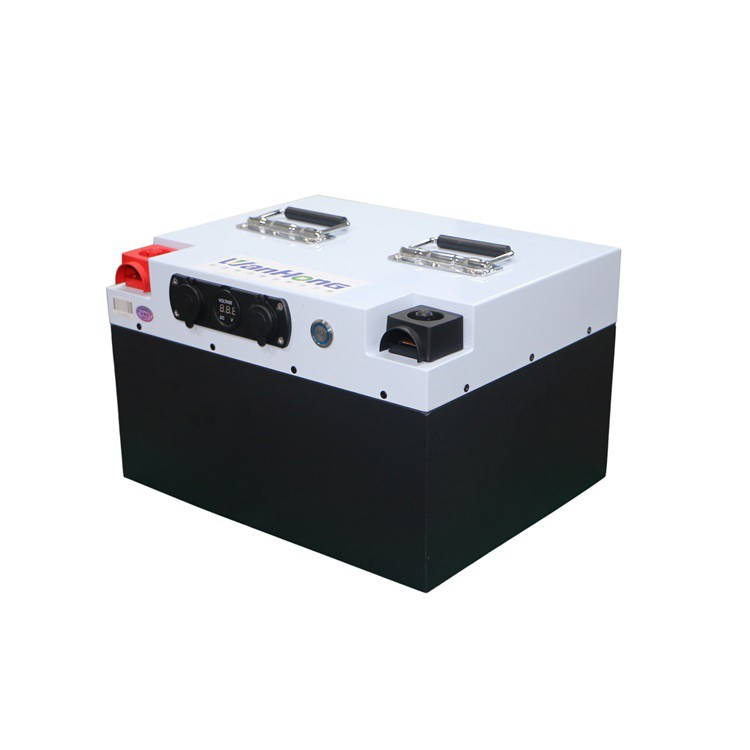
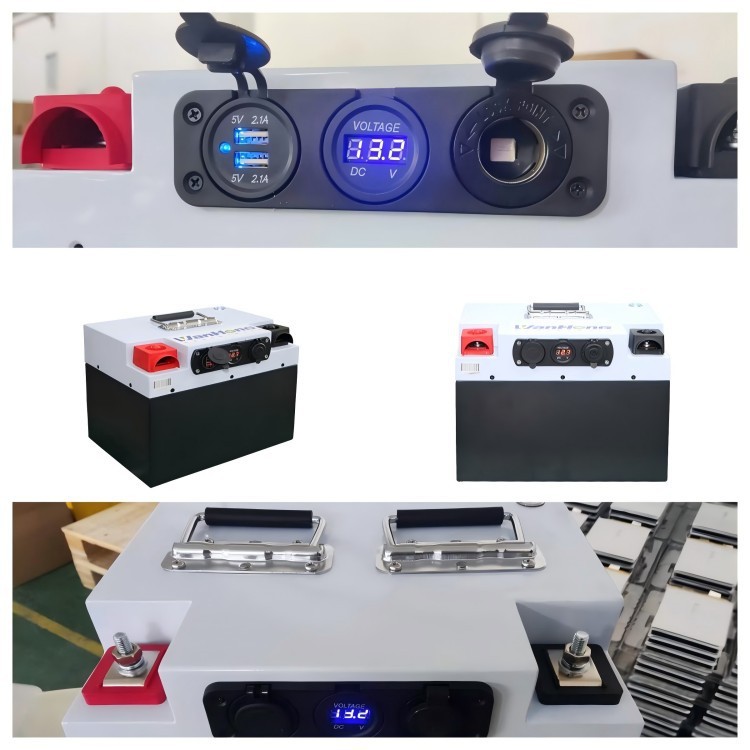
Ensure that the charging system is compatible with the voltage of your RV battery. Most RVs use either 12V RV Battery or 24V RV Battery. Using a charging system with the wrong voltage can damage the battery or the electrical components of your RV.
Charging Capacity
The alternator in your vehicle has a limited charging capacity. If you have a large number of RV batteries or high - capacity batteries, the alternator may not be able to fully charge them while driving. In such cases, you may need to consider additional charging sources, such as solar panels or a generator, to ensure that your batteries are fully charged.
Electrical System Safety
When setting up a charging system for your RV battery while driving, it's important to follow all electrical safety guidelines. Use proper wiring, fuses, and connectors to prevent short circuits and electrical fires. If you're not familiar with electrical systems, it's recommended to have a professional install the charging system.
Benefits of Charging an RV Battery While Driving
Convenience
Charging your RV battery while driving is incredibly convenient. You don't have to worry about finding a charging station or setting up a separate charging system when you stop at a campsite. The battery is being charged while you're on the move, so you can arrive at your destination with a fully or partially charged battery.
Extended Battery Life
Properly charging your RV battery while driving can help extend its life. By keeping the battery charged, you reduce the risk of deep discharging, which is one of the main causes of battery failure. A well - maintained battery will last longer and provide more reliable power for your RV.
Cost - Savings
Since you're using the vehicle's engine to generate electricity for charging, you can save on the cost of using external charging sources such as generators or campground electrical hookups. This can add up to significant savings over time, especially if you're a frequent RV traveler.
Conclusion
In conclusion, charging an RV battery while driving is not only possible but also a practical and beneficial option for RV owners. Whether you choose a simple direct connection, a battery isolator, or a charge controller, make sure to consider the battery type, voltage compatibility, charging capacity, and electrical safety. By doing so, you can ensure that your RV battery is charged efficiently and safely while you're on the road.
If you're in the market for a new RV battery or need advice on the best charging system for your setup, I encourage you to [contact us for a purchase negotiation]. Our team of experts is ready to assist you in finding the right battery and charging solution for your RV.
References
- "RV Battery Handbook" - A comprehensive guide on RV batteries and charging systems.
- "Electrical Systems for Recreational Vehicles" - A technical resource on RV electrical systems and battery charging.