

Hey there, fellow forklift owners! I'm an 80V forklift battery supplier, and I often get asked, "Can I upgrade my forklift to use an 80V battery?" Well, let's dig into this topic and find out if it's a good idea for you.
Understanding Forklift Battery Voltages
First off, you gotta know about the common forklift battery voltages out there. You've probably heard of 24V Forklift Battery and 48V Forklift Battery. These are pretty standard in a lot of forklifts. The 24V ones are usually used in smaller, less powerful forklifts, like those in small warehouses or for light-duty tasks. They're great for short shifts and don't require a ton of power.
On the other hand, 48V batteries are more common in medium-sized forklifts. They can handle a bit more work and are suitable for longer shifts. They offer a good balance between power and cost.
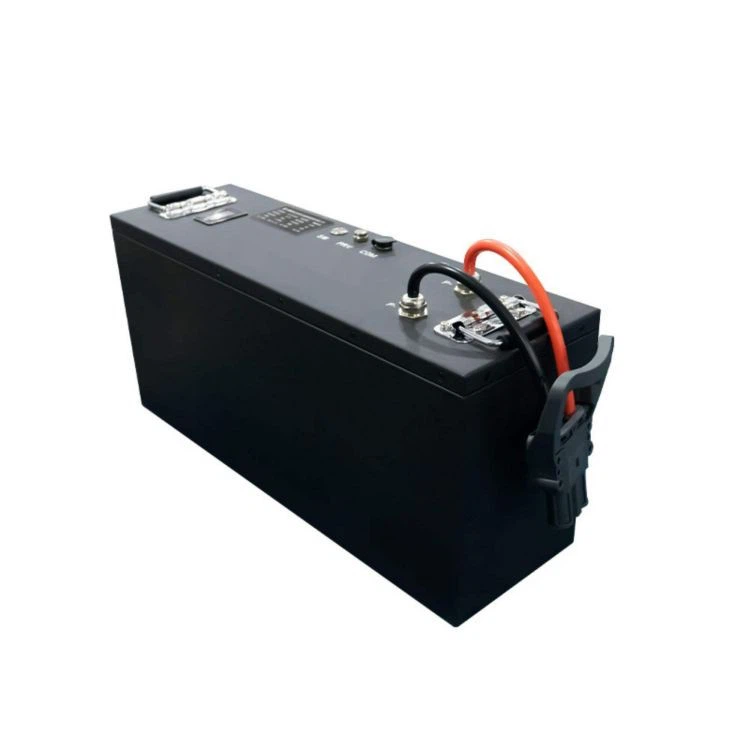
Now, let's talk about 80V Forklift Battery. These are the heavy hitters. They pack a lot more power, which means they can handle bigger forklifts and more demanding tasks. They're often used in large distribution centers or industrial settings where the forklifts are running for long hours and need to lift heavy loads.
Can You Actually Upgrade?
So, can you upgrade your forklift to use an 80V battery? The short answer is: it depends. There are a few things you need to consider before making the jump.
Compatibility
The first and most important thing is compatibility. Your forklift has to be able to handle an 80V battery. The electrical system, including the charger, controller, and motor, needs to be designed to work with 80V. If your forklift was originally designed for a 24V or 48V battery, it might not be compatible without some major modifications.
For example, the charger is designed to match the voltage of the battery. If you try to use an 80V battery with a 48V charger, it won't work properly. You'll either end up with an undercharged battery or, even worse, damage to the charger or the battery.
The controller is another crucial component. It regulates the power flow from the battery to the motor. If it's not designed for 80V, it might not be able to handle the higher voltage, which could lead to overheating or other issues.
Physical Space
Another thing to consider is the physical space. 80V batteries are usually bigger and heavier than 24V or 48V batteries. You need to make sure your forklift has enough space to accommodate the larger battery. If not, you might run into problems with installation or even affect the balance and stability of the forklift.
Cost
Upgrading to an 80V battery can be expensive. Not only do you have to buy the new battery, but you might also need to invest in a new charger and make modifications to the electrical system. You need to weigh the cost against the benefits. If your forklift is only used for light-duty tasks and short shifts, the extra cost of upgrading might not be worth it.
Benefits of Upgrading to an 80V Battery
If your forklift is compatible and you decide to upgrade, there are some great benefits to using an 80V battery.
More Power
The biggest advantage is the increased power. An 80V battery can provide more energy, which means your forklift can lift heavier loads and operate more efficiently. This is especially useful in industrial settings where you need to move large amounts of heavy materials.
Longer Run Times
With more power comes longer run times. An 80V battery can last longer between charges, which means less downtime for charging and more productivity. This is a huge plus if your forklift is used for long shifts or if you have a high-volume operation.
Faster Charging
Some 80V batteries are designed to charge faster than lower-voltage batteries. This means you can get your forklift back in action quicker, reducing the impact on your workflow.

Making the Decision
So, how do you decide if upgrading to an 80V battery is right for you? Here are some steps you can take:
Consult with a Professional
The first thing you should do is talk to a professional. A forklift technician or an electrical engineer can assess your forklift and tell you if it's compatible with an 80V battery. They can also give you an estimate of the cost of the upgrade and any modifications that might be required.
Evaluate Your Needs
Think about your forklift's usage. How often is it used? What kind of tasks does it perform? If you have a heavy-duty operation with long shifts and large loads, upgrading to an 80V battery might be a good investment. On the other hand, if your forklift is used for light-duty tasks and short shifts, you might not need the extra power.
Consider the Cost
As I mentioned earlier, upgrading can be expensive. Make sure you have a clear understanding of the costs involved, including the cost of the battery, charger, and any modifications. Compare the cost to the potential benefits, such as increased productivity and longer run times.
Contact Us for More Information
If you're still not sure if upgrading to an 80V battery is right for you, or if you have any questions about our 80V Forklift Battery, don't hesitate to reach out. We're here to help you make the best decision for your business. Whether you need more information about compatibility, cost, or the benefits of upgrading, we've got you covered. Let's have a chat and see if an 80V battery is the solution you've been looking for.
References
- Forklift Battery Basics: Understanding Voltage and Capacity. Forklift World Magazine.
- Upgrading Your Forklift's Electrical System. Industrial Equipment Journal.
- The Benefits of High-Voltage Forklift Batteries. Warehouse Management Review.