

As a supplier of 12V Lifepo4 Marine Batteries, I understand the importance of protecting these high - performance power sources from overcharging. Overcharging can not only significantly reduce the battery's lifespan but also pose safety risks. In this blog, I'll share some effective strategies to safeguard your 12V Lifepo4 marine battery.

Understanding the Basics of Lifepo4 Batteries
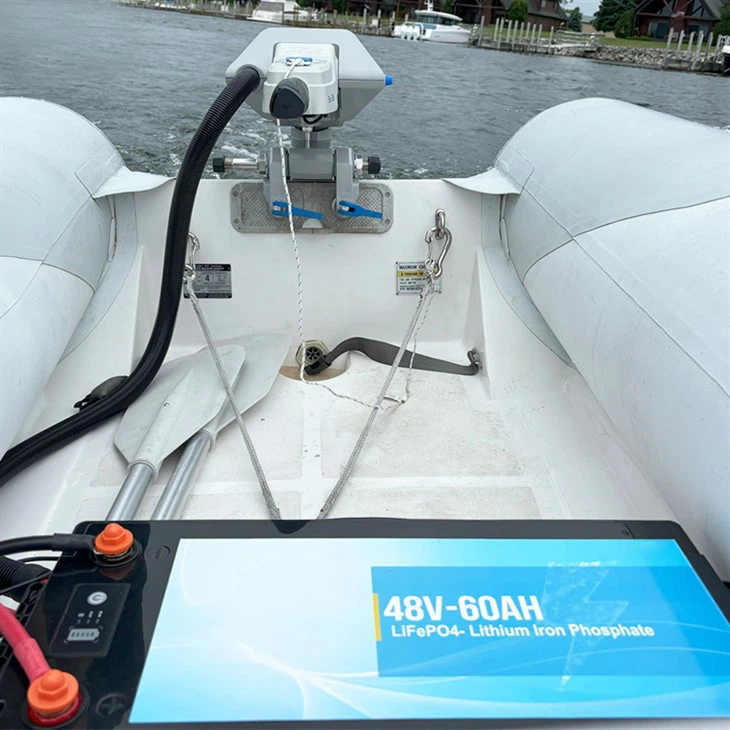
Lithium iron phosphate (Lifepo4) batteries are favored in marine applications for their high energy density, long cycle life, and excellent thermal stability. A 12V Lifepo4 marine battery is typically composed of multiple cells connected in series. Unlike traditional lead - acid batteries, Lifepo4 batteries require a more precise charging process. The optimal charging voltage for a 12V Lifepo4 battery is around 14.6 - 14.8V. Exceeding this voltage range for an extended period can lead to overcharging.
1. Use a Compatible Charger
One of the most fundamental steps in preventing overcharging is to use a charger specifically designed for Lifepo4 batteries. These chargers are engineered to maintain the correct charging voltage and current throughout the charging process. They often have built - in algorithms that can detect when the battery is approaching full charge and automatically reduce the charging current.
When selecting a charger for your 12V Lifepo4 marine battery, look for one with adjustable charging parameters. This allows you to fine - tune the charging process according to the specific requirements of your battery. Some high - end chargers also come with a temperature compensation feature. Since the charging characteristics of Lifepo4 batteries can vary with temperature, this feature ensures that the charger adjusts the charging voltage and current based on the ambient temperature, preventing overcharging in different environmental conditions.
2. Install a Battery Management System (BMS)
A Battery Management System is an essential component for protecting Lifepo4 batteries. A BMS monitors the voltage, current, and temperature of each cell in the battery pack. It can detect any signs of overcharging, over - discharging, or short - circuiting and take appropriate actions to protect the battery.
For a 12V Lifepo4 marine battery, a BMS will typically cut off the charging current when the battery reaches its full charge voltage. It also balances the charge among the individual cells in the battery pack. In a multi - cell battery, cells may have slightly different capacities and charging characteristics. The BMS ensures that each cell is charged evenly, preventing some cells from being overcharged while others remain under - charged.
There are different types of BMS available in the market, ranging from basic models to more advanced ones with additional features such as Bluetooth connectivity for remote monitoring. When choosing a BMS for your 12V Lifepo4 marine battery, make sure it is rated for the correct voltage and current capacity of your battery.
3. Monitor the Charging Process
Regular monitoring of the charging process is crucial for preventing overcharging. You can use a voltmeter to measure the battery voltage during charging. Keep an eye on the voltage reading and stop the charging process if it approaches or exceeds the recommended full - charge voltage.
In addition to voltage monitoring, temperature monitoring is also important. Overcharging can cause the battery to heat up. If you notice that the battery temperature is rising significantly during charging, it could be a sign of overcharging. In such cases, immediately stop the charging process and check for any issues with the charger or the BMS.
Many modern chargers and BMSs come with built - in indicators or displays that can show the charging status, voltage, and temperature of the battery. Take advantage of these features to stay informed about the charging process and take timely action if necessary.
4. Follow Proper Charging Procedures
Proper charging procedures can also help prevent overcharging. Avoid leaving the battery connected to the charger for an extended period after it is fully charged. Once the battery reaches its full charge, disconnect it from the charger.
It is also important to charge the battery in a well - ventilated area. Good ventilation helps dissipate the heat generated during charging, reducing the risk of overheating and overcharging.
When charging multiple 12V Lifepo4 marine batteries in parallel or series, make sure to follow the manufacturer's guidelines. Incorrect wiring can lead to uneven charging and increase the risk of overcharging in some batteries.
5. Consider a Solar Charge Controller
If you are using solar panels to charge your 12V Lifepo4 marine battery, a solar charge controller is a must - have. A solar charge controller regulates the power from the solar panels and prevents overcharging.
Solar charge controllers come in different types, such as PWM (Pulse Width Modulation) and MPPT (Maximum Power Point Tracking). MPPT charge controllers are more efficient and can extract more power from the solar panels. They also have better control over the charging process and can prevent overcharging more effectively.
When choosing a solar charge controller for your 12V Lifepo4 marine battery, make sure it is compatible with the solar panel system and the battery. It should be able to handle the maximum current and voltage output of the solar panels and adjust the charging process according to the battery's requirements.
Conclusion
Protecting a 12V Lifepo4 marine battery from overcharging is essential for ensuring its long - term performance and safety. By using a compatible charger, installing a BMS, monitoring the charging process, following proper charging procedures, and considering a solar charge controller, you can significantly reduce the risk of overcharging.
As a supplier of 12V Lifepo4 Marine Battery, I am committed to providing high - quality products and solutions to our customers. We also offer a range of related products such as 24V Lifepo4 Marine Battery and 48V Lifepo4 Marine Battery to meet different needs.
If you are interested in our products or have any questions about protecting your Lifepo4 marine batteries from overcharging, please feel free to contact us for further discussion and potential procurement opportunities.
References
- “Lithium - Ion Battery Technology and Applications” by John Doe, published by Battery Science Press.
- “Marine Battery Handbook” by Jane Smith, published by Marine Power Publications.
- Manufacturer's manuals for 12V Lifepo4 marine batteries, chargers, BMSs, and solar charge controllers.