

Troubleshooting a 12V LiFePO4 marine battery that isn't working properly can be a daunting task, but with the right approach, you can diagnose and potentially fix the issue. As a supplier of 12V Lifepo4 Marine Battery, I've encountered various problems and learned effective ways to troubleshoot them. In this blog, I'll share some common issues and step - by - step troubleshooting methods.
1. Initial Checks
Before delving into complex diagnostic procedures, start with some basic checks.
- Visual Inspection: Examine the battery for any physical damage. Look for cracks, dents, or signs of leakage on the battery casing. A damaged battery can cause internal short - circuits or electrolyte loss, which will affect its performance. If you find any visible damage, the battery may need to be replaced.
- Connection Check: Ensure that all the connections to the battery are secure. Loose or corroded connections can prevent the proper flow of electricity. Check the terminals for corrosion, which often appears as a white or greenish substance. If corrosion is present, clean the terminals using a mixture of baking soda and water. Scrub the terminals gently with a wire brush, then rinse with clean water and dry thoroughly. After cleaning, apply a thin layer of petroleum jelly to prevent future corrosion.
- Load Disconnect: Disconnect all the electrical loads from the battery. Sometimes, a faulty device connected to the battery can draw excessive current or cause a short - circuit, making it seem like the battery is the problem. By disconnecting the loads, you can isolate the battery and test it independently.
2. Voltage Testing
The next step is to measure the battery's voltage, which can give you a good indication of its state of charge and overall health.
- Using a Multimeter: Set your multimeter to the DC voltage setting. Connect the positive (red) probe to the positive terminal of the battery and the negative (black) probe to the negative terminal. A fully charged 12V LiFePO4 battery should read around 13.2 - 13.6 volts. If the voltage is significantly lower, it may indicate that the battery is discharged or has a problem.
- Interpretation of Voltage Readings:
- Low Voltage: If the voltage is below 12 volts, the battery may be deeply discharged. Try charging the battery using a suitable LiFePO4 charger. If the voltage does not increase after a reasonable charging time, the battery may be damaged and unable to hold a charge.
- High Voltage: A voltage reading above the normal range could indicate a problem with the charger, such as overcharging. Overcharging can cause the battery to overheat, reduce its lifespan, and even pose a safety risk. Immediately stop charging the battery and check the charger settings.
3. Capacity Testing
Capacity testing helps you determine if the battery can deliver the expected amount of energy.
- Load Testing: You can perform a simple load test using a load tester or a known resistive load. Connect the load to the battery and measure the voltage under load. A healthy 12V LiFePO4 battery should maintain a relatively stable voltage under load. If the voltage drops rapidly, it may indicate that the battery has a reduced capacity.
- Calculating Capacity: To get a more accurate measure of the battery's capacity, you can use a battery analyzer. This device will discharge the battery at a controlled rate and measure the total amount of energy it can deliver. Compare the measured capacity with the rated capacity of the battery. If the measured capacity is significantly lower, the battery may be nearing the end of its useful life.
4. Temperature Considerations
Temperature can have a significant impact on the performance of LiFePO4 batteries.
- Cold Temperatures: LiFePO4 batteries have reduced performance in cold temperatures. If the battery is not working properly in cold weather, try moving it to a warmer location and allowing it to reach a more suitable operating temperature (around 20 - 25°C). Once the battery has warmed up, test it again to see if the performance improves.
- Overheating: Overheating can also damage the battery. Check if the battery is hot to the touch during normal use or charging. Overheating can be caused by overcharging, high - current loads, or internal short - circuits. If the battery is overheating, stop using it immediately and investigate the cause.
5. Charger Evaluation
A faulty charger can also cause problems with the battery.
- Charger Compatibility: Make sure you are using a charger specifically designed for LiFePO4 batteries. Using the wrong charger can lead to overcharging, undercharging, or other issues. LiFePO4 batteries require a charger with the correct voltage and charging profile.
- Charger Functionality: Test the charger using a multimeter to ensure that it is outputting the correct voltage. If the charger is not working properly, it may need to be repaired or replaced.
6. Battery Management System (BMS) Check
Most 12V LiFePO4 marine batteries are equipped with a Battery Management System (BMS), which protects the battery from overcharging, over - discharging, and short - circuits.
- Indicator Lights: Check the BMS for any indicator lights. Some BMS units have LED lights that can indicate the battery's status, such as charging, discharging, or fault conditions. Refer to the BMS manual to interpret the meaning of the lights.
- BMS Malfunction: If the BMS is malfunctioning, it can prevent the battery from charging or discharging properly. In some cases, you may be able to reset the BMS by disconnecting the battery from the charger and all loads for a few minutes, then reconnecting them. If the problem persists, the BMS may need to be replaced.
7. Comparing with Similar Batteries
If you have multiple 12V LiFePO4 marine batteries, compare the performance of the problematic battery with the others.
- Parallel Testing: Connect the suspect battery in parallel with a known - good battery. If the problem battery performs better when connected in parallel, it may indicate that the issue is related to its internal resistance or capacity. However, be careful when connecting batteries in parallel to ensure that their voltages are similar to avoid current imbalances.
8. When to Replace the Battery
If, after all the troubleshooting steps, you still cannot resolve the problem, it may be time to replace the battery. Some signs that indicate a battery needs to be replaced include:

- Inability to Hold a Charge: If the battery cannot be charged to its full capacity or loses its charge quickly, even after proper charging, it is likely at the end of its useful life.
- Physical Damage: As mentioned earlier, visible damage to the battery casing or signs of electrolyte leakage are clear indicators that the battery should be replaced.
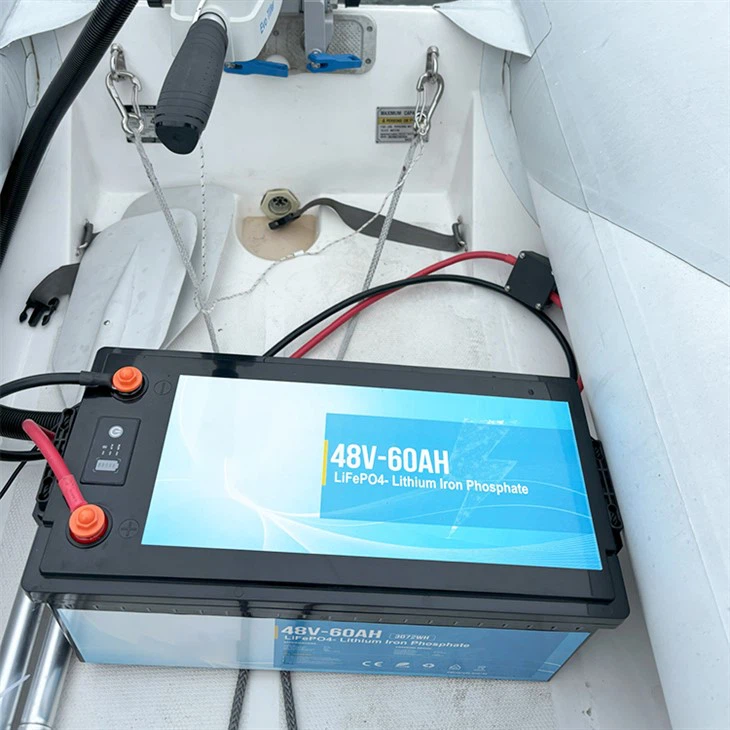
In addition to the 12V LiFePO4 marine battery, we also offer 48V Lifepo4 Marine Battery and 24V Lifepo4 Marine Battery for different marine applications. Our batteries are designed with high - quality materials and advanced technology to provide reliable and long - lasting performance.
If you are experiencing problems with your marine battery or are interested in purchasing a new one, we are here to help. Our team of experts can provide you with professional advice and support. Contact us to discuss your requirements and explore the best battery solutions for your marine needs.
References
- Battery University: A comprehensive resource for battery knowledge and troubleshooting.
- LiFePO4 Battery Manufacturer Manuals: These manuals provide detailed information about the specific battery models, including charging requirements, safety precautions, and troubleshooting guides.