

Hey there, marine battery enthusiasts! As a supplier of 24V Lifepo4 Marine Battery, I've seen my fair share of batteries that just don't seem to hold a charge. It can be super frustrating, especially when you're out on the water and relying on that power. But don't worry, I'm here to walk you through some troubleshooting steps to get your battery back in top shape.
Check the Basics First
Before you start digging into the more complex stuff, it's always a good idea to check the basics. First off, make sure your battery charger is working correctly. Plug it into a known - good power source and see if it lights up or shows any signs of activity. If it doesn't, you might have a charger problem.
Next, take a look at the connections between the battery and the charger. Loose, corroded, or dirty connections can prevent the battery from charging properly. You can use a wire brush to clean off any corrosion on the terminals and make sure the cables are tightly attached. A simple visual inspection can sometimes solve the whole problem.
Test the Voltage
Once you've checked the charger and connections, it's time to test the battery's voltage. You can use a multimeter for this. Set it to the DC voltage setting and connect the probes to the battery terminals (red to the positive terminal and black to the negative).
A fully - charged 24V LiFePO4 marine battery should read around 25.6 - 26.4 volts. If your reading is significantly lower, say below 24 volts, it might indicate that the battery isn't holding a charge. But if the voltage drops rapidly when you put a load on the battery (like turning on a small marine device), that's also a bad sign.
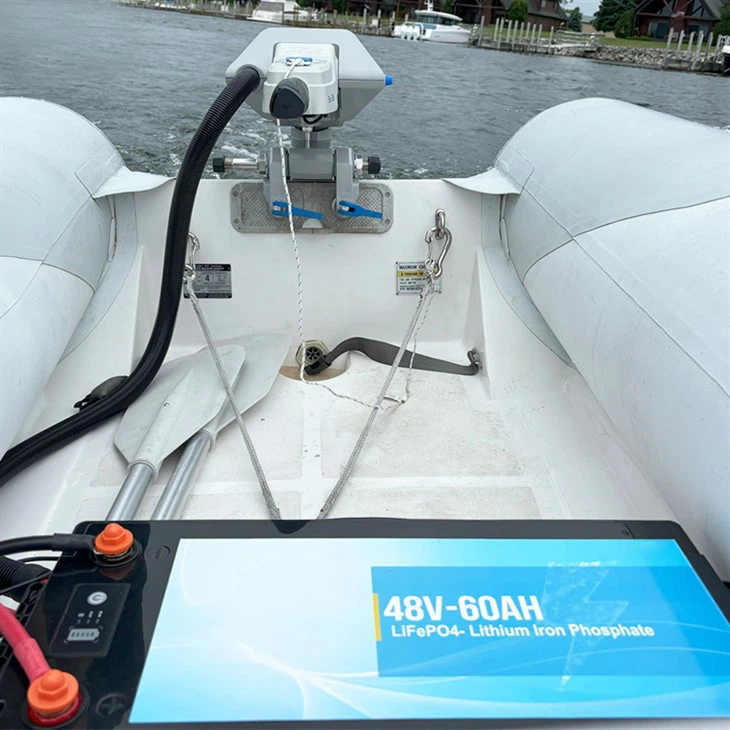
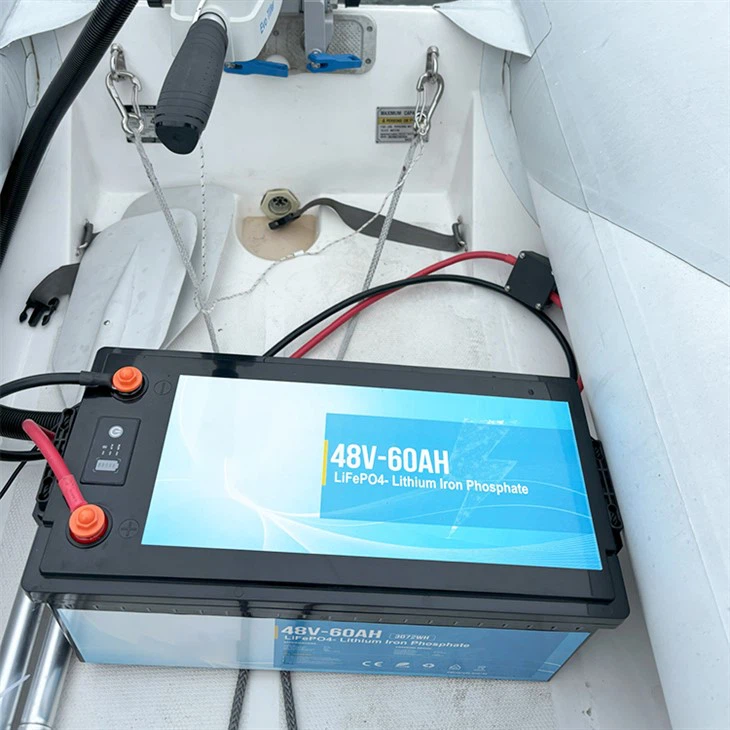
Look for Physical Damage
Inspect the battery for any physical damage. Cracks, dents, or leaks can all be signs of a problem. If the battery casing is cracked, it could allow moisture or other contaminants to get inside, which can mess up the internal components. And a leaking battery is definitely a big no - no. If you notice any of these issues, it's likely time to replace the battery.
Check the Battery Management System (BMS)
The BMS is like the brain of your LiFePO4 battery. It helps to protect the battery from overcharging, over - discharging, and short - circuits. Sometimes, the BMS can malfunction and cause the battery not to hold a charge.
Most BMSs have some kind of indicator light. If it shows an error code or is blinking in an unusual pattern, that could be a sign of trouble. You might need to refer to the manufacturer's manual to figure out what the specific error means. In some cases, you can try resetting the BMS by disconnecting the battery from the charger and any loads for a few minutes and then reconnecting it.
Consider the Age of the Battery
LiFePO4 batteries generally have a long lifespan, but they don't last forever. If your battery is several years old, it might just be reaching the end of its useful life. Over time, the battery's capacity will gradually decrease, and it will become less able to hold a charge.
On average, a well - maintained 24V LiFePO4 marine battery can last anywhere from 5 to 10 years. If your battery is approaching or has passed this age range, it might be worth considering a replacement.
Temperature Matters
Temperature can have a big impact on the performance of LiFePO4 batteries. These batteries work best in a temperature range of around 20 - 40°C (68 - 104°F). If it's too cold, the battery's chemical reactions slow down, and it might not charge properly. On the other hand, if it's too hot, it can cause the battery to degrade faster.
If you're charging the battery in extreme temperatures, try moving it to a more moderate environment and see if that makes a difference. You might also want to invest in a battery temperature regulator if you often operate in harsh temperature conditions.
Compare with Other Batteries
If you have other similar batteries on your boat, like a 12V Lifepo4 Marine Battery or a 48V Lifepo4 Marine Battery, you can compare their performance. If the other batteries are working fine and only the 24V battery is having issues, it's more likely that the problem lies with that specific battery.
Seek Professional Help
If you've gone through all these steps and still can't figure out why your battery isn't holding a charge, it might be time to seek professional help. There are some issues that are best left to the experts, especially if you're not comfortable working with electrical systems.
You can contact a marine battery technician or the manufacturer's customer support. They'll have the tools and knowledge to diagnose and fix the problem.
Conclusion and Call to Action
Troubleshooting a 24V LiFePO4 marine battery that's not holding a charge can be a bit of a headache, but by following these steps, you can often identify and solve the problem. And if you find that you need a new battery, we're here to help.
As a supplier of high - quality 24V Lifepo4 Marine Battery, we offer reliable products that can keep your boat running smoothly. Whether you're a professional sailor or just enjoy a casual day on the water, having a dependable battery is crucial.
If you're interested in purchasing a new battery or have any questions, don't hesitate to reach out. We're always happy to discuss your needs and help you find the right solution for your marine power needs.
References
- "LiFePO4 Battery Handbook." Battery University.
- Manufacturer's manuals for 24V, 12V, and 48V LiFePO4 marine batteries.