

As a supplier of forklift batteries, I often encounter customers facing issues with their forklift batteries not charging. This can be a frustrating problem, but with the right troubleshooting steps, it can usually be resolved. In this blog post, I'll share some common reasons why a forklift battery might not charge and how to address them.
1. Check the Power Source
The first step in troubleshooting a forklift battery that won't charge is to examine the power source. A faulty power supply can prevent the battery from receiving the necessary electricity to charge.
- Inspect the Outlet: Make sure the outlet you're using to plug in the charger is working. You can test the outlet by plugging in another device, such as a lamp. If the device doesn't work, there may be an issue with the outlet itself. Check the circuit breaker or fuse box to see if a breaker has tripped or a fuse has blown. Reset the breaker or replace the fuse if necessary.
- Verify the Charger Connection: Ensure that the charger is properly connected to both the power outlet and the forklift battery. Sometimes, a loose connection can disrupt the charging process. Check the plugs and cables for any signs of damage, such as fraying or exposed wires. If you find any damage, replace the charger or the cable immediately.
2. Examine the Charger
The charger plays a crucial role in the charging process, and a malfunctioning charger can cause problems.
- Check the Charger Indicator Lights: Most chargers have indicator lights that show the charging status. If the lights are not working or are indicating an error, it could be a sign of a charger issue. Refer to the charger's manual to understand what the different light signals mean. Some chargers may have a built - in diagnostic feature that can help you identify the problem.
- Test the Charger Output: You can use a multimeter to measure the output voltage of the charger. Set the multimeter to the appropriate voltage range and connect the probes to the charger's output terminals. Compare the measured voltage with the charger's rated output voltage. If the output voltage is significantly lower or higher than the rated value, the charger may be faulty and need to be repaired or replaced.
3. Inspect the Battery
The battery itself could be the root cause of the charging problem.

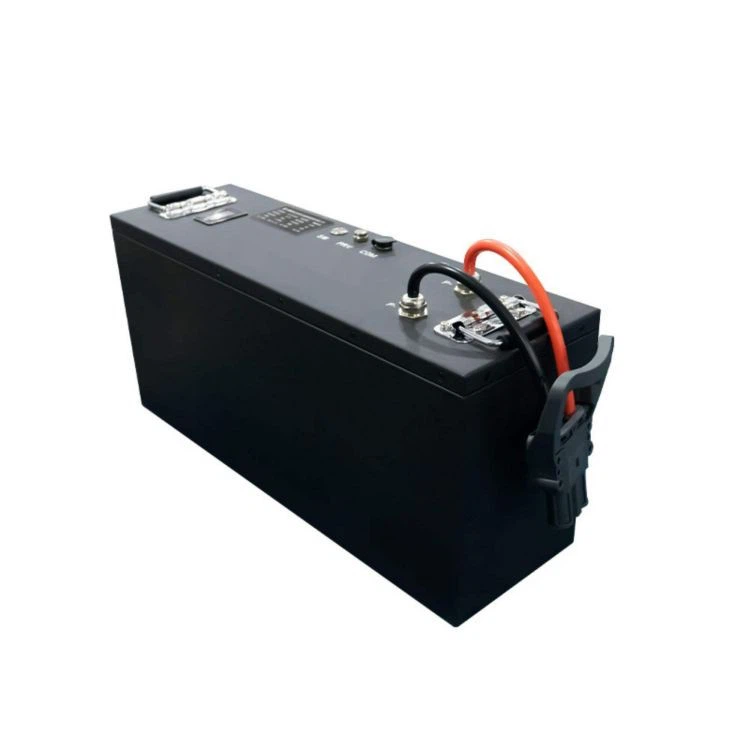
- Check the Battery Terminals: Corroded or loose battery terminals can prevent the charger from delivering power to the battery. Inspect the terminals for signs of corrosion, which often appears as a white or greenish powder. If you find corrosion, clean the terminals using a mixture of baking soda and water. Scrub the terminals gently with a wire brush to remove the corrosion, then rinse with clean water and dry thoroughly. Make sure the terminals are tightened securely to ensure a good electrical connection.
- Measure the Battery Voltage: Use a battery hydrometer or a digital voltmeter to check the battery's voltage. A fully charged forklift battery typically has a voltage of around 2.1 volts per cell. For example, a 24 - volt battery (which usually consists of 12 cells) should have a voltage of approximately 25.2 volts when fully charged. If the measured voltage is significantly lower than the expected value, the battery may be discharged, damaged, or have a faulty cell.
- Look for Physical Damage: Inspect the battery case for any signs of cracks, leaks, or bulges. Physical damage to the battery can cause internal short - circuits or other problems that prevent charging. If you find any damage, the battery should be replaced immediately to avoid safety hazards.
4. Consider the Battery Age and Usage
The age and usage of the battery can also affect its charging ability.
- Battery Age: Forklift batteries have a limited lifespan, typically ranging from 3 to 5 years depending on usage and maintenance. As the battery ages, its capacity to hold a charge decreases, and it may become more difficult to charge. If your battery is approaching or has exceeded its expected lifespan, it may be time to replace it.
- Over - Discharging: Repeatedly discharging the battery below its recommended level can cause irreversible damage to the battery cells. This is known as over - discharging. To prevent over - discharging, make sure to charge the battery before it reaches a critically low level. Most forklift batteries should be charged when they reach about 20 - 30% of their capacity.
5. Evaluate the Charging Settings
Incorrect charging settings can lead to charging problems.
- Match the Charger to the Battery: Make sure you are using the correct charger for your forklift battery. Different batteries, such as 24V Forklift Battery, 36V Forklift Battery, and 48V Forklift Battery, require chargers with different voltage and current ratings. Using an incompatible charger can damage the battery or prevent it from charging properly.
- Adjust the Charging Time: Some chargers allow you to adjust the charging time. If the battery is not charging fully, you may need to increase the charging time. However, be careful not to over - charge the battery, as this can also cause damage. Refer to the battery manufacturer's recommendations for the proper charging time.
6. Seek Professional Help
If you've gone through all the troubleshooting steps and still can't solve the problem, it's time to seek professional help.
- Contact the Manufacturer: Reach out to the battery or charger manufacturer's customer support. They can provide you with more specific troubleshooting advice based on the make and model of your equipment. They may also be able to offer repair or replacement options.
- Hire a Technician: A professional forklift battery technician has the expertise and tools to diagnose and fix complex charging problems. They can perform in - depth tests on the battery and charger to identify the root cause of the issue and recommend the appropriate solution.
In conclusion, troubleshooting a forklift battery that won't charge requires a systematic approach. By checking the power source, charger, battery, and charging settings, you can often identify and resolve the problem. However, if you're unsure or the problem persists, don't hesitate to seek professional assistance.
If you're in the market for a new forklift battery or need further advice on battery maintenance, we're here to help. As a leading supplier of forklift batteries, we offer a wide range of high - quality products, including 24V Forklift Battery, 36V Forklift Battery, and 48V Forklift Battery. Contact us to discuss your specific requirements and let us help you find the perfect battery solution for your forklift.
References
- Forklift Battery Maintenance Manuals
- Charger Manufacturer's Technical Documentation