

Hey there, fellow RV enthusiasts! I'm a supplier of RV batteries, and I'm super excited to dive into the world of gel RV batteries with you today. If you're like me, you know that having a reliable battery is crucial for a smooth and enjoyable RV adventure. So, let's get started and find out how these gel RV batteries actually work.
What's a Gel RV Battery Anyway?
First things first, what is a gel RV battery? Well, it's a type of lead - acid battery. But unlike the traditional flooded lead - acid batteries you might be familiar with, gel batteries have a unique electrolyte. Instead of a liquid electrolyte sloshing around inside, the electrolyte in a gel battery is in a semi - solid, gel - like state. This gel is made by adding silica to the sulfuric acid electrolyte, which thickens it up.
The Basic Structure of a Gel RV Battery
A gel RV battery is made up of several key components. There are the positive and negative plates, which are usually made of lead or lead alloys. These plates are where the chemical reactions take place that produce electricity. The plates are separated by a separator, which prevents them from touching each other and causing a short - circuit.
The gel electrolyte fills the space between the plates and the separator. It not only conducts the electrical charge between the plates but also helps to keep the plates in place and protect them from damage. The battery also has a case, usually made of plastic, which holds all these components together and keeps the electrolyte contained.
How Does It Generate Electricity?
Now, let's get into the nitty - gritty of how a gel RV battery generates electricity. It all comes down to a chemical reaction called an oxidation - reduction reaction, or redox reaction for short.
When the battery is being charged, an external power source, like a charger or a solar panel, forces electrons to flow into the negative plate. At the same time, a chemical reaction occurs at the positive plate. The lead dioxide on the positive plate reacts with the sulfuric acid in the gel electrolyte. This reaction causes the lead dioxide to gain electrons and turn into lead sulfate.
On the negative plate, the lead reacts with the sulfuric acid and loses electrons, also forming lead sulfate. During this charging process, the battery is storing energy in the form of chemical energy.
When you connect a load, like your RV's lights or appliances, to the battery, the reverse reaction happens. The lead sulfate on the negative plate releases electrons, which flow through the external circuit to power your devices. At the same time, the lead sulfate on the positive plate gains electrons and turns back into lead dioxide. The sulfuric acid in the gel electrolyte is also regenerated during this discharge process.
Advantages of Gel RV Batteries
One of the biggest advantages of gel RV batteries is their maintenance - free nature. Since the electrolyte is in a gel form, there's no need to check the water levels like you do with flooded lead - acid batteries. This makes them really convenient, especially if you're on the go and don't have a lot of time to mess around with battery maintenance.
Gel batteries are also more resistant to vibration and shock. The gel electrolyte helps to hold the plates in place, so they're less likely to get damaged when your RV is bouncing around on bumpy roads. This means a longer lifespan for your battery.
Another great thing about gel batteries is that they can be mounted in different positions. You don't have to worry about them leaking or spilling, as long as the case isn't damaged. This gives you more flexibility when it comes to installing the battery in your RV.

Disadvantages of Gel RV Batteries
Of course, no battery is perfect, and gel RV batteries have their drawbacks too. One of the main disadvantages is their cost. Gel batteries are generally more expensive than flooded lead - acid batteries. This is because of the more complex manufacturing process and the use of the gel electrolyte.
They also have a slower charging rate compared to some other types of batteries. You need to use a charger that's specifically designed for gel batteries and follow the manufacturer's charging instructions carefully. If you overcharge a gel battery, it can cause permanent damage to the battery and reduce its lifespan.
Our Product Range
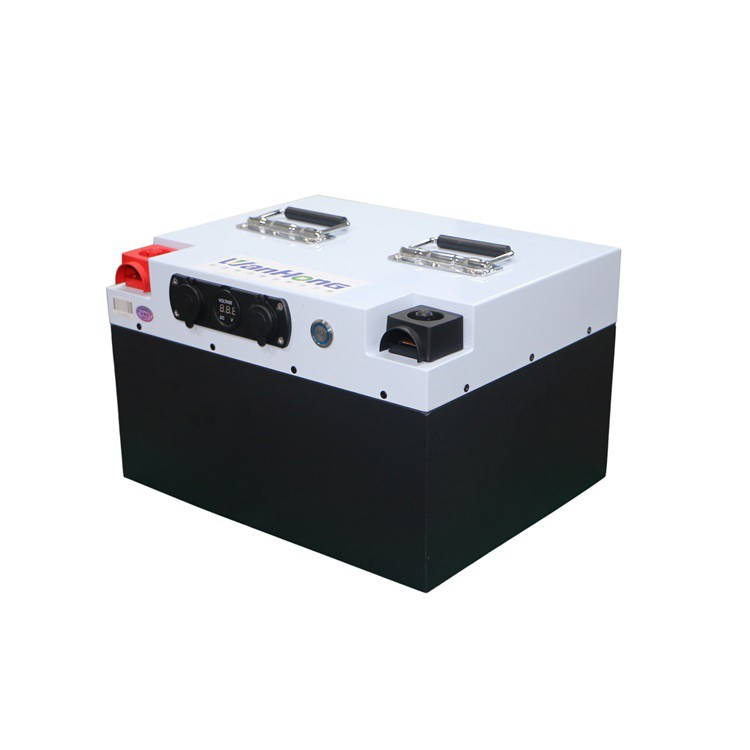
As an RV battery supplier, we offer a wide range of gel RV batteries to suit different needs. We have 24V RV Battery for those who need a higher voltage to power more demanding appliances in their RV. These 24V batteries are great for larger RVs with multiple electrical systems.
If you have a smaller RV or just need a basic power source, our 12V RV Battery might be the perfect choice for you. They're reliable and can handle the everyday electrical needs of your RV, like running the lights, fridge, and radio.
Why Choose Our Gel RV Batteries?
We take pride in offering high - quality gel RV batteries. Our batteries are built to last, with a long cycle life and excellent performance. We use the latest technology and the best materials to ensure that our batteries can withstand the rigors of RV travel.
Our team of experts is always on hand to provide you with advice and support. Whether you're not sure which battery is right for your RV or you need help with installation and maintenance, we're here to assist you.
Contact Us for Purchase
If you're interested in purchasing gel RV batteries for your next adventure, don't hesitate to get in touch with us. We're eager to have a chat about your specific requirements and find the perfect battery solution for you. Whether you need one battery or a whole set, we've got you covered. Reach out to us, and let's start this journey together to power up your RV!
References
- Linden, D., & Reddy, T. B. (2002). Handbook of Batteries. McGraw - Hill.
- Berndt, D. (2011). Lead - Acid Batteries: Science and Technology. Springer.