

Hey there, fellow RV enthusiasts! As an RV battery supplier, I get a ton of questions about how different components work to keep your RV running smoothly. One crucial thing that often flies under the radar is the overcharge protection device for RV batteries. In this blog, I'm gonna break down how these devices work and why they're so important for your RV battery.
Why Overcharge Protection is a Big Deal
First off, let's talk about why you even need an overcharge protection device. RV batteries, whether they're 12V RV Battery or 24V RV Battery, are pretty sensitive. When you overcharge them, a whole bunch of bad stuff can happen. For starters, the battery can overheat, which can damage the internal components. Over time, this can lead to a shorter lifespan for your battery. Plus, overcharging can cause the battery to release hydrogen gas, which is not only flammable but can also be harmful if inhaled.
How Overcharge Protection Devices Work
So, how do these overcharge protection devices actually work? Well, they're like little guardians for your RV battery. Most of these devices use a combination of sensors and circuits to monitor the battery's voltage. When the battery reaches a certain voltage level, the overcharge protection device kicks in.
Let's say you have a 12V RV battery. The ideal charging voltage for a 12V lead - acid battery is around 14.4 - 14.8 volts. Once the battery's voltage gets close to this upper limit, the overcharge protection device will start to reduce or cut off the charging current.
There are a few different types of overcharge protection devices. One common type is a charge controller. Charge controllers are often used in solar power systems for RVs. They sit between the solar panels and the battery. The charge controller constantly monitors the battery voltage. If the voltage gets too high, it will adjust the amount of power coming from the solar panels to the battery.
Another type is a battery management system (BMS). A BMS is a more advanced overcharge protection device. It not only monitors the voltage but also keeps an eye on other factors like temperature and the state of charge of the battery. If the BMS detects that the battery is being overcharged, it can take various actions. It might reduce the charging current, or in some cases, completely disconnect the battery from the charging source.
Components of an Overcharge Protection Device
Now, let's take a closer look at the components that make up an overcharge protection device.
Sensors
Sensors are the eyes and ears of the overcharge protection device. They're responsible for measuring the battery's voltage, temperature, and sometimes other parameters. For example, a voltage sensor will continuously measure the voltage across the battery terminals. If the voltage exceeds a pre - set threshold, it sends a signal to the control circuit.
Control Circuit
The control circuit is like the brain of the overcharge protection device. It receives the signals from the sensors and decides what action to take. If the battery voltage is too high, the control circuit will send a signal to the power switch or regulator to reduce or cut off the charging current.
Power Switch or Regulator
The power switch or regulator is the muscle of the overcharge protection device. It's responsible for actually controlling the flow of current to the battery. When the control circuit sends a signal, the power switch or regulator will either reduce the amount of current flowing to the battery or completely stop the charging process.
Benefits of Using an Overcharge Protection Device
Using an overcharge protection device for your RV battery has several benefits.
Extended Battery Life
By preventing overcharging, the device helps to extend the lifespan of your RV battery. This means you won't have to replace your battery as often, which can save you a lot of money in the long run.
Safety
Overcharging can be dangerous, as I mentioned earlier. An overcharge protection device reduces the risk of overheating and the release of hydrogen gas, making your RV a safer place.
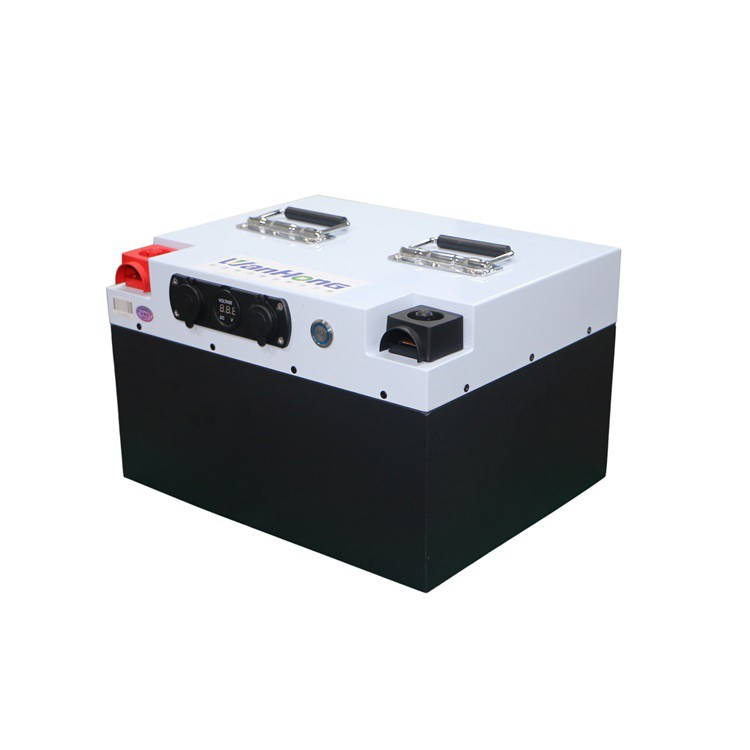

Consistent Performance
When your battery is properly protected from overcharging, it can provide a more consistent performance. You won't have to worry about sudden drops in power or other issues that can occur when a battery is overcharged.
Choosing the Right Overcharge Protection Device
When it comes to choosing an overcharge protection device for your RV battery, there are a few things to consider.
Compatibility
Make sure the device is compatible with your RV battery. Different batteries have different voltage and charging requirements, so you need to choose a device that can handle your specific battery type.
Capacity
Consider the capacity of the device. If you have a large battery or multiple batteries, you'll need a device that can handle the higher current and power requirements.
Features
Some overcharge protection devices come with additional features like temperature compensation, which can help to improve the performance of your battery in different weather conditions.
Our Offerings as an RV Battery Supplier
As an RV battery supplier, we offer a wide range of high - quality overcharge protection devices. We understand the importance of keeping your RV battery in top condition, and our devices are designed to provide reliable protection. Whether you have a 12V RV Battery or a 24V RV Battery, we have the right overcharge protection solution for you.
If you're interested in learning more about our overcharge protection devices or our RV batteries, we'd love to hear from you. Contact us to start a discussion about your specific needs. We're here to help you make the best choice for your RV and ensure that your battery lasts as long as possible.
References
- Battery University: A great resource for in - depth information about battery technology and charging.
- RV industry publications: These often have articles about RV battery management and the importance of overcharge protection.