

In the dynamic landscape of material handling, forklifts stand as the unsung heroes, facilitating the seamless movement of goods across warehouses, distribution centers, and industrial facilities. At the heart of these workhorses lies the forklift battery, a critical component that not only powers their operation but also significantly influences their maneuverability. As a leading supplier of 80V forklift batteries, I've witnessed firsthand the transformative impact these high-voltage power sources can have on a forklift's performance. In this blog post, I'll delve into the intricate relationship between an 80V forklift battery and a forklift's maneuverability, exploring the key factors at play and highlighting the benefits that come with choosing the right battery for your fleet.
Understanding Forklift Maneuverability
Before we dive into the specifics of how an 80V forklift battery affects maneuverability, it's essential to understand what maneuverability means in the context of forklift operation. Maneuverability refers to a forklift's ability to navigate through tight spaces, make precise turns, and perform complex maneuvers with ease. It encompasses factors such as turning radius, acceleration, deceleration, and responsiveness, all of which are crucial for efficient and safe material handling operations.
A forklift with good maneuverability can significantly improve productivity by reducing the time it takes to move goods from one location to another. It also enhances safety by minimizing the risk of collisions and accidents, especially in congested work environments. Therefore, choosing a forklift battery that can support optimal maneuverability is essential for any business looking to maximize the performance of its material handling fleet.
The Role of Voltage in Forklift Maneuverability
Voltage is a critical factor in determining the performance of a forklift battery. It refers to the electrical potential difference between two points in a circuit and is measured in volts (V). In the context of forklift batteries, voltage plays a crucial role in determining the power output and efficiency of the battery.
Higher voltage batteries, such as 80V forklift batteries, can deliver more power to the forklift's electric motor, resulting in increased acceleration, faster lifting speeds, and improved overall performance. This enhanced power output allows forklifts to handle heavier loads and navigate through challenging terrain with greater ease, ultimately improving their maneuverability.
In addition to providing more power, 80V forklift batteries also offer better energy efficiency compared to lower voltage batteries. They can convert a higher percentage of the stored energy into usable power, reducing energy waste and extending the battery's runtime. This means that forklifts equipped with 80V batteries can operate for longer periods without needing to be recharged, further enhancing their productivity and maneuverability.
Advantages of 80V Forklift Batteries for Maneuverability
Now that we understand the role of voltage in forklift maneuverability, let's take a closer look at the specific advantages of using 80V forklift batteries.
1. Increased Power and Torque
As mentioned earlier, 80V forklift batteries can deliver more power to the forklift's electric motor, resulting in increased acceleration and torque. This means that forklifts equipped with 80V batteries can start and stop more quickly, making them more responsive and easier to maneuver in tight spaces. They can also handle heavier loads with greater ease, reducing the time it takes to move goods from one location to another.
2. Faster Lifting and Lowering Speeds
In addition to improved acceleration, 80V forklift batteries also enable faster lifting and lowering speeds. This is because the higher voltage allows the forklift's hydraulic system to operate more efficiently, delivering more power to the lifting mechanism. As a result, forklifts can lift and lower loads more quickly, improving productivity and reducing the time it takes to complete each task.
3. Better Energy Efficiency
80V forklift batteries are more energy-efficient than lower voltage batteries, which means they can convert a higher percentage of the stored energy into usable power. This results in longer runtime and reduced energy consumption, ultimately saving businesses money on their energy bills. In addition, the improved energy efficiency of 80V batteries also means that they generate less heat during operation, reducing the risk of battery damage and extending the battery's lifespan.
4. Enhanced Regenerative Braking
Regenerative braking is a technology that allows forklifts to recover energy during braking and use it to recharge the battery. 80V forklift batteries are particularly well-suited for regenerative braking systems because they can handle the high voltage generated during the braking process. This means that forklifts equipped with 80V batteries can recover more energy during braking, further extending the battery's runtime and improving its overall efficiency.
Comparing 80V Forklift Batteries with Lower Voltage Options
While 80V forklift batteries offer many advantages for maneuverability, it's important to consider how they compare to lower voltage options such as 24V Forklift Battery, 36V Forklift Battery, and 48V Forklift Battery.
Lower voltage batteries are typically less expensive than 80V batteries, making them a more affordable option for businesses on a budget. However, they also offer less power and performance, which can limit the maneuverability of the forklift. For example, a forklift equipped with a 24V battery may have a slower acceleration and lifting speed compared to a forklift equipped with an 80V battery, making it less suitable for handling heavy loads or navigating through challenging terrain.
In addition, lower voltage batteries may have a shorter runtime and require more frequent charging, which can reduce productivity and increase downtime. This is because they have a lower energy storage capacity and are less efficient at converting the stored energy into usable power. Therefore, while lower voltage batteries may be a cost-effective option for some applications, they may not be the best choice for businesses that require high-performance forklifts with excellent maneuverability.
Choosing the Right 80V Forklift Battery for Your Needs
When choosing an 80V forklift battery, it's important to consider several factors to ensure that you select the right battery for your needs. These factors include:
1. Battery Capacity
Battery capacity refers to the amount of energy that a battery can store and is measured in ampere-hours (Ah). The higher the battery capacity, the longer the forklift can operate without needing to be recharged. Therefore, it's important to choose a battery with a capacity that is suitable for your specific application. If you have a forklift that operates for long periods without breaks, you may need a battery with a higher capacity to ensure that it can last throughout the shift.
2. Battery Type
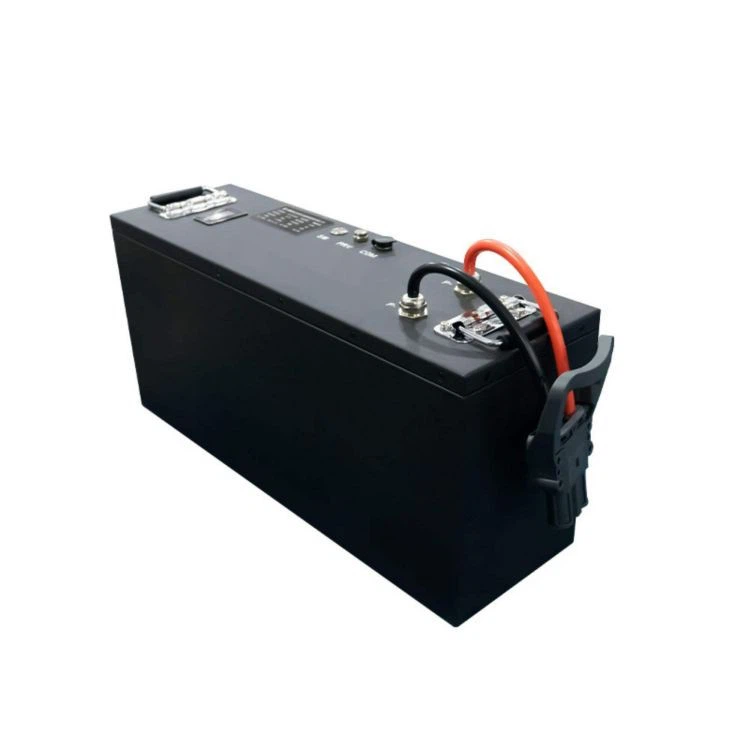
There are several types of 80V forklift batteries available on the market, including lead-acid batteries, lithium-ion batteries, and nickel-metal hydride batteries. Each type of battery has its own advantages and disadvantages, so it's important to choose the type that is best suited for your specific application. For example, lead-acid batteries are the most common type of forklift battery and are known for their reliability and affordability. However, they are also heavier and require more maintenance compared to other types of batteries. Lithium-ion batteries, on the other hand, are lighter, more energy-efficient, and require less maintenance, but they are also more expensive.

3. Charging Time
Charging time is another important factor to consider when choosing an 80V forklift battery. The charging time of a battery depends on several factors, including the battery capacity, the charging method, and the charger used. It's important to choose a battery that can be charged quickly to minimize downtime and maximize productivity. Some 80V forklift batteries are designed to be fast-charged, which means they can be charged to full capacity in a shorter period of time compared to traditional batteries.
4. Compatibility
Finally, it's important to ensure that the 80V forklift battery you choose is compatible with your forklift. This includes ensuring that the battery has the right voltage, capacity, and dimensions to fit your forklift's battery compartment. It's also important to choose a battery that is compatible with your forklift's charging system to ensure that it can be charged safely and efficiently.
Conclusion
In conclusion, an 80V forklift battery can have a significant impact on a forklift's maneuverability. By providing more power, faster lifting speeds, better energy efficiency, and enhanced regenerative braking, 80V batteries can improve the performance and productivity of forklifts in a variety of applications. While lower voltage batteries may be a more affordable option for some businesses, they may not offer the same level of performance and maneuverability as 80V batteries.
As a leading supplier of 80V forklift batteries, I understand the importance of choosing the right battery for your needs. That's why I offer a wide range of high-quality 80V forklift batteries that are designed to meet the specific requirements of different applications. Whether you're looking for a battery with a high capacity, fast charging time, or long lifespan, I can help you find the perfect battery for your forklift.
If you're interested in learning more about our 80V forklift batteries or would like to discuss your specific needs with one of our experts, please don't hesitate to contact us. We're here to help you make the right choice for your business and ensure that your forklifts are operating at their best.
References
- "Forklift Battery Basics," Material Handling Equipment Distributors Association (MHEDA)
- "Voltage and Power in Forklift Batteries," Industrial Truck Association (ITA)
- "Choosing the Right Forklift Battery," Lift Truck magazine