

Hey there, fellow marine enthusiasts! As a supplier of 12V Lifepo4 marine batteries, I've gotten a ton of questions about how temperature affects the self-discharge rate of these batteries. So, I thought I'd take some time to break it down for you.
First off, let's talk about what self-discharge is. Self-discharge is the process where a battery loses its charge over time, even when it's not being used. It's a natural phenomenon that happens in all batteries, but the rate at which it occurs can vary depending on a few factors, including temperature.
Now, let's get into the nitty-gritty of how temperature impacts the self-discharge rate of a 12V Lifepo4 marine battery.
High Temperatures
When it comes to high temperatures, things can get a little dicey for your battery. High temperatures can significantly increase the self-discharge rate of a 12V Lifepo4 marine battery. Why? Well, at high temperatures, the chemical reactions inside the battery speed up. This means that the battery is losing its charge at a faster rate.
For example, if you're using your boat in a hot climate or storing your battery in a hot environment, like a garage without proper ventilation, the self-discharge rate can be much higher than normal. In some cases, the self-discharge rate can double or even triple at high temperatures compared to normal room temperature.
This can be a real problem for boat owners. If your battery is self-discharging too quickly, you might find that it doesn't have enough charge when you need it. This could leave you stranded on the water or unable to start your boat's engine.
But it's not just about the self-discharge rate. High temperatures can also have a long-term impact on the battery's lifespan. The faster chemical reactions can cause more wear and tear on the battery's components, leading to a shorter overall lifespan. So, if you want your 12V Lifepo4 marine battery to last as long as possible, it's important to keep it cool.
Low Temperatures
On the other end of the spectrum, low temperatures can also affect the self-discharge rate of a 12V Lifepo4 marine battery. At low temperatures, the chemical reactions inside the battery slow down. This means that the self-discharge rate is generally lower than at normal room temperature.
However, low temperatures also come with their own set of problems. While the self-discharge rate might be lower, the battery's performance can be significantly reduced. At low temperatures, the battery might not be able to deliver as much power as it can at normal temperatures. This can be a problem if you're trying to start your boat's engine or use other electrical equipment on your boat.
In addition, if the battery is exposed to extremely low temperatures for an extended period of time, it can cause damage to the battery's internal components. This can lead to a permanent reduction in the battery's capacity and performance.
Ideal Temperature Range
So, what's the ideal temperature range for a 12V Lifepo4 marine battery? Well, most manufacturers recommend keeping the battery between 20°C and 25°C (68°F and 77°F). This is the temperature range where the battery performs best and has the lowest self-discharge rate.
Of course, it's not always possible to keep your battery within this ideal temperature range, especially if you're using your boat in different climates. But there are some things you can do to help keep your battery at a reasonable temperature.
For example, if you're storing your battery during the off-season, try to find a cool, dry place to keep it. A basement or a climate-controlled storage unit can be a good option. If you're using your boat in a hot climate, make sure your battery is well-ventilated and try to avoid leaving it in direct sunlight for long periods of time.
Other Factors Affecting Self-Discharge Rate
While temperature is one of the biggest factors affecting the self-discharge rate of a 12V Lifepo4 marine battery, it's not the only one. Other factors can also play a role, including the battery's state of charge, the age of the battery, and the quality of the battery.

For example, a battery that is fully charged will generally have a lower self-discharge rate than a battery that is only partially charged. This is because the chemical reactions inside the battery are more stable when the battery is fully charged.
The age of the battery can also affect the self-discharge rate. As a battery gets older, its self-discharge rate tends to increase. This is because the battery's internal components start to degrade over time, which can cause the chemical reactions inside the battery to become less stable.
Finally, the quality of the battery can also have an impact on the self-discharge rate. Higher-quality batteries are generally designed to have a lower self-discharge rate than lower-quality batteries. So, when you're shopping for a 12V Lifepo4 marine battery, it's important to choose a reputable brand and a high-quality product.
Our 12V Lifepo4 Marine Batteries
At our company, we understand the importance of temperature management when it comes to 12V Lifepo4 marine batteries. That's why our batteries are designed to perform well in a wide range of temperatures. We use high-quality materials and advanced manufacturing techniques to ensure that our batteries have a low self-discharge rate and a long lifespan.
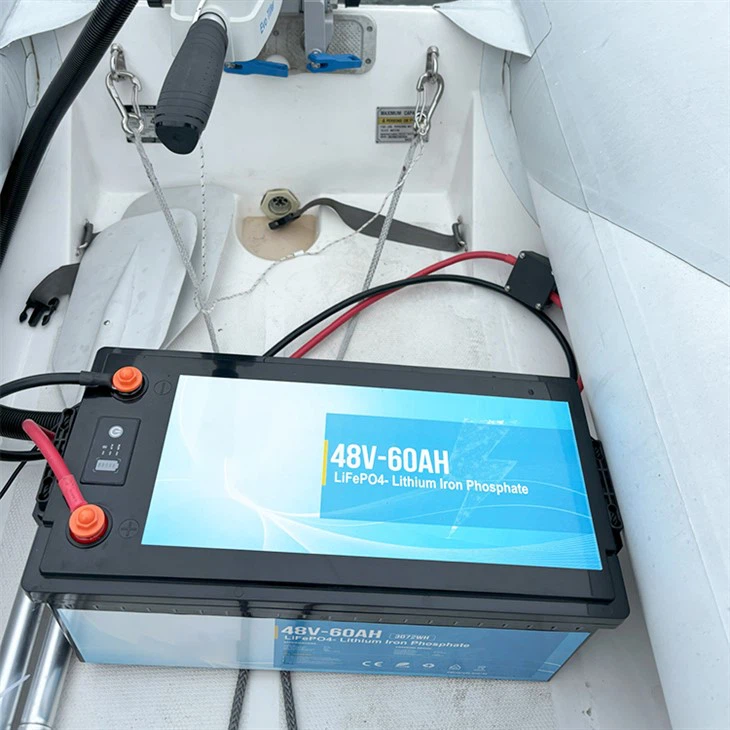
In addition to our 12V Lifepo4 marine batteries, we also offer 24V Lifepo4 Marine Battery and 48V Lifepo4 Marine Battery options. Whether you're looking for a battery for a small boat or a large yacht, we have the right solution for you.
If you're in the market for a new 12V Lifepo4 marine battery, or if you have any questions about how temperature affects battery performance, don't hesitate to reach out. We're here to help you make the best decision for your boating needs.
Conclusion
In conclusion, temperature plays a crucial role in the self-discharge rate of a 12V Lifepo4 marine battery. High temperatures can increase the self-discharge rate and reduce the battery's lifespan, while low temperatures can reduce the battery's performance. By understanding how temperature affects your battery and taking steps to manage it, you can ensure that your battery performs at its best and lasts as long as possible.
If you're interested in learning more about our 12V Lifepo4 Marine Battery or any of our other products, please don't hesitate to contact us. We're always happy to answer your questions and help you find the right battery for your needs.
References
- Linden, D., & Reddy, T. B. (2002). Handbook of Batteries. McGraw-Hill.
- Broussely, M., et al. (2004). Analysis of the calendar life of Li-ion batteries in real use conditions. Journal of Power Sources, 134(1), 113-120.