

Selecting the right 12V RV battery is a crucial decision for any RV owner. As a 12V RV battery supplier, I've seen firsthand the impact that a well - chosen battery can have on an RV's performance and the overall camping experience. In this blog, I'll guide you through the key factors to consider when making this important choice.
Understanding Your Power Needs
The first step in choosing the right 12V RV battery is to understand your power requirements. Different RVs have different power consumption patterns based on the appliances and devices they carry. For instance, if you have a small camper with just basic lighting and a small fridge, your power needs will be significantly lower compared to an RV with a microwave, air conditioner, and multiple electronic devices.
To calculate your power needs, make a list of all the electrical appliances in your RV and note down their power ratings (usually in watts). Then, estimate how long each device will be used per day. For example, if your fridge consumes 100 watts and runs for 12 hours a day, it will use 1200 watt - hours (Wh) per day. Add up the daily watt - hour consumption of all your devices to get your total daily power requirement.

Once you have your total daily power requirement, you can use it to determine the battery capacity you need. Battery capacity is usually measured in amp - hours (Ah). To convert watt - hours to amp - hours, you need to divide the watt - hours by the battery voltage (in this case, 12V). So, if your total daily power requirement is 1200 Wh, you'll need a battery with a capacity of at least 100 Ah (1200 Wh / 12V).
Types of 12V RV Batteries
There are several types of 12V RV batteries available in the market, each with its own advantages and disadvantages.
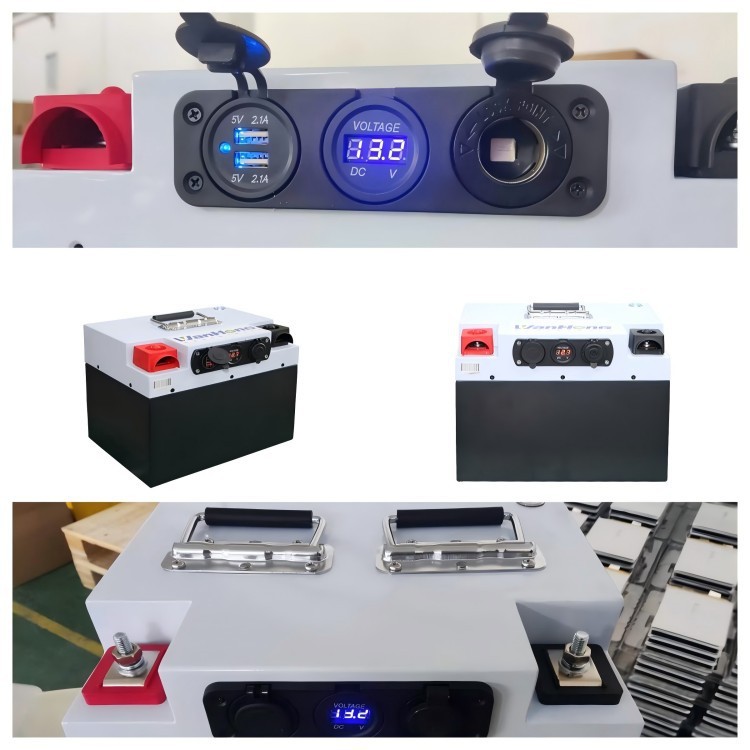
Lead - Acid Batteries
- Flooded Lead - Acid Batteries: These are the most traditional type of RV batteries. They are relatively inexpensive and have a good capacity. However, they require regular maintenance, such as checking and refilling the electrolyte levels. They also need to be installed in a well - ventilated area because they release hydrogen gas during charging.
- AGM (Absorbent Glass Mat) Batteries: AGM batteries are a maintenance - free alternative to flooded lead - acid batteries. The electrolyte in AGM batteries is absorbed in a glass mat, which eliminates the need for checking and refilling. They are also more resistant to vibration and can be mounted in different positions. However, they are more expensive than flooded lead - acid batteries.
- Gel Batteries: Gel batteries use a gel - like electrolyte, which makes them spill - proof and more resistant to deep discharges. They are also maintenance - free and can operate in a wider temperature range. But they are the most expensive type of lead - acid batteries.
Lithium - Ion Batteries
Lithium - ion batteries are becoming increasingly popular in the RV industry. They have a much higher energy density compared to lead - acid batteries, which means they can store more energy in a smaller and lighter package. They also have a longer lifespan, can be charged and discharged more times, and are more efficient at converting stored energy into usable power. However, they are significantly more expensive than lead - acid batteries.
Battery Capacity and Reserve Capacity
Battery capacity, measured in amp - hours (Ah), is an important factor to consider. A higher amp - hour rating means the battery can store more energy and will last longer between charges. However, it's also important to consider the reserve capacity of the battery.

Reserve capacity is the number of minutes a fully charged battery can deliver a specific amount of current (usually 25 amps) until the battery voltage drops below a certain level (usually 10.5 volts). A battery with a high reserve capacity will be able to power your RV's essential systems for a longer time in case of a charging failure.
When choosing a battery, make sure to look at both the amp - hour rating and the reserve capacity. If you plan to boondock (camp without electrical hookups) for extended periods, you'll want a battery with a high amp - hour rating and a long reserve capacity.
Charging System Compatibility
Your RV's charging system needs to be compatible with the type of battery you choose. Different types of batteries have different charging requirements.
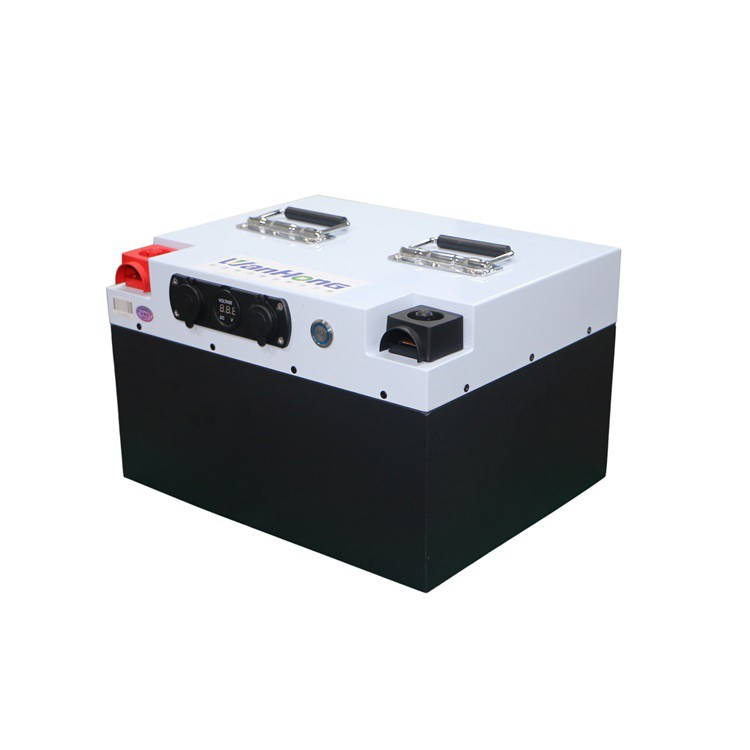
For example, lead - acid batteries require a specific charging profile to prevent overcharging and sulfation. AGM and gel batteries need a charging voltage that is slightly different from flooded lead - acid batteries. Lithium - ion batteries have their own unique charging requirements and often require a specialized charger.
Before purchasing a battery, check your RV's charging system to make sure it can handle the type of battery you're considering. If necessary, you may need to upgrade your charging system or purchase a compatible charger.
Cost and Lifespan
Cost is always a consideration when choosing a 12V RV battery. Lead - acid batteries are generally the most affordable option, while lithium - ion batteries are the most expensive. However, it's important to consider the lifespan of the battery as well.
Lead - acid batteries typically have a lifespan of 2 - 5 years, depending on how well they are maintained. Lithium - ion batteries, on the other hand, can last 10 - 15 years or more. When you factor in the longer lifespan of lithium - ion batteries, the cost per year of use may be comparable to or even lower than that of lead - acid batteries.
Other Considerations
- Size and Weight: Make sure the battery you choose will fit in the battery compartment of your RV. Also, consider the weight of the battery, especially if you have a smaller RV. Lithium - ion batteries are much lighter than lead - acid batteries, which can be an advantage if weight is a concern.
- Temperature Tolerance: If you plan to camp in extreme temperatures, choose a battery that can handle those conditions. Lithium - ion batteries generally have a wider temperature tolerance than lead - acid batteries.
As a 12V RV battery supplier, we offer a wide range of high - quality 12V RV Battery options to meet your specific needs. We also provide 24V RV Battery for those with different power requirements. Our team of experts is always available to help you choose the right battery for your RV.
If you're in the market for a new 12V RV battery, we encourage you to contact us for a detailed discussion. We can provide you with all the information you need to make an informed decision and ensure that your RV has reliable power for all your adventures.
References
- "RV Batteries: A Complete Guide" by RVing Know How
- "Battery Basics" by Battery Council International
- Various product manuals and specifications from battery manufacturers