

When it comes to powering your marine vessel, selecting the right battery is crucial for a reliable and efficient experience on the water. Among the various options available, 24V LiFePO4 marine batteries have gained significant popularity due to their numerous advantages over traditional lead - acid batteries. As a supplier of 24V LiFePO4 marine batteries, I understand the importance of making an informed decision. In this blog, I'll share some key factors to consider when choosing the right 24V LiFePO4 marine battery.
1. Capacity
The capacity of a battery is measured in amp - hours (Ah). It indicates how much charge the battery can store and deliver over a specific period. When choosing a 24V LiFePO4 marine battery, you need to assess your vessel's power requirements. Consider all the electrical devices on your boat, such as lights, navigation equipment, fish finders, and pumps. Calculate the total power consumption of these devices and estimate how long you need to run them without recharging.
For example, if your boat has a total power consumption of 50 amps per hour and you want to run the equipment for 5 hours, you will need a battery with a capacity of at least 250Ah. However, it's always a good idea to add a buffer to account for unexpected power needs or inefficiencies in the system. You can find a wide range of capacities for 24V LiFePO4 Marine Battery on our website to meet different requirements.
2. Discharge Rate
The discharge rate of a battery is another important factor. It refers to how quickly the battery can release its stored energy. In a marine environment, you may need to power high - demand devices such as winches or electric trolling motors. A battery with a high discharge rate can handle these sudden power surges without significant voltage drops.
LiFePO4 batteries generally have a better discharge rate compared to lead - acid batteries. Look for a 24V LiFePO4 marine battery with a discharge rate that matches the power requirements of your high - demand devices. Some batteries are rated for continuous discharge, while others can handle short - term high - current discharges. Make sure to check the manufacturer's specifications to ensure the battery can meet your needs.
3. Cycle Life
Cycle life is the number of charge - discharge cycles a battery can undergo before its capacity drops to a certain level (usually 80% of its original capacity). A longer cycle life means the battery will last longer and provide better value for money in the long run.
LiFePO4 batteries are known for their excellent cycle life. They can typically withstand thousands of charge - discharge cycles, which is significantly more than lead - acid batteries. When choosing a 24V LiFePO4 marine battery, consider the expected usage of your boat. If you use your boat frequently, a battery with a high cycle life will be more cost - effective. Our 24V LiFePO4 Marine Battery is designed to have a long cycle life, ensuring reliable performance over many years of use.
4. Safety Features
Safety is of utmost importance when it comes to marine batteries. LiFePO4 batteries are generally safer than other lithium - ion batteries due to their stable chemical structure. However, it's still essential to choose a battery with additional safety features.
Look for batteries with built - in over - charge protection, over - discharge protection, and short - circuit protection. These features prevent the battery from being damaged due to improper charging or discharging, reducing the risk of fire or explosion. Some batteries also have a thermal management system to regulate the temperature during charging and discharging, which further enhances safety.
5. Size and Weight
Space is often limited on a boat, so the size and weight of the battery are important considerations. LiFePO4 batteries are much lighter than lead - acid batteries of the same capacity. This weight reduction can improve the boat's performance, especially in terms of speed and fuel efficiency.
Measure the available space on your boat for the battery and choose a 24V LiFePO4 marine battery that fits comfortably. Make sure to also consider the installation requirements, such as the orientation and mounting options. Our batteries are designed to be compact and lightweight, making them easy to install in various marine applications.
6. Compatibility with Charging Systems
Your 24V LiFePO4 marine battery needs to be compatible with your boat's charging system. LiFePO4 batteries require a different charging profile compared to lead - acid batteries. They need a charger specifically designed for LiFePO4 batteries to ensure proper charging and to prevent damage.
Check the specifications of your boat's existing charging system or consult with a professional to determine if it can be used with a LiFePO4 battery. If not, you may need to invest in a new charger. Our team can provide guidance on the compatible charging systems for our 24V LiFePO4 Marine Battery to ensure a seamless integration with your boat's electrical system.
7. Brand Reputation and Warranty
The brand reputation of the battery manufacturer is a significant factor. A well - established brand with a good track record is more likely to produce high - quality batteries. Research the manufacturer's history, customer reviews, and industry reputation before making a purchase.
In addition, a good warranty is an indicator of the manufacturer's confidence in their product. Look for a 24V LiFePO4 marine battery with a comprehensive warranty that covers defects in materials and workmanship. This will give you peace of mind knowing that you are protected in case of any issues with the battery.
Comparison with Other Voltage Options
While 24V LiFePO4 marine batteries are a popular choice, you may also consider 12V LiFePO4 Marine Battery or 48V LiFePO4 Marine Battery depending on your specific needs.
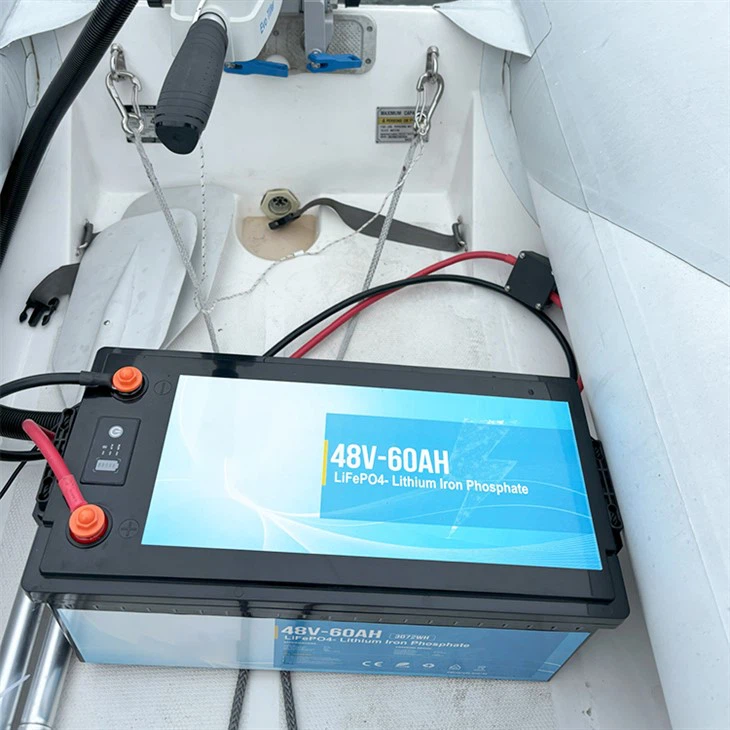

A 12V battery is suitable for smaller boats with lower power requirements. It may be more cost - effective for basic electrical systems. On the other hand, a 48V battery is ideal for larger boats with high - power devices or for applications where longer cable runs are required. The higher voltage reduces the current, which in turn reduces power losses in the cables.
When choosing between different voltage options, consider the overall power requirements of your boat, the existing electrical system, and the compatibility with your charging and electrical devices.
Conclusion
Choosing the right 24V LiFePO4 marine battery requires careful consideration of several factors, including capacity, discharge rate, cycle life, safety features, size and weight, compatibility with charging systems, and brand reputation. By taking the time to evaluate these factors, you can select a battery that meets your boat's power needs and provides reliable performance for years to come.
If you have any questions or need further assistance in choosing the right 24V LiFePO4 marine battery for your boat, please feel free to contact us. Our team of experts is ready to help you make an informed decision and ensure that you get the best battery for your marine application. We look forward to discussing your requirements and exploring the possibility of a successful procurement partnership.
References
- Battery University: A comprehensive resource for battery technology and information.
- Marine Electrical Systems Manual: A guide to understanding and installing electrical systems on boats.