

Hey there! As a supplier of 36V forklift batteries, I've seen firsthand the importance of proper battery disposal. Not only is it crucial for environmental reasons, but it also ensures the safety of everyone involved. In this blog post, I'll walk you through the steps to dispose of a 36V forklift battery properly.
Why Proper Disposal Matters
First off, let's talk about why it's so important to dispose of these batteries correctly. Forklift batteries, including 36V ones, contain hazardous materials like lead and sulfuric acid. If these substances end up in landfills or are improperly dumped, they can contaminate the soil, water, and air. This poses a serious threat to the environment and human health.
On top of that, improper disposal can also lead to legal issues. There are strict regulations in place regarding the disposal of hazardous waste, and violating these rules can result in hefty fines. So, it's in everyone's best interest to do it right.

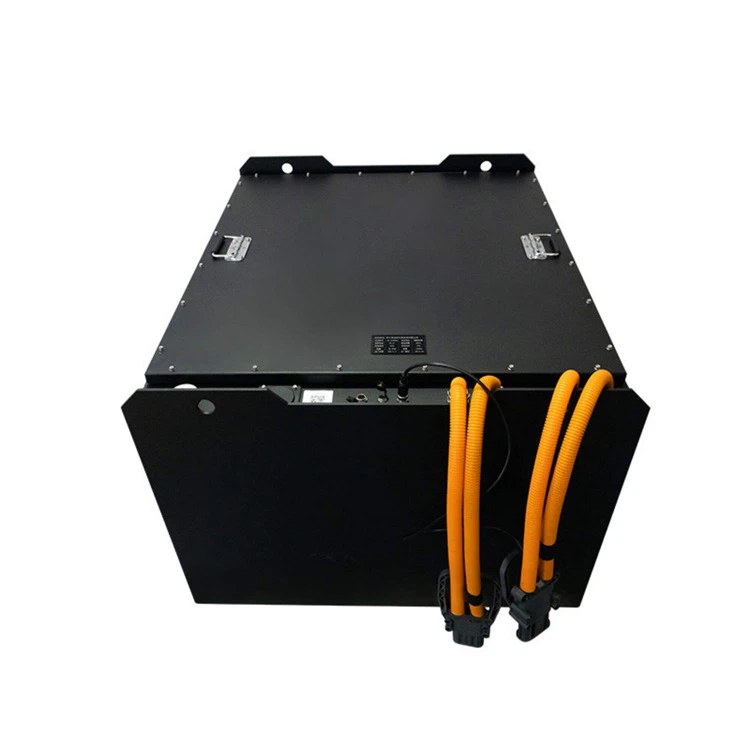
Step 1: Check the Battery's Condition
Before you start thinking about disposal, you need to check the battery's condition. Sometimes, a battery might just need a little maintenance or repair to keep it going. If the battery is still in good shape, you might be able to recharge it and reuse it.
On the other hand, if the battery is damaged, leaking, or has reached the end of its lifespan, it's time to move on to the next steps.
Step 2: Discharge the Battery
Once you've determined that the battery needs to be disposed of, the next step is to discharge it. This is an important safety measure because a fully charged battery can be dangerous to handle.
There are a few ways to discharge a 36V forklift battery. One common method is to use a battery discharger. This device is specifically designed to safely discharge the battery at a controlled rate. Another option is to use the battery in a forklift until it's completely drained. However, this method takes longer and might not be practical in all situations.
Step 3: Contact a Certified Recycling Facility
After the battery is discharged, it's time to find a certified recycling facility. These facilities are equipped to handle the hazardous materials in the battery and recycle them in an environmentally friendly way.
You can search online for recycling facilities in your area that accept forklift batteries. Make sure to choose a facility that is certified by the relevant authorities. This ensures that they follow all the necessary safety and environmental regulations.
When you contact the recycling facility, let them know that you have a 36V forklift battery to dispose of. They'll give you instructions on how to prepare the battery for transport and what to expect during the recycling process.
Step 4: Prepare the Battery for Transport
Once you've found a recycling facility, you need to prepare the battery for transport. This involves a few important steps to ensure the safety of everyone involved.
First, you need to clean the battery. Use a solution of baking soda and water to neutralize any acid on the surface of the battery. This helps prevent corrosion and makes the battery safer to handle.
Next, you need to secure the battery in a suitable container. A sturdy plastic or metal container with a tight-fitting lid is ideal. Make sure the container is labeled clearly as "Hazardous Waste - Forklift Battery" to alert anyone who might come into contact with it.
Finally, you need to transport the battery to the recycling facility. It's important to use a vehicle that is designed to transport hazardous materials. This ensures that the battery is transported safely and reduces the risk of spills or accidents.
Step 5: Follow Up with the Recycling Facility
After you've dropped off the battery at the recycling facility, it's a good idea to follow up with them. Make sure they received the battery and that everything went smoothly. You can also ask for a certificate of recycling to prove that the battery was disposed of properly.
Other Considerations
In addition to the steps outlined above, there are a few other things to keep in mind when disposing of a 36V forklift battery.
- Safety First: Always wear protective gear, such as gloves and goggles, when handling a forklift battery. This helps protect you from the hazardous materials in the battery.
- Legal Requirements: Make sure you comply with all the relevant laws and regulations regarding the disposal of hazardous waste. This includes obtaining any necessary permits or licenses.
- Alternative Options: In some cases, you might be able to donate the battery to a local school or community organization. They might be able to use it for educational purposes or in a project.
Conclusion
Disposing of a 36V forklift battery properly is an important responsibility. By following the steps outlined in this blog post, you can ensure that the battery is disposed of safely and in an environmentally friendly way.
If you're in the market for a new forklift battery, we offer a wide range of options, including 80V Forklift Battery, 24V Forklift Battery, and 48V Forklift Battery. Our batteries are high-quality, reliable, and built to last.
If you have any questions or need more information, feel free to reach out. We're here to help you find the right battery for your needs.
References
- U.S. Environmental Protection Agency. (n.d.). Battery Recycling. Retrieved from [Website URL]
- Occupational Safety and Health Administration. (n.d.). Hazardous Waste Operations and Emergency Response. Retrieved from [Website URL]