

Maintaining an RV battery is crucial for ensuring a smooth and hassle - free camping experience. As an RV battery supplier, I've seen firsthand the impact that proper battery maintenance can have on the performance and longevity of these essential power sources. In this blog, I'll share some valuable tips on how to maintain an RV battery effectively.
Understanding Your RV Battery
Before diving into maintenance, it's important to understand the different types of RV batteries available. The most common types are lead - acid batteries (including flooded, AGM, and gel) and lithium - ion batteries. Each type has its own characteristics, advantages, and maintenance requirements.
Lead - acid batteries are the traditional choice for RVs. Flooded lead - acid batteries are the most affordable but require regular maintenance, such as checking and topping up the electrolyte levels. AGM (Absorbent Glass Mat) and gel batteries are maintenance - free in terms of electrolyte levels, but they still need proper charging and storage to perform well.
Lithium - ion batteries, on the other hand, are a newer and more advanced option. They are lighter, have a longer lifespan, and can provide more consistent power. However, they also require a specialized charger and careful monitoring to prevent overcharging and over - discharging.

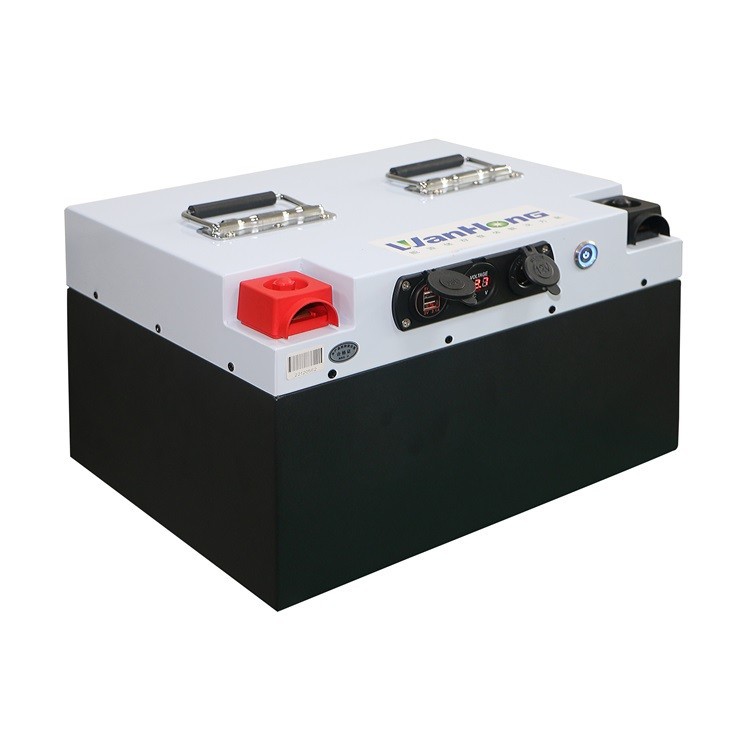
Charging Your RV Battery
Proper charging is one of the most critical aspects of RV battery maintenance. Here are some key points to keep in mind:
Use the Right Charger
Using a charger that is specifically designed for your type of RV battery is essential. For lead - acid batteries, a multi - stage charger is recommended. This type of charger can provide different charging voltages at different stages of the charging process, which helps to prevent overcharging and extends the battery's lifespan.
For lithium - ion batteries, you need a charger that is compatible with their unique charging requirements. These chargers typically have built - in protection circuits to prevent overcharging, over - discharging, and short - circuits.
Avoid Overcharging
Overcharging can cause significant damage to your RV battery. It can lead to the breakdown of the electrolyte, the corrosion of the battery plates, and the generation of excessive heat. To avoid overcharging, make sure your charger has an automatic shut - off feature or use a charge controller.
Charge Regularly
Even if you're not using your RV frequently, it's important to charge your battery regularly. Lead - acid batteries can self - discharge over time, and if they are left in a discharged state for too long, they can become sulfated. Sulfation is a process where lead sulfate crystals form on the battery plates, reducing the battery's capacity and performance.
Lithium - ion batteries also benefit from regular charging. Although they have a lower self - discharge rate than lead - acid batteries, keeping them at an appropriate state of charge helps to maintain their health.
Storage of Your RV Battery
Proper storage is another important factor in RV battery maintenance, especially during the off - season.
Clean the Battery
Before storing your RV battery, make sure to clean it thoroughly. Use a mixture of baking soda and water to neutralize any acid residue on the battery terminals. Then, dry the battery completely to prevent corrosion.
Disconnect the Battery
If you're storing your RV for an extended period, it's a good idea to disconnect the battery from the RV's electrical system. This helps to prevent any parasitic drains that could slowly discharge the battery.
Store in a Cool, Dry Place
The ideal storage temperature for RV batteries is between 32°F (0°C) and 70°F (21°C). High temperatures can accelerate the self - discharge rate and cause damage to the battery, while freezing temperatures can also be harmful, especially to lead - acid batteries.
For lead - acid batteries, it's recommended to store them at a fully charged state. You can use a trickle charger to maintain the charge during storage. Lithium - ion batteries should be stored at around 50% state of charge.
Monitoring Your RV Battery
Regular monitoring of your RV battery's state of charge and health is essential for early detection of any potential problems.
Use a Battery Monitor
A battery monitor is a useful tool that can provide information about your battery's voltage, state of charge, and other important parameters. It allows you to keep track of the battery's performance and take appropriate action if necessary.
Check the Battery Terminals
Inspect the battery terminals regularly for signs of corrosion or loose connections. Corroded terminals can cause poor electrical conductivity, which can lead to charging problems and reduced battery performance. If you notice any corrosion, clean the terminals using a wire brush and apply a terminal protector to prevent future corrosion.
Maintenance for Different Battery Types
Lead - Acid Batteries
- Flooded Lead - Acid Batteries: As mentioned earlier, these batteries require regular checking and topping up of the electrolyte levels. Use distilled water to fill the cells, and make sure not to overfill them. Also, check the specific gravity of the electrolyte using a hydrometer to assess the battery's state of charge.
- AGM and Gel Batteries: Although they are maintenance - free in terms of electrolyte levels, they still need to be charged properly and monitored for signs of damage or aging.
Lithium - Ion Batteries
Lithium - ion batteries are generally low - maintenance, but they require careful monitoring of their charging and discharging processes. Make sure to follow the manufacturer's instructions regarding charging voltage, current, and temperature limits.
Conclusion
Maintaining an RV battery is not a difficult task, but it does require some attention and knowledge. By following the tips outlined in this blog, you can ensure that your RV battery performs at its best and lasts for a long time.
If you're in the market for a new RV battery, we offer a wide range of high - quality options, including 24V RV Battery and 12V RV Battery. Our team of experts is always ready to help you choose the right battery for your needs. If you have any questions or would like to discuss your battery requirements, please feel free to reach out to us. We look forward to working with you to power your RV adventures.
References
- Battery University: A comprehensive resource for battery knowledge and information.
- RV manufacturers' manuals: Provide specific guidelines for battery maintenance and usage in RVs.
- Battery manufacturers' specifications: Offer detailed information about the characteristics and maintenance requirements of different battery types.