

Hey there! I'm a supplier of 80V Forklift Battery, and I've been in this industry for quite a while. One question that comes up pretty often is how to recycle an 80V forklift battery. It's not only an important environmental issue but also makes good economic sense. So, let's dive into the details!
Why Recycling is a Must
First off, why should we even bother recycling these batteries? Well, 80V forklift batteries are usually lead - acid batteries. If they're not recycled properly, they can release harmful substances like lead and sulfuric acid into the environment. Lead is a heavy metal that can cause serious health problems, especially to children and pregnant women. Sulfuric acid is also a highly corrosive substance that can damage soil and water sources.
On the flip side, recycling these batteries allows us to recover valuable materials. Lead can be reused to make new batteries, saving the energy and resources required to mine and refine new lead. It's a win - win situation for both the planet and our wallets.
Understanding the 80V Forklift Battery
Before we get into the recycling process, it's important to understand what an 80V forklift battery is made of. These batteries are typically composed of multiple lead - acid cells connected in series to achieve the 80V output. Each cell contains lead plates (both positive and negative) and an electrolyte solution of sulfuric acid and water.
The lead plates are the main component that we want to recover during recycling. They're heavy and have a high value when recycled. The sulfuric acid, while dangerous, can also be treated and recycled to some extent.
Step - by - Step Recycling Process
Collection and Transportation
The first step in recycling an 80V forklift battery is collection. As a supplier, I often get requests from customers who want to dispose of their old batteries. We have a system in place to collect these batteries safely. They're carefully removed from the forklifts, making sure not to spill any of the electrolyte solution.
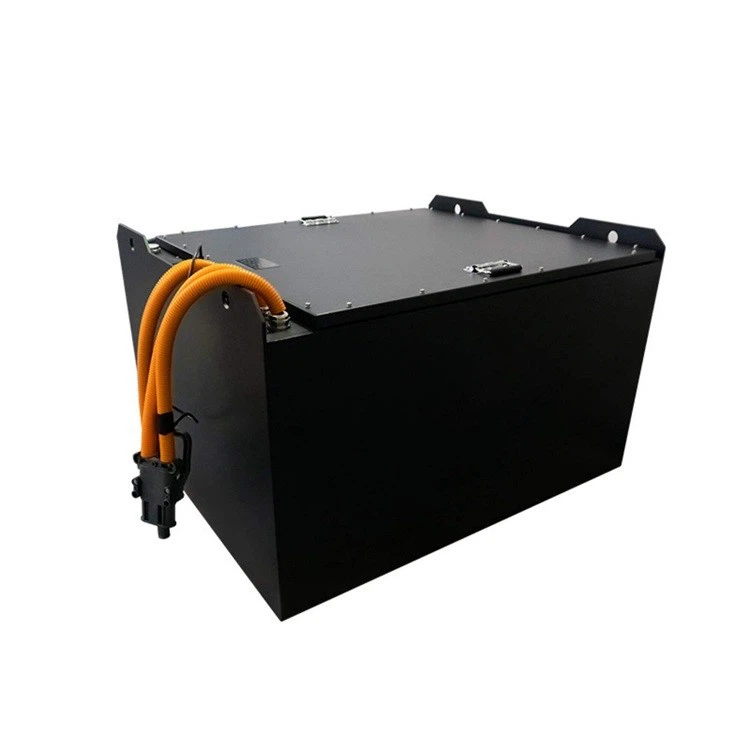
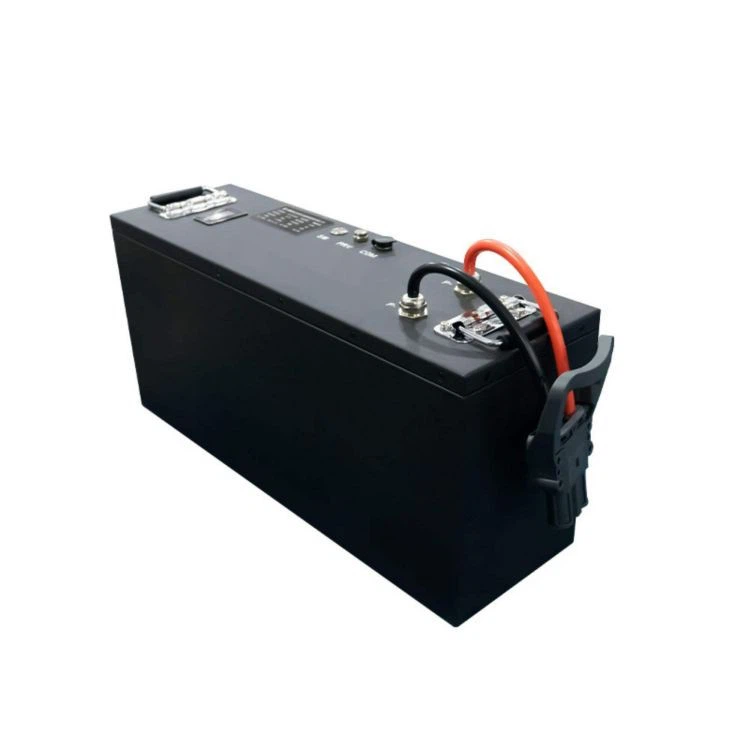
Once collected, the batteries are transported to a recycling facility. Special care is taken during transportation to prevent any damage. The batteries are secured in a way that they won't move around, and the vehicle used for transportation is equipped to handle any potential spills.
Initial Inspection and Sorting
At the recycling facility, the first thing they do is inspect the batteries. They check for any visible damage, leaks, or other issues. If a battery is severely damaged, it might need special handling.
The batteries are also sorted based on their type and condition. This helps in streamlining the recycling process, as different types of batteries might require different treatment methods.
Discharging the Battery
Before any further processing, the battery needs to be fully discharged. This is a crucial step as a charged battery can be dangerous during the recycling process. There are several ways to discharge an 80V forklift battery. One common method is to use a specialized discharging unit that slowly drains the battery's energy in a controlled manner.
Breaking Down the Battery
Once the battery is discharged, it's time to break it down into its components. This is usually done using mechanical methods. The outer casing of the battery is removed, exposing the lead plates and the electrolyte solution.
The lead plates are then separated from the other components. This can be a bit tricky as they're often connected to other parts of the battery. Special tools are used to carefully disconnect and remove the lead plates.
Treating the Electrolyte Solution
The electrolyte solution, which is mainly sulfuric acid and water, needs to be treated. First, it's neutralized to reduce its acidity. This is usually done by adding a base, such as sodium hydroxide. The neutralized solution can then be further processed to remove any impurities and recover the water and sulfuric acid.
Recycling the Lead
The lead plates are the most valuable part of the battery. They're melted down in a furnace at high temperatures. During the melting process, impurities are removed, and the lead is refined. The refined lead can then be used to make new batteries or other lead - based products.
Challenges in Recycling 80V Forklift Batteries
Recycling 80V forklift batteries isn't always a smooth process. One of the biggest challenges is dealing with the hazardous materials. The sulfuric acid in the batteries is extremely corrosive, and lead is toxic. Special safety measures need to be in place at every step of the recycling process to protect the workers and the environment.
Another challenge is the cost. Recycling facilities need to invest in expensive equipment and technology to properly recycle these batteries. This cost is often passed on to the customers, which can make recycling a bit more expensive than simply disposing of the batteries in an improper way. However, in the long run, the environmental and economic benefits of recycling outweigh the costs.
Alternatives to Recycling
While recycling is the best option for 80V forklift batteries, there are some alternative uses for these batteries. For example, if the battery is still in relatively good condition, it can be refurbished and reused. This involves replacing any damaged parts and recharging the battery. Refurbished batteries can be a more affordable option for some customers.
Another alternative is to repurpose the battery for other applications. For instance, an 80V forklift battery can be used as a backup power source for small industrial equipment or in some off - grid power systems. However, these alternatives are only viable for batteries that are in good working condition.
Our Role as a Supplier
As a 80V Forklift Battery supplier, we have a responsibility to promote recycling. We educate our customers about the importance of recycling and offer them solutions for proper battery disposal.
We also work closely with recycling facilities to ensure that the batteries are recycled in an environmentally friendly and efficient manner. By doing so, we're not only helping to protect the environment but also contributing to the sustainable growth of the forklift battery industry.
Other Forklift Battery Options
In addition to our 80V forklift batteries, we also offer 36V Forklift Battery and 24V Forklift Battery options. These lower - voltage batteries are suitable for different types of forklifts and applications. The recycling process for these batteries is similar to that of the 80V batteries, but there might be some minor differences due to their smaller size and lower voltage.
Get in Touch
If you're in the market for a new forklift battery or need help recycling your old one, don't hesitate to reach out. We're here to provide you with the best solutions and advice. Whether you need an 80V, 36V, or 24V forklift battery, we've got you covered.
References
- "Environmental Impact of Lead - Acid Batteries" by Environmental Protection Agency.
- "Recycling of Forklift Batteries: A Technical Guide" by Industry Research Institute.