

What appliances can I power with an RV battery?
As an RV battery supplier, I often get asked by customers about what appliances they can power with their RV batteries. The answer to this question depends on several factors, including the type and capacity of the battery, the power requirements of the appliances, and how efficiently you manage your power consumption. In this blog post, I'll break down the different types of appliances you can run on an RV battery and provide some useful tips to help you make the most of your power source.
Understanding RV Batteries
Before we dive into the appliances, it's essential to understand the basics of RV batteries. The two most common types of RV batteries are 12V and 24V. You can find our 12V RV Battery and 24V RV Battery options on our website. These batteries come in various capacities, usually measured in amp - hours (Ah). The higher the amp - hour rating, the more energy the battery can store and supply to your appliances.

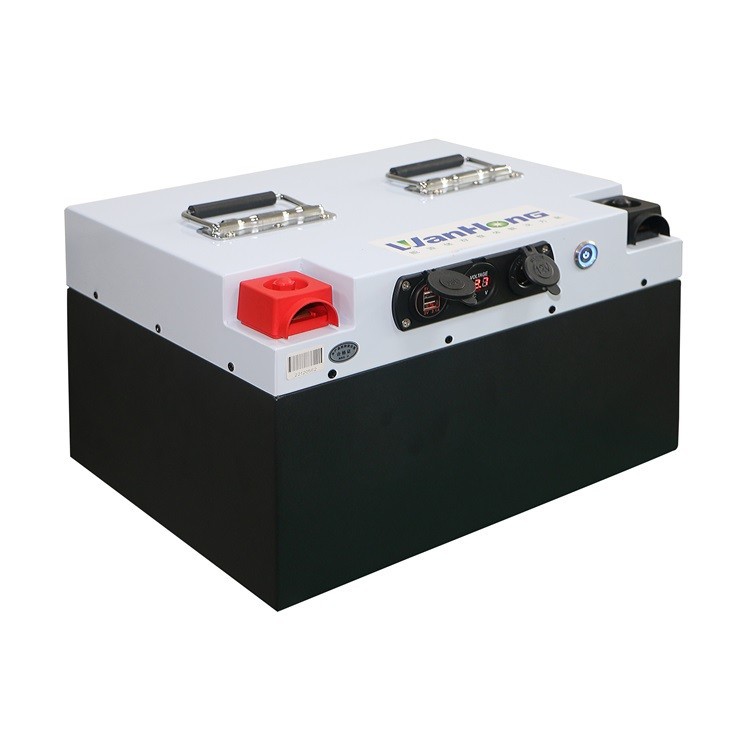
RV batteries can be either deep - cycle or starting batteries. Starting batteries are designed to provide a large burst of power for a short time to start the engine. On the other hand, deep - cycle batteries are built to deliver a steady amount of power over a more extended period, making them ideal for powering RV appliances.
Low - Power Appliances
- LED Lights
LED lights are extremely energy - efficient. They consume very little power compared to traditional incandescent or fluorescent lights. A single LED bulb might draw as little as 1 - 3 watts. With a typical 12V RV battery, you can power multiple LED lights for hours on end. For example, if you have a 100Ah 12V battery and your LED lights draw a total of 10 watts, you can run them for approximately 120 hours (assuming the battery is fully charged and you can use all of its capacity, which is not entirely realistic in practice due to battery discharge limits). - Smoke and Carbon Monoxide Detectors
These safety devices are crucial in an RV. They typically draw a very small amount of power, usually less than 1 watt. You can rely on your RV battery to keep these detectors functioning for an extended period without draining the battery significantly. - Charging Small Electronics
You can use your RV battery to charge small electronics such as smartphones, tablets, and laptops. You'll need a power inverter to convert the DC power from the battery to AC power, which most electronics require. A small inverter with a capacity of around 100 - 200 watts is sufficient for charging these devices. For instance, a smartphone charger might draw 5 - 10 watts, and a tablet charger around 10 - 20 watts.
Medium - Power Appliances
- Refrigerators
RV refrigerators can be powered by either AC or DC power. Some models are designed to switch between the two automatically. A small RV refrigerator might draw around 3 - 5 amps when running on DC power. If your battery is a 12V system, that's equivalent to 36 - 60 watts. However, refrigerators cycle on and off, so the average power consumption over time is lower. You can run a small RV refrigerator on a 12V deep - cycle battery for a day or two, depending on the battery's capacity and how often the fridge runs. - Fans
Fans are great for keeping the air circulating in your RV. A small, portable fan might draw around 20 - 50 watts. You can run a fan continuously for several hours on a fully charged RV battery. Larger, more powerful fans will consume more power, but they can still be managed with a proper battery setup. - Water Pumps
Water pumps in an RV are used to supply water to the sink, shower, and toilet. They typically draw around 5 - 10 amps on a 12V system, which is 60 - 120 watts. These pumps are usually used for short periods, so they don't drain the battery too quickly.
High - Power Appliances
- Microwaves
Microwaves are high - power appliances that draw a significant amount of power. A typical RV microwave might require 600 - 1200 watts. Running a microwave on an RV battery alone is challenging because it will quickly drain the battery. You would need a large - capacity battery bank and a high - wattage inverter to handle the power demand. It's often more practical to use a microwave when you're connected to shore power or a generator. - Air Conditioners
Air conditioners are the most power - hungry appliances in an RV. A small RV air conditioner can draw 10 - 15 amps on a 120V AC system, which is equivalent to 1200 - 1800 watts. Running an air conditioner on an RV battery without a generator or shore power is almost impossible due to the high power requirements. However, some newer, more energy - efficient models are starting to emerge that may be more feasible to run for short periods with a large battery bank.
Tips for Efficient Power Usage
- Monitor Your Battery Level
Use a battery monitor to keep track of your battery's state of charge. This will help you avoid over - discharging the battery, which can reduce its lifespan. - Optimize Your Appliance Use
Turn off appliances when they're not in use. For example, turn off lights when you leave a room and don't leave the refrigerator door open for extended periods. - Use Energy - Efficient Appliances
Invest in energy - efficient LED lights, refrigerators, and other appliances. They will consume less power and help you get more out of your RV battery.
Contact Us for Your RV Battery Needs
If you're looking to power your RV appliances with reliable batteries, we're here to help. As an experienced RV battery supplier, we offer a wide range of high - quality 12V and 24V RV batteries to suit your specific requirements. Whether you need a battery for a small camper or a large motorhome, we have the right solution for you.
Contact us to discuss your power needs and let us help you select the best RV battery for your situation. We can also provide you with valuable advice on how to manage your power consumption effectively.
References
- “RV Electrical Systems: A Comprehensive Guide” by RV Lifestyle Magazine.
- “Battery Basics for RVers” published by an RV industry association.