

Hey there! As a home energy storage supplier, I often get asked about the charge acceptance rate of home energy storage systems. So, let's dive right into it and break down what this concept means and why it's super important for your home energy setup.
First off, what exactly is the charge acceptance rate? Well, it's basically the rate at which a home energy storage system can take in and store electrical energy. Think of it like a bucket filling up with water. The charge acceptance rate determines how fast that bucket (your energy storage system) can be filled with electricity. A higher charge acceptance rate means your system can absorb energy more quickly, which is a huge plus, especially when you've got a lot of renewable energy coming in, like from solar panels during peak sunlight hours.
Now, why does the charge acceptance rate matter? For starters, it directly impacts how efficiently you can store energy. If your system has a low charge acceptance rate, it might not be able to keep up with the amount of energy being generated. Let's say you've got a great solar setup that's producing a ton of electricity during the day. If your energy storage system can't accept that energy fast enough, you might end up wasting some of that precious renewable power. On the other hand, a high charge acceptance rate allows you to make the most of the energy you generate, reducing your reliance on the grid and potentially saving you a ton of money on your energy bills.
Another reason the charge acceptance rate is crucial is its role in battery health. When a battery is charged too slowly or too quickly, it can cause stress on the battery cells, leading to reduced battery life. A system with an appropriate charge acceptance rate helps ensure that the battery is charged in a way that maximizes its lifespan. This means you won't have to replace your battery as often, which is not only better for your wallet but also for the environment.
So, what factors affect the charge acceptance rate of home energy storage systems? There are a few key ones. First is the type of battery technology. Different battery chemistries have different charge acceptance capabilities. For example, lithium-ion batteries, which are commonly used in home energy storage systems, generally have a higher charge acceptance rate compared to lead-acid batteries. Lithium-ion batteries can handle a faster charge without significant degradation, making them a popular choice for many homeowners.
The state of charge (SOC) of the battery also plays a big role. When a battery is at a low SOC, it can typically accept a higher charge rate. As the battery approaches full charge, the charge acceptance rate usually decreases to prevent overcharging. This is an important safety feature built into most energy storage systems.
The temperature of the battery is another factor. Batteries perform best within a certain temperature range. If it's too cold, the charge acceptance rate can drop significantly, as the chemical reactions inside the battery slow down. On the other hand, if it's too hot, the battery can overheat, which can also affect its charge acceptance rate and overall performance.
Now, let's talk about how you can choose a home energy storage system with a good charge acceptance rate. When shopping for a system, look for batteries that are designed for high charge acceptance. For instance, our Server Rack Battery 48V is engineered to handle a fast charge, allowing you to store energy quickly and efficiently. It's a great option for those who want to make the most of their renewable energy sources.
Another option is our Lithium Battery Wall Mount. This sleek and compact battery is not only easy to install but also has a high charge acceptance rate. It's perfect for homes with limited space or for those who want a more discreet energy storage solution.
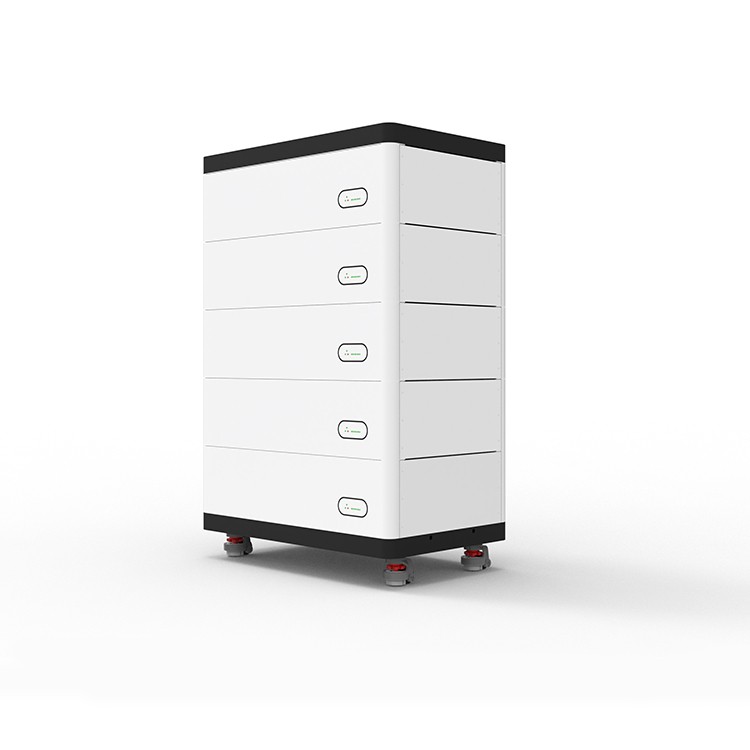
If you need even more flexibility, our Stackable Battery is a great choice. You can stack multiple batteries together to increase your storage capacity, and they're designed to have a high charge acceptance rate, so you can charge them up quickly and keep your home powered.

In conclusion, the charge acceptance rate of home energy storage systems is a crucial factor to consider when choosing a system for your home. It affects how efficiently you can store energy, the health of your battery, and ultimately, your overall energy costs. By understanding what the charge acceptance rate is and what factors influence it, you can make an informed decision when selecting a home energy storage system.
If you're interested in learning more about our home energy storage solutions or have any questions about charge acceptance rates, don't hesitate to reach out. We're here to help you find the perfect system for your home and ensure you get the most out of your renewable energy.
References
- Various industry reports on home energy storage systems
- Technical specifications of battery products