

Hey there, fellow RV enthusiasts! As a supplier of 24V RV batteries, I often get asked about the charging profile for these powerhouses. Today, I'm gonna break it down for you in simple terms so you can keep your RV battery in tip - top shape.
First off, let's understand why the charging profile is so important. A 24V RV battery is the heart of your mobile home on wheels. It powers everything from your lights to your fridge, and even your entertainment systems. If you don't charge it properly, you might end up with a dead battery in the middle of nowhere.
The charging process for a 24V RV battery usually goes through several stages. The first stage is the bulk charge. This is when you're pumping a high amount of current into the battery to get it up to about 80% of its capacity. During this stage, the battery voltage is relatively low, and the charger can deliver a large amount of power. It's like giving your battery a big gulp of energy.
Once the battery hits around 80% capacity, we move on to the absorption stage. In this stage, the charger reduces the current and maintains a constant voltage. This helps to fully charge the battery without overcharging it. It's like sipping a drink slowly to make sure you don't overdo it. The absorption stage can take a while, depending on the battery's size and state of charge.
After the absorption stage, we have the float stage. This is the final stage of the charging process, where the charger maintains a low, constant voltage to keep the battery fully charged and prevent self - discharge. It's like having a trickle of water keeping a bucket full.
Now, let's talk about the different types of chargers you can use for your 24V RV battery. There are three main types: linear chargers, switch - mode chargers, and smart chargers.
Linear chargers are the simplest type. They're relatively inexpensive but not very efficient. They work by using a transformer to step down the voltage and regulate the current. However, they can get quite hot and waste a lot of energy.
Switch - mode chargers are more efficient than linear chargers. They use a switching circuit to convert the AC power to DC power. They're smaller, lighter, and generate less heat. But they can be a bit more expensive.
Smart chargers are the top of the line. They can automatically adjust the charging current and voltage based on the battery's state of charge. They can also detect when the battery is fully charged and switch to the float stage. This helps to extend the battery's lifespan and prevent overcharging.
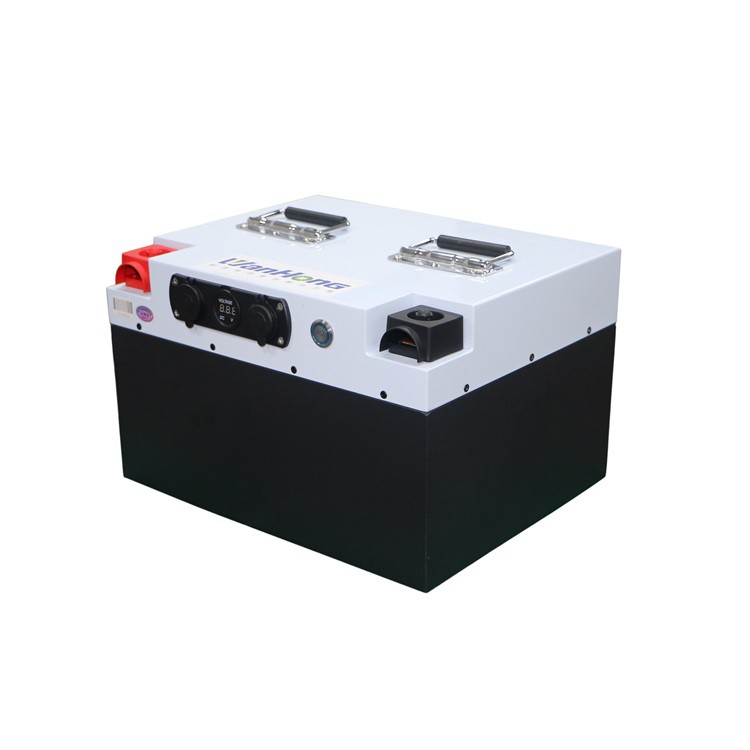

When it comes to choosing a charger for your 24V RV battery, you need to consider a few factors. First, make sure the charger is compatible with your battery type. There are different types of 24V RV batteries, such as lead - acid, AGM, and lithium - ion, and each type has different charging requirements.
Second, consider the charger's output current. You want a charger that can deliver enough current to charge your battery quickly but not too much that it overcharges it. A good rule of thumb is to choose a charger with an output current of about 10 - 20% of the battery's amp - hour rating.
Another important thing to keep in mind is the charging environment. You should always charge your 24V RV battery in a well - ventilated area. Batteries can produce hydrogen gas during the charging process, which is flammable. So, make sure there are no open flames or sparks nearby.
Also, avoid charging your battery in extreme temperatures. High temperatures can cause the battery to overheat and reduce its lifespan, while low temperatures can slow down the charging process.
Now, I know some of you might be thinking, "What if I already have a 12V RV battery? Can I upgrade to a 24V one?" Well, the answer is yes, but it's not as simple as just swapping out the battery. You'll need to make sure your RV's electrical system can handle the higher voltage. You might also need to upgrade your charger and other electrical components. If you're interested in learning more about 12V RV Battery, click on the link.
As a 24V RV battery supplier, I can tell you that the 24V RV battery has some great advantages. It can provide more power and longer run times compared to a 12V battery. It's also more efficient, which means you can save on energy costs in the long run. If you're considering upgrading or buying a new 24V RV battery, check out our 24V RV Battery options.
In conclusion, understanding the charging profile for a 24V RV battery is crucial for keeping your RV's electrical system running smoothly. By following the right charging stages, choosing the right charger, and paying attention to the charging environment, you can extend the lifespan of your battery and avoid any unexpected power outages.
If you have any questions about 24V RV batteries or need help choosing the right charger, don't hesitate to reach out. We're here to help you make the best decision for your RV. Whether you're a weekend warrior or a full - time RVer, having a reliable 24V RV battery is essential for a great camping experience. So, let's get your battery charged up and ready for your next adventure!
References:
- Battery University: A comprehensive resource for battery knowledge.
- RV Electrical Systems Manuals: Various manuals available from RV manufacturers.