

The depth of discharge (DoD) for a 24V RV battery is a crucial concept that every RV owner and enthusiast should understand. As a supplier of 24V RV batteries, I've encountered numerous questions regarding this topic. In this blog post, I'll delve into what depth of discharge means, why it matters for 24V RV batteries, and how to manage it effectively.
What is Depth of Discharge?
Depth of discharge refers to the percentage of a battery's capacity that has been used relative to its total capacity. For example, if a 24V RV battery has a total capacity of 100 amp - hours (Ah) and 50 Ah have been used, the depth of discharge is 50%. A 100% DoD means that all of the battery's available energy has been depleted.
It's important to note that different battery chemistries have different optimal DoD ranges. For lead - acid batteries, which are commonly used in RVs, discharging them too deeply can significantly reduce their lifespan. On the other hand, lithium - ion batteries can generally tolerate a higher DoD without as much negative impact on their longevity.
Why Does Depth of Discharge Matter for 24V RV Batteries?
- Battery Lifespan: The relationship between DoD and battery lifespan is inverse. Frequent deep discharges put a lot of stress on the battery's internal components. In lead - acid batteries, deep discharges can cause sulfation, a process where lead sulfate crystals build up on the battery plates. This reduces the battery's ability to hold a charge and can ultimately lead to premature failure. Lithium - ion batteries are more resilient, but even they have limits. High DoD over time can still degrade the battery's performance and shorten its useful life.
- Performance: A battery that is frequently discharged to a high DoD may not be able to deliver the same amount of power as a battery that is kept at a lower DoD. As the battery degrades due to deep discharges, its voltage may drop more quickly under load, which can affect the performance of the RV's electrical systems.
- Cost - effectiveness: If you're constantly replacing batteries due to premature failure caused by high DoD, it can become quite expensive. By managing the DoD of your 24V RV battery, you can get the most out of your investment and reduce long - term costs.
DoD for Different Types of 24V RV Batteries
- Lead - Acid Batteries:
- Flooded Lead - Acid Batteries: These are the most common type of lead - acid batteries used in RVs. They typically have an optimal DoD of around 50%. Discharging them beyond this point on a regular basis can lead to a significant reduction in their lifespan. For example, if you have a 24V flooded lead - acid battery with a capacity of 200 Ah, it's best not to use more than 100 Ah before recharging.
- AGM (Absorbent Glass Mat) Batteries: AGM batteries are a type of sealed lead - acid battery. They offer some advantages over flooded lead - acid batteries, such as being maintenance - free and having a lower self - discharge rate. However, their optimal DoD is still around 50%. Although they can tolerate slightly deeper discharges than flooded lead - acid batteries, it's still advisable to keep the DoD in check.
- Lithium - Ion Batteries:
- Lithium - ion batteries are becoming increasingly popular in RV applications. They can generally tolerate a much higher DoD compared to lead - acid batteries. Many lithium - ion batteries can be safely discharged to 80% or even 90% DoD without significant impact on their lifespan. This means that you can use more of the battery's capacity before recharging, which is a great advantage for RV owners who need to power their appliances for longer periods without access to a charging source.
How to Manage the Depth of Discharge of a 24V RV Battery
- Monitor the Battery: Use a battery monitor to keep track of the battery's state of charge (SoC) and DoD. A good battery monitor will give you accurate information about how much energy has been used and how much is left in the battery. This allows you to make informed decisions about when to recharge the battery.
- Recharge Regularly: Don't wait until the battery is completely discharged before recharging it. For lead - acid batteries, it's best to recharge them when the DoD reaches 50%. For lithium - ion batteries, you can wait until the DoD reaches 80% or 90%, but it's still a good practice to recharge them as soon as possible to maintain their performance.
- Use Energy - Efficient Appliances: In your RV, using energy - efficient appliances can reduce the amount of energy consumed from the battery. This means that you can keep the DoD at a lower level for longer periods. For example, LED lights use significantly less energy than traditional incandescent lights.
- Install a Solar Charging System: A solar charging system is a great way to keep your 24V RV battery charged. It can help maintain the battery's charge level and prevent deep discharges. Solar panels can generate electricity even when the RV is parked in a remote location, providing a reliable source of power.
The Role of a 24V RV Battery Supplier
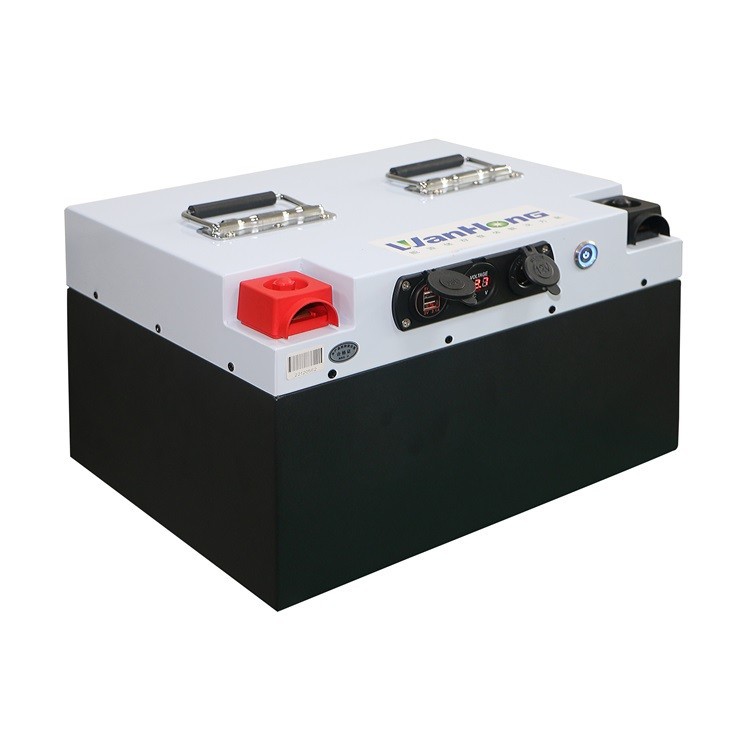
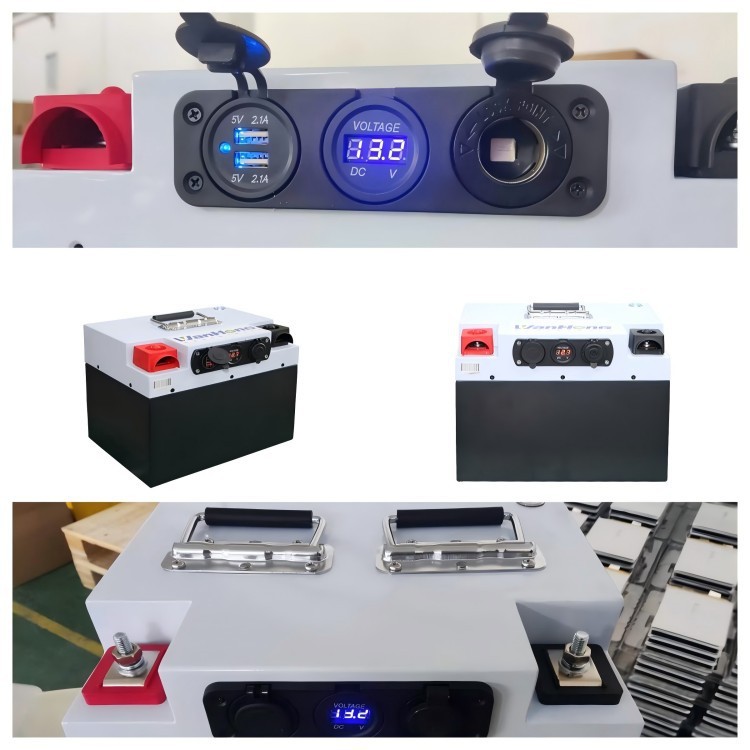
As a 24V RV battery supplier, we play an important role in educating our customers about the proper use and maintenance of their batteries. We offer a wide range of high - quality 24V RV Battery options, including both lead - acid and lithium - ion batteries. Our team of experts can provide advice on the best battery type for your specific needs, as well as guidance on how to manage the DoD to ensure the longest possible battery lifespan.
In addition to selling batteries, we also offer after - sales support. If you have any questions about your battery's performance or if you encounter any issues, our customer service team is always ready to assist you. We believe that by providing excellent products and services, we can help our customers get the most out of their RV experience.
Comparison with 12V RV Batteries
You might be wondering how 24V RV batteries compare to 12V RV Battery. The main difference lies in the power delivery and the amount of energy that can be stored. A 24V battery system can deliver more power than a 12V system, which is beneficial for running high - power appliances in the RV. However, the DoD principles are similar for both 24V and 12V batteries. Whether you choose a 24V or 12V battery, it's important to manage the DoD to ensure optimal performance and longevity.
Conclusion
Understanding the depth of discharge for a 24V RV battery is essential for every RV owner. By knowing the optimal DoD for your battery type, monitoring the battery's state of charge, and taking steps to manage the DoD, you can extend the battery's lifespan, improve its performance, and save money in the long run. As a 24V RV battery supplier, we're committed to helping you make the most of your battery investment. If you're interested in purchasing a 24V RV battery or have any questions about battery management, please don't hesitate to contact us. We look forward to discussing your needs and finding the best solution for your RV.
References
- Battery University. "How to Prolong Lithium - based Batteries."
- Trojan Battery Company. "Battery Maintenance and Care Guide."
- Renogy. "RV Battery Guide: Everything You Need to Know."