

Hey there! As a supplier of 48V golf cart batteries, I've seen firsthand how high - speed driving can have a significant impact on these power sources. In this blog, I'm gonna break down what happens to a 48V golf cart battery when you push the speed limits.
How High - Speed Driving Affects Battery Discharge
When you drive a golf cart at high speeds, the battery has to work a lot harder. Think of it like running a marathon at a sprinting pace. The motor requires more power to maintain that high speed, and this leads to a faster discharge of the battery.
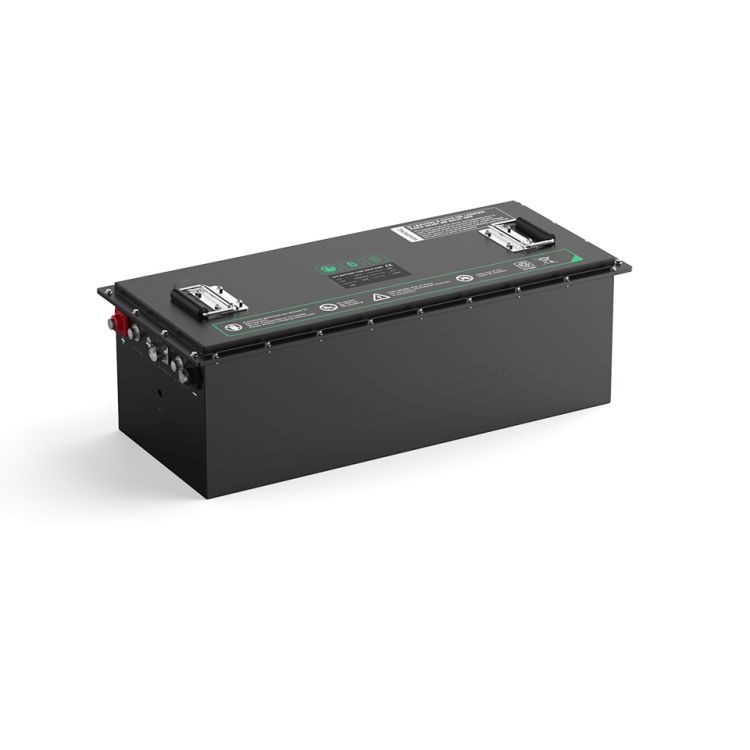

Normally, a 48V golf cart battery is designed to provide a certain amount of power over a specific period. But when you're zipping around at high speeds, the current draw from the battery increases substantially. This means that the battery's charge depletes much quicker than it would during normal, slower driving. For instance, if a golf cart can usually cover 20 miles on a single charge at a moderate speed, driving at high speed might reduce that range to just 10 or 15 miles.
Heat Generation and Its Consequences
High - speed driving also generates a lot of heat. The increased current flow through the battery and the motor causes electrical resistance, which in turn produces heat. This heat is not good news for the battery.
Excessive heat can damage the battery's internal components. It can cause the electrolyte inside the battery to evaporate, which can lead to a decrease in battery performance. Over time, the heat can also cause the battery plates to warp or corrode. Once the plates are damaged, the battery's capacity to hold a charge is reduced, and its overall lifespan is shortened.
Impact on Battery Lifespan
The combination of faster discharge and heat generation takes a toll on the battery's lifespan. A 48V golf cart battery that is regularly driven at high speeds will wear out much faster than one used for normal, leisurely driving.
Batteries have a limited number of charge - discharge cycles. Each time the battery is discharged and then recharged, it uses up one of these cycles. High - speed driving accelerates the discharge process, which means more cycles are used up in a shorter period. This can lead to the battery needing to be replaced much earlier than expected. Instead of lasting 3 - 5 years, a battery subjected to constant high - speed driving might only last 1 - 2 years.
Safety Concerns
There are also safety concerns associated with high - speed driving and the battery. The increased heat and rapid discharge can increase the risk of battery fires or explosions. Although these events are rare, they can be extremely dangerous.
When a battery overheats, the pressure inside the battery can build up. If the pressure becomes too high, the battery can rupture, releasing harmful chemicals and potentially causing a fire. So, it's not just about the performance and lifespan of the battery; it's also about keeping you and others safe.
Comparing with Other Battery Voltages
It's interesting to compare the impact of high - speed driving on a 48V golf cart battery with other battery voltages. For example, a 36V Golf Cart Battery might not be as affected by high - speed driving because it generally has less power to begin with. The motor in a 36V golf cart might not be able to reach the same high speeds as a 48V cart, so the stress on the battery is less.
On the other hand, a 72V 100AH Golf Cart Battery has more power and can handle high - speed driving better. It has a larger capacity and can supply more current without as much stress. However, it's also more expensive, and if you don't need the extra power, it might not be worth the investment.
Our 48V 120AH Golf Cart Battery
At our company, we offer a 48V 120AH Golf Cart Battery that is designed to handle a certain amount of high - speed driving. It has a larger capacity than some standard 48V batteries, which means it can provide more power for longer periods.
We've engineered this battery to be more resistant to heat and to have a longer lifespan. Of course, even our high - quality battery is still affected by high - speed driving, but it can withstand it better than many other batteries on the market.
Tips for High - Speed Driving with a 48V Battery
If you're going to drive your golf cart at high speeds, there are a few things you can do to minimize the impact on the battery. First, make sure the battery is fully charged before you start. A fully charged battery can handle the extra load better.
Second, try to limit the amount of time you spend driving at high speeds. If possible, alternate between high - speed and normal - speed driving. This will give the battery a chance to cool down and reduce the overall stress on it.
Conclusion
High - speed driving has a significant impact on a 48V golf cart battery. It leads to faster discharge, heat generation, reduced lifespan, and safety concerns. However, with the right battery, like our 48V 120AH Golf Cart Battery, and some smart driving habits, you can mitigate these effects.
If you're in the market for a 48V golf cart battery or have any questions about how high - speed driving affects your battery, don't hesitate to reach out. We're here to help you make the best choice for your golf cart needs.
References
- Battery University: A comprehensive resource on battery technology and performance.
- Golf Cart Industry Reports: Data and analysis on golf cart usage and battery performance.