

Power density is a critical metric when it comes to evaluating forklift batteries. As a supplier of forklift batteries, I've witnessed firsthand how understanding power density can significantly impact the efficiency, performance, and cost - effectiveness of forklift operations. In this blog, we'll delve into what power density is, why it matters for forklift batteries, and how it relates to our offerings of 48V Forklift Battery, 24V Forklift Battery, and 36V Forklift Battery.
Understanding Power Density
Power density is defined as the amount of power that can be delivered per unit volume or mass. In the context of forklift batteries, there are two main types of power density: volumetric power density and gravimetric power density.
Volumetric power density measures the power output per unit volume of the battery. It is typically expressed in watts per liter (W/L). A battery with a high volumetric power density can deliver a large amount of power in a relatively small space. This is crucial for forklifts, as space is often limited, and a more compact battery allows for better design and maneuverability of the forklift.
Gravimetric power density, on the other hand, measures the power output per unit mass of the battery, usually in watts per kilogram (W/kg). A high gravimetric power density means that the battery can provide a significant amount of power without adding excessive weight to the forklift. This is important because a lighter forklift can consume less energy during operation, leading to improved fuel efficiency and longer battery life.
Why Power Density Matters for Forklift Batteries
Performance
A forklift with a battery of high power density can accelerate more quickly, lift heavier loads, and operate at higher speeds. This directly translates to increased productivity in a warehouse or industrial setting. For example, in a busy distribution center where forklifts are constantly moving goods, a forklift with a high - power - density battery can complete more tasks in a shorter period, reducing overall handling time and increasing throughput.
Space and Weight Constraints
Forklifts need to be compact and maneuverable to navigate through narrow aisles and tight spaces in warehouses. A battery with high volumetric power density allows for a smaller battery size, which can be integrated more easily into the forklift's design. Similarly, a high gravimetric power density battery reduces the overall weight of the forklift, improving its handling and reducing wear and tear on the tires and other components.
Energy Efficiency
Batteries with high power density can deliver power more efficiently. They can charge and discharge at a faster rate, reducing the time required for charging and minimizing energy losses during the charging and discharging process. This leads to lower energy consumption and cost savings in the long run.
Factors Affecting the Power Density of Forklift Batteries
Battery Chemistry
Different battery chemistries have different power density characteristics. For example, lithium - ion batteries generally have a much higher power density than lead - acid batteries. Lithium - ion batteries can deliver a large amount of power in a relatively small and lightweight package. They also have a longer cycle life and can be charged more quickly, making them an attractive option for modern forklift applications.
Lead - acid batteries, on the other hand, are more traditional and have been used in forklifts for many years. While they are less expensive upfront, they have a lower power density and require more maintenance. However, recent advancements in lead - acid battery technology have improved their performance and power density to some extent.
Battery Design
The design of the battery, including the electrode materials, the electrolyte, and the cell configuration, can also affect power density. For example, a battery with a more efficient electrode design can allow for faster ion transfer, which increases the power output. Additionally, the way the cells are connected and arranged within the battery pack can impact its overall power density.
Temperature
Temperature has a significant impact on the power density of forklift batteries. Most batteries perform best within a certain temperature range. At low temperatures, the chemical reactions within the battery slow down, reducing the power output. At high temperatures, the battery may experience increased self - discharge and degradation, also affecting its power density. Therefore, proper temperature management is essential to maintain the optimal power density of forklift batteries.
Our Forklift Battery Offerings and Power Density
As a supplier of forklift batteries, we offer a range of 48V Forklift Battery, 24V Forklift Battery, and 36V Forklift Battery options with different power density characteristics to meet the diverse needs of our customers.

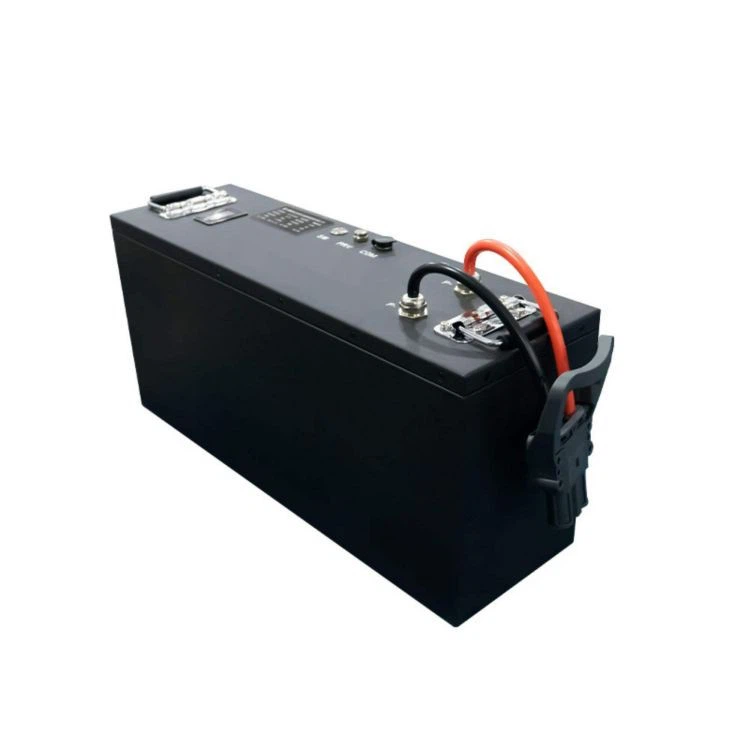
Our lithium - ion forklift batteries are known for their high power density. They offer a compact and lightweight solution that can significantly improve the performance of forklifts. With a high volumetric and gravimetric power density, these batteries can provide a large amount of power while taking up less space and adding less weight to the forklift. They also have a fast - charging capability, allowing forklifts to get back into operation quickly.
For customers who prefer a more traditional option, our lead - acid forklift batteries have also been optimized to improve their power density. We use advanced technologies and materials to enhance the performance of these batteries, making them more competitive in terms of power output and efficiency.
Choosing the Right Forklift Battery Based on Power Density
When choosing a forklift battery, it's important to consider the specific requirements of your forklift application. If you need a forklift for heavy - duty operations in a large warehouse with high throughput requirements, a high - power - density lithium - ion battery may be the best choice. It can provide the power and performance needed to handle heavy loads and operate at high speeds.
On the other hand, if you have a smaller warehouse with less demanding operations and a limited budget, a lead - acid battery with improved power density may be sufficient. These batteries can still offer reliable performance at a lower cost.
Conclusion
Power density is a crucial factor to consider when selecting a forklift battery. It affects the performance, space utilization, energy efficiency, and cost - effectiveness of forklift operations. As a supplier of forklift batteries, we are committed to providing our customers with high - quality batteries that offer the best power density for their specific needs. Whether you need a 48V Forklift Battery, 24V Forklift Battery, or 36V Forklift Battery, we have the expertise and products to meet your requirements.
If you're interested in learning more about our forklift battery offerings or need help choosing the right battery for your forklift, please don't hesitate to contact us. Our team of experts is ready to assist you in making an informed decision and ensuring that you get the best value for your investment.
References
- Linden, D., & Reddy, T. B. (2002). Handbook of Batteries (3rd ed.). McGraw - Hill.
- Karden, E., & Winter, M. (2010). Batteries for Portable Devices. Wiley - VCH.
- Rand, D. A. J., Moseley, P. T., Garche, J., & Parker, C. (2004). Valve - Regulated Lead - Acid Batteries. Elsevier.