

As a trusted supplier of RV batteries, I've encountered numerous inquiries from customers about the versatility of these power sources. Naturally, people are curious if an RV battery can serve other purposes beyond powering recreational vehicles. In this blog, I'll delve into this topic, explore the feasibility, limitations, and potential applications of using an RV battery outside of the RV context.
Understanding RV Batteries
Before we discuss alternative applications, it’s essential to understand what an RV battery is. Typically, RV batteries are designed to provide electrical power to various systems in recreational vehicles, including lights, water pumps, and small appliances. There are two main types of RV batteries: lead - acid batteries and lithium - ion batteries.
Lead - acid batteries are the traditional choice and come in two subtypes: flooded lead - acid (FLA) and sealed lead - acid (SLA), such as absorbed glass mat (AGM) and gel batteries. FLA batteries are more affordable but require regular maintenance, like checking and refilling the electrolyte levels. AGM and gel batteries, on the other hand, are maintenance - free and offer better performance in terms of vibration resistance and deep - cycle capabilities.
Lithium - ion RV batteries are a newer and more advanced option. They are lighter, have a longer lifespan, and can provide a higher depth of discharge compared to lead - acid batteries. However, they are also more expensive.
Common voltage options for RV batteries include 12V and 24V. You can check out our 12V RV Battery and 24V RV Battery on our website for a more detailed understanding.
Feasibility of Using RV Batteries for Other Applications
Power Backup
One of the most common alternative uses for an RV battery is as a power backup system. In the event of a power outage, an RV battery can be connected to essential devices such as a small fridge, a few lights, or a modem. The key here is to ensure that the total power consumption of the connected devices does not exceed the capacity of the battery.
For instance, if you have a 12V, 100Ah lead - acid RV battery, its total energy capacity is approximately 1200 watt - hours (12V * 100Ah). But considering the recommended depth of discharge of around 50% for lead - acid batteries to maintain a good lifespan, you can use about 600 watt - hours of power. So, if you have a 100 - watt fridge, it can run for about 6 hours (600 watt - hours / 100 watts).

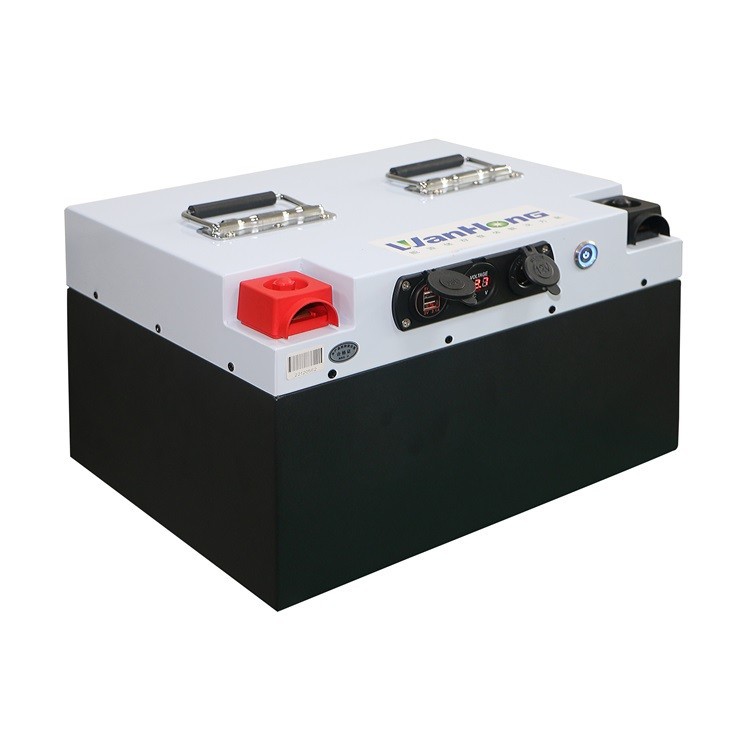
Off - Grid Solar Systems
RV batteries are also suitable for small off - grid solar systems. Solar panels are used to charge the battery during the day, and the stored energy can be used at night or during cloudy days. Lithium - ion RV batteries are particularly well - suited for this application because of their high efficiency in charging and discharging, as well as their ability to handle multiple charge - discharge cycles.
Marine Applications
Some smaller boats can benefit from using an RV battery. Similar to an RV, a boat needs power for lights, navigation equipment, and small electronics. The deep - cycle nature of many RV batteries makes them a good fit for marine use, especially in boats where space and weight are considerations.
Portable Power Stations
You can build your own portable power station using an RV battery. By adding an inverter, you can convert the DC power from the battery into AC power, which can then be used to charge laptops, smartphones, and other small electrical devices. This is a great option for camping, tailgating, or any outdoor activity where access to grid power is limited.
Limitations
While there are many potential applications for RV batteries, there are also some limitations that need to be considered.
Power Capacity
RV batteries are generally designed to meet the power needs of an RV, which may not be sufficient for larger applications. For example, if you want to power an entire house during a power outage, an RV battery will likely not have enough capacity to run high - power appliances like air conditioners or electric heaters for an extended period.
Charging Requirements
Different applications may have different charging requirements. For example, in an off - grid solar system, the charging rate and voltage may need to be carefully regulated to ensure the battery is charged safely and efficiently. If the charging system is not properly matched to the battery, it can lead to overcharging, undercharging, or reduced battery lifespan.
Compatibility
The electrical systems of different devices and applications need to be compatible with the voltage and type of the RV battery. For instance, some devices may only work with 12V power, while others may require 24V. Using an incompatible battery can damage the device or cause safety issues.
Safety Precautions
When using an RV battery for other applications, safety should always be a top priority.
Ventilation
If you are using a lead - acid battery, especially a flooded lead - acid battery, proper ventilation is crucial. During the charging process, these batteries can produce hydrogen gas, which is highly flammable. Make sure to use the battery in a well - ventilated area to prevent the build - up of explosive gases.
Overcurrent and Overvoltage Protection
Use appropriate overcurrent and overvoltage protection devices, such as fuses and charge controllers, to prevent damage to the battery and connected devices. These devices can help cut off the power if the current or voltage exceeds safe levels.
Temperature Considerations
Battery performance is affected by temperature. Extreme heat or cold can reduce the battery's capacity and lifespan. Try to keep the battery in a temperature - controlled environment as much as possible, especially if you are using it in an outdoor application.
Conclusion
In summary, an RV battery can indeed be used for a variety of other applications, including power backup, off - grid solar systems, marine use, and portable power stations. However, it's important to understand the battery's capabilities, limitations, and safety requirements before using it in a non - RV context.
If you're interested in exploring the use of RV batteries for your specific application or need more information about our products, we're here to help. Our team of experts can provide you with detailed advice and guidance to ensure you make the right choice. Don't hesitate to reach out to us to start a discussion about your battery needs.
References
- Battery University: A comprehensive resource for battery knowledge, covering different types of batteries, charging methods, and safety considerations.
- RV manufacturers' manuals: Provide detailed information about the electrical systems and battery requirements of recreational vehicles.
- Solar energy industry publications: Offer insights into the use of batteries in off - grid solar systems.