

As a supplier of 80V forklift batteries, I've witnessed firsthand the significant impact these power sources have on a forklift's electrical system. In this blog, I'll delve into the technical aspects of how an 80V forklift battery interacts with and influences a forklift's electrical components, performance, and overall operation.
Voltage and Compatibility
The voltage of a forklift battery is a crucial factor that determines its compatibility with the forklift's electrical system. Forklifts are designed to operate within a specific voltage range, and using a battery with the wrong voltage can lead to serious issues. An 80V forklift battery is engineered to provide the appropriate power level for forklifts that are designed to handle this voltage.
When compared to lower - voltage options like 24V Forklift Battery and 48V Forklift Battery, an 80V battery offers several advantages. Higher voltage generally means that the forklift can draw more power without having to increase the current significantly. According to electrical principles, power (P) is equal to voltage (V) multiplied by current (I), i.e., P = V × I. With a higher voltage, for the same amount of power output, the current can be lower. This is beneficial because lower current reduces the amount of heat generated in the electrical wiring and components, which in turn reduces the risk of overheating and extends the lifespan of the electrical system.
Impact on Motor Performance
The forklift's motor is one of the most critical components that is directly affected by the battery voltage. An 80V battery provides a more powerful and stable electrical supply to the motor. Electric motors in forklifts operate based on the principle of electromagnetic induction. The higher voltage from an 80V battery allows the motor to generate more torque, which is essential for lifting heavy loads and moving them efficiently.
Torque is the rotational force that enables the forklift to lift and transport goods. With an 80V battery, the motor can achieve higher torque levels at lower speeds, which is ideal for forklift operations. This means that the forklift can handle heavier loads with ease, improving productivity in warehouses and industrial settings. Additionally, the higher voltage can also result in faster acceleration and deceleration of the forklift, allowing for more efficient movement within the workspace.
Electrical System Components
The electrical system of a forklift consists of various components such as controllers, solenoids, and wiring. An 80V forklift battery requires these components to be designed and rated to handle the higher voltage. Controllers are responsible for regulating the power flow from the battery to the motor, and they need to be able to manage the 80V input effectively.
Solenoids are used to control the flow of electrical current in different parts of the forklift, such as engaging and disengaging the motor. With an 80V battery, these solenoids need to be rated for the higher voltage to ensure reliable operation. The wiring in the forklift also needs to be of a suitable gauge to handle the 80V power supply. Thicker wiring is often required to reduce resistance and prevent excessive heat generation.
Charging System
The charging system of a forklift is another area where the 80V battery has a significant impact. A dedicated 80V charger is required to charge the battery safely and efficiently. These chargers are designed to deliver the appropriate voltage and current to the battery during the charging process.
The charging time of an 80V forklift battery can be shorter compared to lower - voltage batteries, especially if the charger is a high - power model. This is because the higher voltage allows for a faster transfer of energy into the battery. However, it's important to note that the charging process needs to be carefully monitored to prevent overcharging, which can damage the battery and reduce its lifespan.
Energy Efficiency
Energy efficiency is a major concern for forklift operators, as it directly affects operating costs. An 80V forklift battery can contribute to improved energy efficiency in several ways. As mentioned earlier, the higher voltage allows for lower current operation, which reduces energy losses due to heat in the electrical system.
Moreover, the more powerful motor performance provided by the 80V battery means that the forklift can complete tasks more quickly, reducing the overall time the forklift is in operation. This results in less energy consumption over the course of a work shift. Additionally, modern 80V forklift batteries often incorporate advanced battery management systems that optimize the charging and discharging processes, further enhancing energy efficiency.
Safety Considerations
Safety is paramount when dealing with high - voltage electrical systems. An 80V forklift battery poses certain safety risks if not handled properly. Operators need to be trained on the specific safety procedures related to 80V batteries, such as proper handling during installation, removal, and charging.
The electrical system of the forklift should also be equipped with appropriate safety features, such as over - voltage protection, short - circuit protection, and grounding systems. These features help to prevent electrical accidents and protect both the operators and the equipment.
Conclusion
In conclusion, an 80V Forklift Battery has a profound impact on a forklift's electrical system. It offers numerous benefits in terms of motor performance, energy efficiency, and productivity. However, it also requires careful consideration of compatibility, charging systems, and safety.

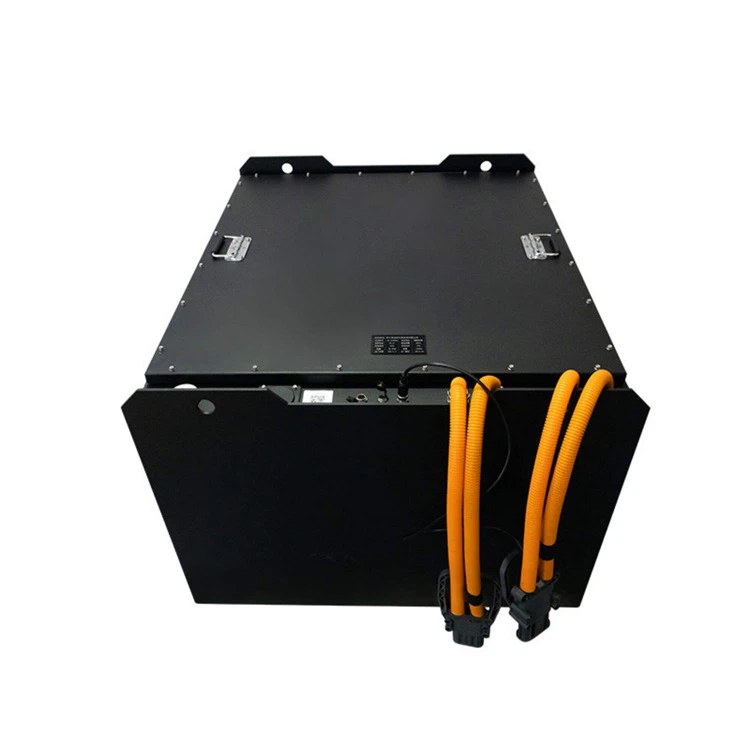
If you're in the market for a forklift battery and are considering an 80V option, I encourage you to reach out to discuss your specific requirements. Our team of experts can provide you with detailed information and guidance to ensure that you make the right choice for your forklift operations. Whether you're looking to upgrade your existing forklift or purchase a new one, an 80V forklift battery can be a valuable investment that enhances the performance and efficiency of your equipment.
References
- Electrical Engineering Principles textbooks
- Forklift manufacturer's technical manuals
- Battery industry research reports