

As a supplier of 24V RV batteries, I've seen firsthand the problems that over-discharging can cause. It not only shortens the battery's lifespan but also leads to poor performance and unexpected breakdowns during your RV adventures. So, let's dive into how you can avoid over-discharging your 24V RV battery.
Understanding Over-Discharging
First things first, we need to know what over-discharging is. Essentially, it happens when you drain your battery beyond its recommended level. For a 24V RV battery, pushing it too low can cause irreversible damage to the internal components. The chemical reactions inside the battery are designed to work within a specific voltage range. When you keep using the battery when it's nearly empty, those reactions start to go haywire, which can lead to reduced battery capacity and even a complete failure.
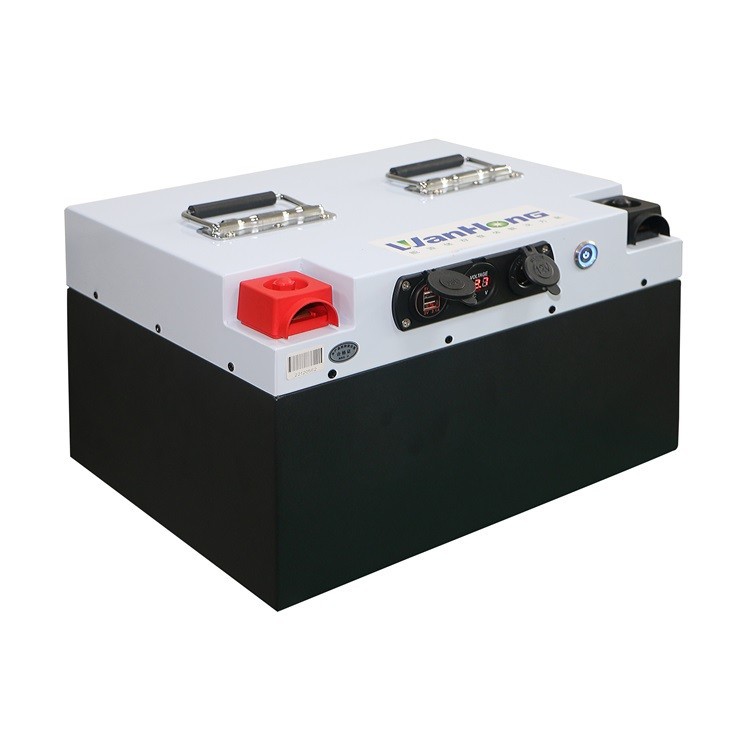

Most 24V RV batteries have a recommended minimum discharge level. Generally, it's a good idea not to let the battery go below 50% of its capacity on a regular basis. Going deeper than that too often can really take a toll on the battery.
Monitoring Your Battery's State
One of the easiest ways to avoid over-discharging is to keep an eye on your battery's state of charge. There are several tools you can use for this.
Battery Monitors
Investing in a good battery monitor is a smart move. These devices can give you real-time information about your battery's voltage, state of charge, and how much power you're using. You can find some great options that are specifically designed for RV use. With a battery monitor, you'll know exactly when it's time to recharge your 24V RV battery.
Voltmeter
A simple voltmeter can also be very useful. It's a cheap and easy way to check your battery's voltage. You can get a basic handheld voltmeter at any hardware store. Just remember to check the voltage when the battery isn't being charged or discharged, as this will give you the most accurate reading.
Connect to the 24V RV Battery to know more about the battery's specifications and compatibility with voltage monitoring devices.
Proper Charging Practices
Charging your 24V RV battery correctly is crucial for avoiding over-discharging. Here are some tips:
Use a Good Charger
Make sure you're using a charger that's designed for 24V RV batteries. A charger with multiple charging stages is ideal. These chargers can first provide a high current to quickly charge the battery, then switch to a lower current to top it off and maintain the charge without overcharging.
Charge Regularly
Don't wait until your battery is completely dead to charge it. Try to charge it as soon as it reaches around 50% of its capacity. Regular charging helps keep the battery in good condition and reduces the risk of over-discharging.
Solar Charging
Solar panels are a great option for charging your RV battery. They can keep your battery topped off while you're parked, especially if you're in a sunny location. You can install a solar charging system on your RV's roof, and it will help you avoid relying solely on shore power or a generator.
Managing Your Power Consumption
Another key aspect of avoiding over-discharging is to manage your power consumption. Here are some ways to do that:
Unplug Unused Devices
When you're not using a device in your RV, unplug it. Even when they're turned off, some devices can still draw a small amount of power, which adds up over time.
Use Energy-Efficient Appliances
Invest in energy-efficient appliances for your RV. LED lights, for example, use a lot less power than traditional incandescent bulbs. There are also low-power versions of other appliances like refrigerators and fans.
Limit High-Power Devices
Try not to use multiple high-power devices at the same time. Devices like air conditioners and microwaves draw a lot of power, and using them all at once can quickly drain your battery.
If you're also interested in smaller battery options, check out our 12V RV Battery for different power needs.
Backup Power Sources
Having a backup power source can give you an extra layer of protection against over-discharging.
Generator
A generator is a popular choice. You can use it to charge your 24V RV battery when you don't have access to shore power. Just make sure you follow all the safety guidelines when using a generator.
Second Battery
Installing a second 24V RV battery can also be a good idea. This way, if one battery starts to get low, you can switch to the other one. It gives you more power reserve and reduces the risk of over-discharging.
Conclusion
Avoiding over-discharging your 24V RV battery is all about being proactive. By monitoring your battery's state, charging it properly, managing your power consumption, and having backup power sources, you can keep your battery in great condition for years to come.
If you have any questions about our 24V RV batteries or need advice on avoiding over-discharging, feel free to reach out. We're here to help you make the most of your RV adventures with a reliable power source.
References
- Battery University: A comprehensive resource for battery knowledge and best practices.
- RV forums: Many RV enthusiasts share their experiences and tips on avoiding battery over-discharging.