

Hey there, fellow RV enthusiasts! As a supplier of 24V RV Battery, I've gotten tons of questions about connecting multiple 24V RV batteries in series. Today, I'm gonna break it down for you step - by - step.
Why Connect Batteries in Series?
First off, let's talk about why you'd wanna connect your 24V RV batteries in series. When you connect batteries in series, the voltage of the batteries adds up, while the amp - hour capacity remains the same. This is super useful if your RV's electrical system requires a higher voltage to run certain appliances or equipment. For example, some high - powered inverters or large appliances work better with a 48V or higher voltage system. By connecting multiple 24V batteries in series, you can achieve that higher voltage.
What You'll Need
Before you start hooking up those batteries, you'll need a few things:
- Multiple 24V RV Batteries: Obviously, you need the batteries themselves. Make sure they're all the same type, brand, and have similar charge levels. Mixing different batteries can lead to uneven charging and discharging, which can shorten the lifespan of your batteries.
- Battery Cables: You'll need thick, high - quality battery cables to connect the batteries. The cable size depends on the amperage of your system, but generally, for RV applications, a cable with a large gauge (like 2/0 or 4/0) is a good choice.
- Terminal Connectors: These are used to attach the cables to the battery terminals. Make sure they fit snugly and are made of a corrosion - resistant material.
- Safety Gear: Safety first! Wear gloves and safety glasses to protect yourself from any potential acid spills or electrical shocks.
Step - by - Step Guide to Connecting Batteries in Series
Step 1: Safety First
Before you touch anything, turn off all the electrical devices in your RV. This includes inverters, chargers, and any other appliances that are connected to the battery system. Also, make sure the batteries are not being charged at the moment.
Step 2: Position the Batteries
Place the batteries in a well - ventilated area. They should be close enough to each other so that you can easily connect them with the cables, but also far enough apart to prevent any short - circuits. Make sure the batteries are securely mounted to prevent them from moving around while the RV is in motion.

Step 3: Identify the Positive and Negative Terminals
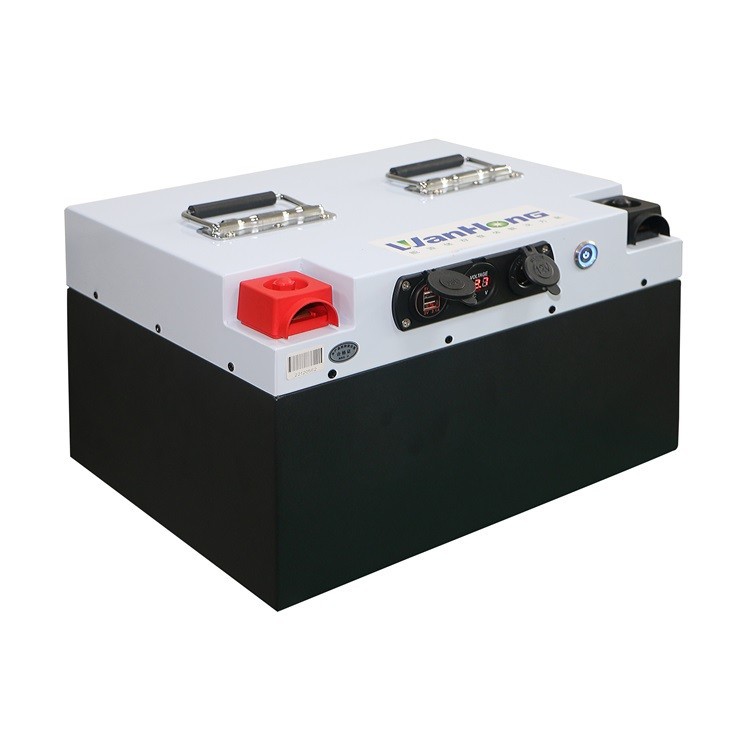
Each battery has a positive (+) and a negative (-) terminal. The positive terminal is usually marked with a red cap or a plus sign, while the negative terminal has a black cap or a minus sign.
Step 4: Connect the Batteries
To connect the batteries in series, you'll connect the negative terminal of one battery to the positive terminal of the next battery. Use the battery cables and terminal connectors to make the connection. Tighten the connectors firmly to ensure a good electrical connection.
For example, if you have two 24V batteries (Battery A and Battery B), you'll connect the negative terminal of Battery A to the positive terminal of Battery B using a battery cable.
Step 5: Check the Voltage
Once you've connected all the batteries, use a voltmeter to check the total voltage of the battery bank. If you've connected two 24V batteries in series, the total voltage should be 48V. If the voltage is not what you expect, double - check your connections to make sure everything is hooked up correctly.
Step 6: Final Checks
After you've confirmed the voltage, give all the connections a final visual inspection. Make sure there are no loose cables or exposed wires. Also, check for any signs of corrosion on the battery terminals or connectors. If you see any corrosion, clean it off using a mixture of baking soda and water.
Tips and Tricks
- Keep the Cables Short: Shorter cables mean less resistance, which can improve the efficiency of your battery system. Try to route the cables in a straight line between the batteries.
- Use Fuses: Install fuses in the battery cables to protect your system from short - circuits. Make sure the fuses are rated for the correct amperage.
- Maintain Your Batteries: Regularly check the water levels in your batteries (if they're lead - acid batteries) and keep them charged. Over - discharging or under - charging your batteries can reduce their lifespan.
Common Mistakes to Avoid
- Mixing Battery Types: As I mentioned earlier, don't mix different types of batteries. This can cause uneven charging and discharging, which can damage the batteries.
- Loose Connections: Loose connections can lead to poor electrical conductivity and can even cause a fire. Make sure all the connections are tight and secure.
- Not Following Safety Procedures: Always follow the safety procedures when working with batteries. This includes wearing safety gear and turning off all electrical devices before making any connections.
When to Consider Connecting Batteries in Series
If you're using high - power appliances in your RV, like air conditioners or large power tools, a higher voltage battery system can be beneficial. Connecting multiple 24V RV batteries in series can provide the extra voltage needed to run these appliances efficiently.
Also, if you're planning to install a large - capacity inverter, a higher voltage battery bank can improve the performance of the inverter and reduce the amount of current flowing through the cables.
Comparing with 12V RV Batteries
You might be wondering how 24V RV batteries compare to 12V RV Batteries. Well, 12V batteries are more common and are often used in smaller RVs or for less power - hungry applications. They're also generally cheaper and easier to find.
However, 24V batteries can provide more power and are better suited for larger RVs or systems that require a higher voltage. When connecting 12V batteries in series to achieve a higher voltage, you'll need more batteries compared to using 24V batteries. This can take up more space and can be more complicated to install.
Conclusion
Connecting multiple 24V RV batteries in series is a great way to increase the voltage of your RV's battery system. It can provide the power you need to run high - power appliances and improve the performance of your electrical system. By following the steps and tips outlined in this blog, you can safely and effectively connect your batteries in series.
If you're interested in purchasing high - quality 24V RV batteries for your next project, don't hesitate to reach out. We're here to help you find the right batteries for your needs and can provide you with all the support you need during the installation process. Whether you're a seasoned RV pro or just starting out, we've got the products and expertise to keep your RV running smoothly.
References
- Battery University: A comprehensive resource for battery technology and usage.
- RV Electrical Systems Manuals: Many RV manufacturers provide detailed manuals on their electrical systems.