

Hey there! I'm a supplier of 48V forklift batteries, and I've seen my fair share of damaged batteries over the years. Dealing with a damaged 48V forklift battery can be a real headache, but don't worry – I'm here to walk you through how to handle it.
First, Identify the Problem
The first step in handling a damaged 48V forklift battery is to figure out what's wrong. There are a few common issues that you might run into:
1. Physical Damage
This could be something as obvious as a cracked case or a broken terminal. Physical damage can happen due to rough handling, collisions, or even just normal wear and tear over time. If you notice any visible cracks or breaks in the battery case, it's a clear sign that something's up.
2. Sulfation
Sulfation occurs when lead sulfate crystals build up on the battery plates. This can happen if the battery is left in a discharged state for too long, or if it's not charged properly. When sulfation occurs, the battery's capacity is reduced, and it may not hold a charge as well as it should. You might notice that the battery doesn't last as long between charges, or that it takes longer to charge up.
3. Overheating
Overheating can be a serious problem for 48V forklift batteries. It can be caused by overcharging, excessive use, or a problem with the charging system. If the battery gets too hot, it can damage the internal components and reduce its lifespan. You might notice that the battery feels hot to the touch, or that there's a burning smell coming from it.
4. Low Electrolyte Levels
The electrolyte in a forklift battery is a mixture of water and sulfuric acid. Over time, the electrolyte levels can drop due to evaporation or spillage. If the electrolyte levels get too low, it can damage the battery plates and reduce the battery's performance. You can check the electrolyte levels by looking at the sight glass on the battery case. If the levels are low, you'll need to add distilled water to bring them back up.
Safety First
Before you start working on a damaged 48V forklift battery, it's important to take some safety precautions. These batteries can be dangerous if they're not handled properly, so make sure you follow these steps:
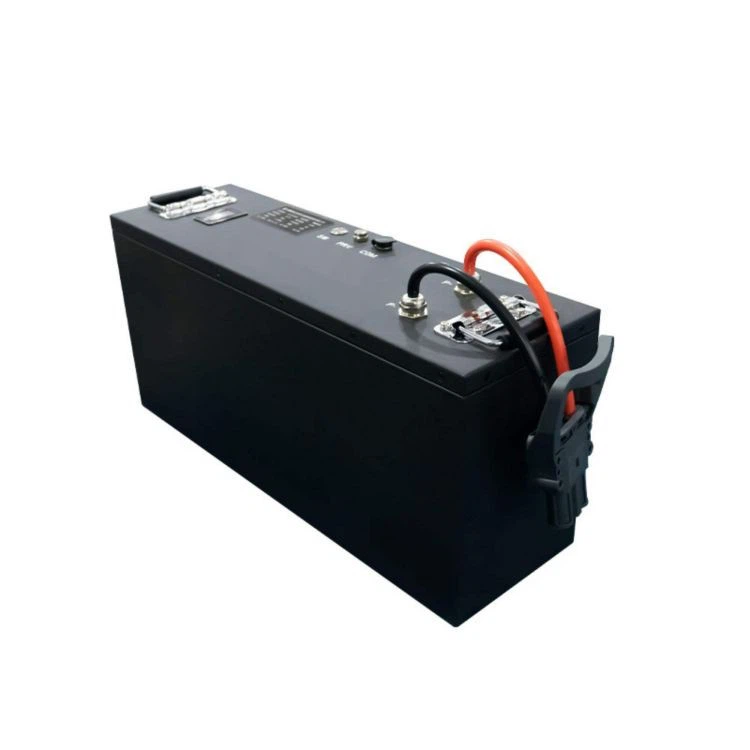

- Wear protective gear: This includes gloves, goggles, and a face shield. The electrolyte in the battery is corrosive, so you don't want it to come into contact with your skin or eyes.
- Turn off the power: Make sure the forklift is turned off and the battery is disconnected from the charging system before you start working on it.
- Work in a well-ventilated area: The battery can produce hydrogen gas, which is flammable. Make sure you're working in a well-ventilated area to avoid any potential explosions.
Fixing the Problem
Once you've identified the problem with the battery, it's time to start fixing it. Here's how you can handle some of the most common issues:
1. Physical Damage
If the battery has physical damage, such as a cracked case or a broken terminal, you'll need to replace the damaged parts. You can usually find replacement parts at your local forklift battery supplier. Make sure you follow the manufacturer's instructions when replacing the parts, and be careful not to damage the other components of the battery.
2. Sulfation
If the battery is suffering from sulfation, you can try using a desulfator to remove the lead sulfate crystals from the battery plates. A desulfator is a device that sends high-frequency pulses through the battery to break up the crystals. You can buy a desulfator online or at your local forklift battery supplier. Follow the instructions on the desulfator carefully, and be patient – it may take several hours or even days to fully desulfate the battery.
3. Overheating
If the battery is overheating, you'll need to find out what's causing the problem. Check the charging system to make sure it's working properly, and make sure the battery isn't being overcharged. You can also try reducing the load on the battery by using the forklift less frequently or by using a smaller forklift. If the problem persists, you may need to replace the battery.
4. Low Electrolyte Levels
If the electrolyte levels in the battery are low, you'll need to add distilled water to bring them back up. Make sure you use distilled water, as tap water can contain minerals that can damage the battery. You can add the water through the filler caps on the battery case. Be careful not to overfill the battery, as this can cause the electrolyte to spill out.
Preventing Future Damage
Once you've fixed the problem with the battery, it's important to take steps to prevent future damage. Here are some tips to help you keep your 48V forklift battery in good condition:
- Charge the battery properly: Make sure you follow the manufacturer's instructions when charging the battery. Overcharging or undercharging the battery can cause damage, so it's important to get it right.
- Store the battery properly: If you're not going to be using the battery for a while, make sure you store it in a cool, dry place. Avoid storing the battery in direct sunlight or in a hot environment, as this can cause the battery to overheat.
- Maintain the battery regularly: Check the electrolyte levels in the battery regularly, and add distilled water as needed. You should also clean the battery terminals and check for any signs of damage or corrosion.
- Use the right forklift for the job: Make sure you're using the right forklift for the job. Using a forklift that's too small or too large for the load can put extra stress on the battery and cause damage.
Other Forklift Battery Options
If you're in the market for a new forklift battery, we also offer 36V Forklift Battery and 24V Forklift Battery options. These batteries are suitable for different types of forklifts and applications, so make sure you choose the one that's right for your needs. You can check out our 48V Forklift Battery on our website to learn more about our products and see if they're a good fit for you.
Contact Us for More Information
If you have any questions about handling a damaged 48V forklift battery, or if you're interested in purchasing a new battery, please don't hesitate to contact us. We're here to help you find the right solution for your needs, and we'll do our best to provide you with the highest quality products and services.
References
- Forklift Battery Maintenance Guide. (n.d.). Retrieved from various industry publications and manufacturer manuals.
- Safety Guidelines for Working with Forklift Batteries. (n.d.). Compiled from safety standards and best practices in the forklift industry.