

Maintaining a 24V LiFePO4 marine battery is crucial for ensuring its longevity, reliability, and optimal performance. As a supplier of 24V Lifepo4 Marine Battery, I understand the importance of proper battery maintenance. In this blog post, I'll share some key tips and best practices to help you keep your 24V LiFePO4 marine battery in top condition.

Understanding LiFePO4 Batteries
Before delving into maintenance, it's essential to understand the basics of LiFePO4 (Lithium Iron Phosphate) batteries. LiFePO4 batteries offer several advantages over traditional lead - acid batteries, such as higher energy density, longer cycle life, lighter weight, and better charge - discharge efficiency. They are also more environmentally friendly and have a lower self - discharge rate.

However, they do have specific requirements for charging, discharging, and storage to ensure their safety and performance. LiFePO4 batteries typically have a nominal voltage of 3.2V per cell, and a 24V LiFePO4 battery usually consists of 7 or 8 cells connected in series.
Charging the 24V LiFePO4 Marine Battery
- Use a Compatible Charger: Always use a charger specifically designed for LiFePO4 batteries. These chargers are calibrated to deliver the correct voltage and current for LiFePO4 chemistry. Using an incompatible charger can lead to overcharging, overheating, and reduced battery life. A good quality LiFePO4 charger will have features like over - charge protection, over - current protection, and temperature compensation.
- Follow the Recommended Charging Profile: LiFePO4 batteries generally have a two - stage charging process: constant current (CC) and constant voltage (CV). During the CC stage, the charger supplies a constant current to the battery until it reaches a certain voltage. Then, it switches to the CV stage, where the voltage is kept constant while the current gradually decreases. It's important to follow the manufacturer's recommended charging profile to avoid damaging the battery.
- Avoid Overcharging: Overcharging a LiFePO4 battery can cause irreversible damage, such as the formation of lithium metal deposits, which can lead to short - circuits and thermal runaway. Most modern LiFePO4 chargers have built - in over - charge protection, but it's still a good practice to monitor the charging process and disconnect the charger once the battery is fully charged.
- Charge at the Right Temperature: LiFePO4 batteries should be charged within a specific temperature range, typically between 0°C and 45°C (32°F and 113°F). Charging the battery at temperatures outside this range can reduce its performance and lifespan. If the battery is too cold, the charging process may be slow or ineffective, and if it's too hot, it can cause accelerated degradation.
Discharging the 24V LiFePO4 Marine Battery
- Avoid Deep Discharging: LiFePO4 batteries should not be deeply discharged. A general rule of thumb is to avoid discharging the battery below 20% of its capacity. Deep discharging can cause stress on the battery cells, leading to reduced capacity and cycle life. Some LiFePO4 batteries come with a built - in battery management system (BMS) that will cut off the power when the battery reaches a certain low - voltage threshold to prevent deep discharging.
- Manage the Discharge Rate: The discharge rate of a LiFePO4 battery affects its performance and lifespan. High - rate discharging can generate more heat and cause more stress on the battery cells. It's important to match the load requirements with the battery's discharge capabilities. For example, if you have high - power devices on your marine vessel, make sure the battery can handle the discharge rate without overheating or being over - stressed.
Storage of the 24V LiFePO4 Marine Battery
- Store at the Right State of Charge: When storing the 24V LiFePO4 marine battery, it's best to store it at a state of charge between 30% and 50%. Storing the battery at a full charge or a very low charge for an extended period can cause degradation. If you plan to store the battery for a long time, check the state of charge periodically and recharge it if necessary to maintain it within the recommended range.
- Store in a Cool and Dry Place: High temperatures and humidity can accelerate the degradation of LiFePO4 batteries. Store the battery in a cool, dry place away from direct sunlight and sources of heat. A temperature range of 10°C to 25°C (50°F to 77°F) is ideal for long - term storage.
- Disconnect from the Load: Before storing the battery, make sure to disconnect it from any loads to prevent self - discharge and potential damage. Also, if there are any switches or circuits connected to the battery, turn them off.
Regular Inspections and Maintenance
- Visual Inspections: Regularly inspect the battery for any signs of physical damage, such as cracks, bulges, or leaks. If you notice any damage, stop using the battery immediately and contact the manufacturer or a professional for further advice.
- Check the Connections: Loose or corroded connections can cause poor electrical contact, leading to voltage drops, increased resistance, and reduced battery performance. Check the battery terminals and connections regularly and clean them if necessary. Use a wire brush to remove any corrosion and apply a thin layer of anti - corrosion grease to prevent future corrosion.
- Monitor the Battery Management System (BMS): If your 24V LiFePO4 marine battery is equipped with a BMS, monitor its performance regularly. The BMS helps to protect the battery from over - charging, over - discharging, and over - current. Make sure the BMS is functioning properly and that all the parameters are within the normal range.
Comparing with Other Voltage Marine Batteries
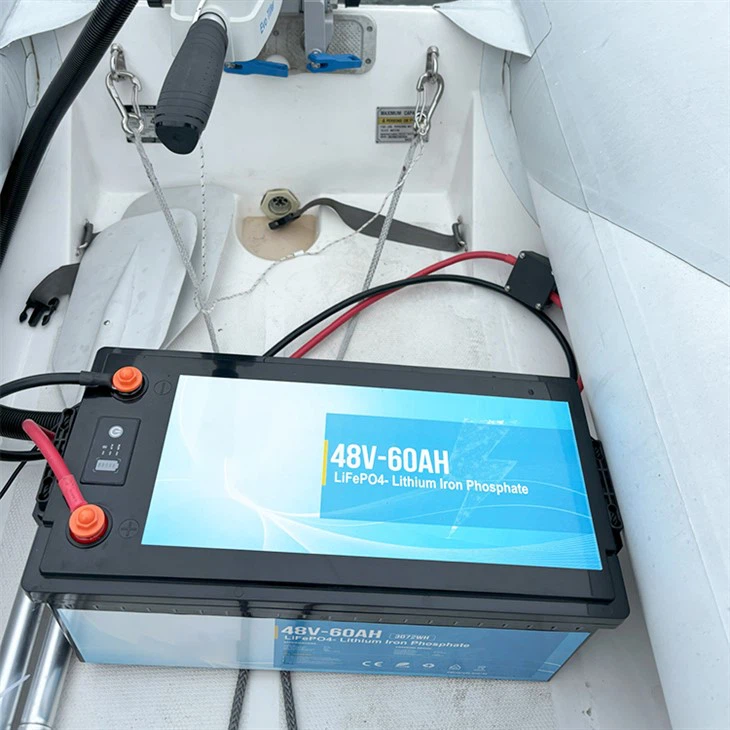
In the marine battery market, apart from the 24V LiFePO4 marine battery, 12V Lifepo4 Marine Battery and 48V Lifepo4 Marine Battery are also popular choices. The 12V batteries are often used in smaller marine vessels or for powering low - voltage devices, while the 48V batteries are suitable for larger vessels with high - power requirements. The maintenance principles for these batteries are similar to those of the 24V battery, but the charging and discharging parameters may vary depending on the voltage and capacity.
Conclusion
Proper maintenance of a 24V LiFePO4 marine battery is essential for maximizing its lifespan and performance. By following the tips mentioned above, you can ensure that your battery serves you well for many years. If you have any questions about maintaining your 24V LiFePO4 marine battery or are interested in purchasing high - quality batteries, feel free to reach out to us. We are always ready to provide you with professional advice and support.
References
- "Lithium - Ion Battery Handbook" by Thomas J. Garver
- Manufacturer's manuals for LiFePO4 marine batteries