

Hey there, fellow RV enthusiasts! As a supplier of RV batteries, I've seen my fair share of battery issues, and one of the scariest things that can happen is a battery explosion. Not only can it cause damage to your RV and its components, but it can also pose a serious safety risk to you and your passengers. So, in this blog post, I'm going to share some tips on how to prevent an RV battery from exploding.
Understanding the Risks
Before we dive into the prevention methods, it's important to understand why RV batteries can explode in the first place. RV batteries, especially lead-acid batteries, produce hydrogen gas during the charging process. Hydrogen is highly flammable, and if it accumulates in an enclosed space, it can create an explosive mixture. This is why it's crucial to take proper precautions to prevent hydrogen gas buildup.
Choose the Right Battery
The first step in preventing a battery explosion is to choose the right battery for your RV. There are several types of RV batteries available, including lead-acid, lithium-ion, and AGM (Absorbent Glass Mat) batteries. Each type has its own advantages and disadvantages, but when it comes to safety, lithium-ion and AGM batteries are generally considered to be safer than traditional lead-acid batteries.
Lithium-ion batteries are known for their high energy density, long lifespan, and low self-discharge rate. They also don't produce hydrogen gas during charging, which eliminates the risk of explosion due to gas buildup. AGM batteries, on the other hand, are a type of lead-acid battery that uses a special glass mat separator to absorb the electrolyte. This design reduces the risk of acid leakage and hydrogen gas production.
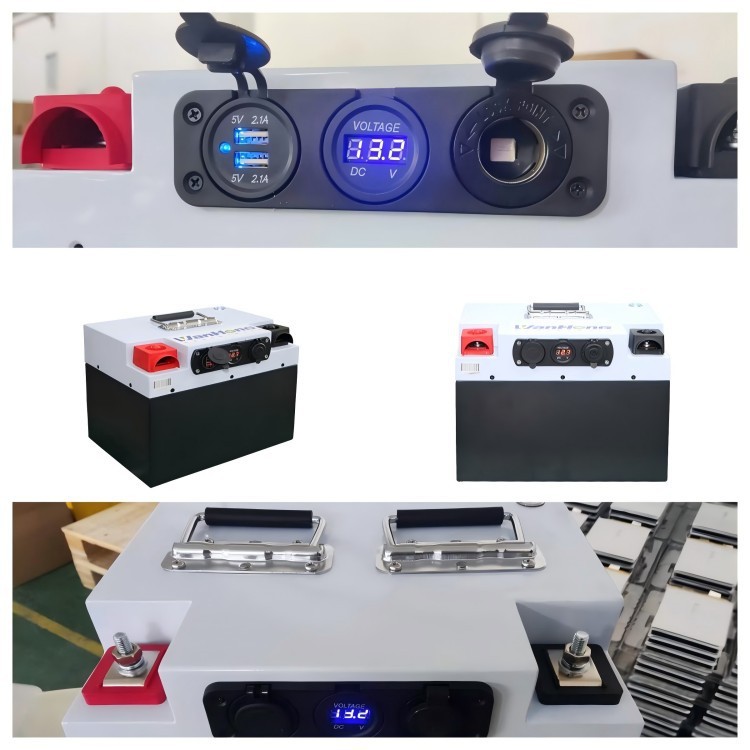
If you're in the market for a new RV battery, I recommend checking out our 24V RV Battery and 12V RV Battery options. These batteries are designed to provide reliable power and are built with safety in mind.
Proper Installation
Proper installation is key to preventing a battery explosion. When installing your RV battery, make sure to follow the manufacturer's instructions carefully. Here are some important installation tips:

- Ventilation: Ensure that the battery compartment is well-ventilated to allow hydrogen gas to escape. If your RV doesn't have a built-in ventilation system, you can install a battery vent kit to improve airflow.
- Secure Mounting: Make sure the battery is securely mounted to prevent it from moving around during travel. A loose battery can cause short circuits and other electrical problems.
- Correct Wiring: Use the correct gauge of wire and make sure all connections are tight and secure. Loose connections can cause arcing, which can lead to a fire or explosion.
Charging Safety
Overcharging is one of the main causes of battery explosions. To prevent overcharging, it's important to use a charger that is specifically designed for your RV battery. Here are some charging safety tips:
- Use a Smart Charger: A smart charger will automatically adjust the charging rate based on the battery's state of charge, preventing overcharging.
- Monitor the Charging Process: Keep an eye on the battery while it's charging and stop the charging process if you notice any signs of overheating or excessive gas production.
- Avoid Fast Charging: Fast charging can generate a lot of heat, which can damage the battery and increase the risk of explosion. It's best to charge your battery at a slow, steady rate.
Maintenance
Regular maintenance is essential for keeping your RV battery in good condition and preventing explosions. Here are some maintenance tips:
- Check the Water Level: If you have a lead-acid battery, make sure to check the water level regularly and add distilled water as needed. Low water levels can cause the battery to overheat and increase the risk of explosion.
- Clean the Battery: Keep the battery clean and free of dirt and corrosion. You can use a mixture of baking soda and water to clean the battery terminals and remove any corrosion.
- Inspect the Battery: Regularly inspect the battery for any signs of damage, such as cracks or leaks. If you notice any damage, replace the battery immediately.
Storage
Proper storage is also important for preventing battery explosions. If you're not going to be using your RV for an extended period of time, here are some storage tips:
- Disconnect the Battery: Disconnect the battery from the RV to prevent it from discharging.
- Store the Battery in a Cool, Dry Place: High temperatures can cause the battery to overheat and increase the risk of explosion. It's best to store the battery in a cool, dry place.
- Charge the Battery Regularly: If you're storing the battery for an extended period of time, make sure to charge it every few months to prevent it from losing its charge.
Conclusion
Preventing an RV battery from exploding is all about taking the right precautions. By choosing the right battery, installing it properly, charging it safely, maintaining it regularly, and storing it correctly, you can reduce the risk of a battery explosion and keep your RV and its passengers safe.
If you have any questions about RV batteries or need help choosing the right battery for your RV, don't hesitate to contact us. We're here to help you find the best battery solution for your needs. Let's start a conversation and discuss your requirements for a reliable and safe RV battery. Looking forward to working with you!
References
- "RV Battery Safety: How to Prevent Battery Explosions." RV Life, https://www.rvlife.com/rv-battery-safety-how-to-prevent-battery-explosions/.
- "Battery Safety Tips for RVers." Camper Report, https://www.camperreport.com/battery-safety-tips-for-rvers/.
- "How to Choose the Right RV Battery." The Balance Everyday, https://www.thebalanceeveryday.com/how-to-choose-the-right-rv-battery-4173870.