

As a home energy storage system supplier, I often get asked about the installation requirements for these systems. Home energy storage systems are becoming increasingly popular as more homeowners look for ways to reduce their energy costs, increase their energy independence, and contribute to a more sustainable future. In this blog post, I'll discuss the key installation requirements for a home energy storage system, including location, electrical requirements, and safety considerations.
Location
The first consideration when installing a home energy storage system is the location. The system should be installed in a well-ventilated area that is protected from the elements. This could be a garage, basement, or utility room. The location should also be easily accessible for maintenance and repairs.
When choosing a location, it's important to consider the weight of the system. Home energy storage systems can be quite heavy, especially if they are large-capacity systems. Make sure the floor or surface where the system will be installed can support the weight of the system.
Another important factor to consider is the distance between the energy storage system and the electrical panel. The closer the system is to the electrical panel, the less wiring will be required, which can reduce installation costs. However, it's important to ensure that there is enough space between the system and the electrical panel to allow for proper ventilation and maintenance.
Electrical Requirements
Home energy storage systems require a specific electrical setup to ensure they operate safely and efficiently. The first step is to determine the electrical load of the system. This will depend on the size and capacity of the system, as well as the energy needs of your home.
Once you have determined the electrical load, you will need to ensure that your electrical panel has enough capacity to support the system. If your electrical panel is not large enough, you may need to upgrade it to accommodate the additional load.
In addition to the electrical panel, you will also need to install a dedicated circuit for the energy storage system. This circuit should be sized appropriately for the system and should be installed by a licensed electrician.

Safety Considerations
Safety is always a top priority when installing a home energy storage system. The system should be installed in accordance with all local electrical codes and regulations. This includes proper grounding, overcurrent protection, and ventilation.
It's also important to ensure that the system is installed in a location where it is not at risk of being damaged by water, fire, or other hazards. If the system is installed in a basement or other area that is prone to flooding, it should be installed on a raised platform to prevent water damage.
In addition to these safety considerations, it's important to follow all manufacturer's instructions when installing and operating the energy storage system. This includes proper handling of the batteries, charging and discharging procedures, and maintenance requirements.
Compatibility with Existing Systems
If you already have a solar panel system or other renewable energy source installed in your home, it's important to ensure that the home energy storage system is compatible with these systems. This will ensure that the energy generated by your renewable energy source can be stored and used efficiently.
When choosing a home energy storage system, it's important to look for a system that is designed to work with your existing renewable energy system. This may require some research and consultation with a professional installer.
Installation Process
The installation process for a home energy storage system typically involves several steps. First, the installer will assess your home's electrical system and determine the best location for the system. They will then install the necessary wiring and electrical components, including the dedicated circuit for the system.
Once the electrical components are installed, the installer will install the energy storage system itself. This may involve mounting the batteries and the inverter, as well as connecting the system to the electrical panel.
After the system is installed, the installer will test the system to ensure that it is operating properly. They will also provide you with instructions on how to operate and maintain the system.
Recommended Products
As a home energy storage system supplier, we offer a range of products to meet the needs of different homeowners. Some of our recommended products include:
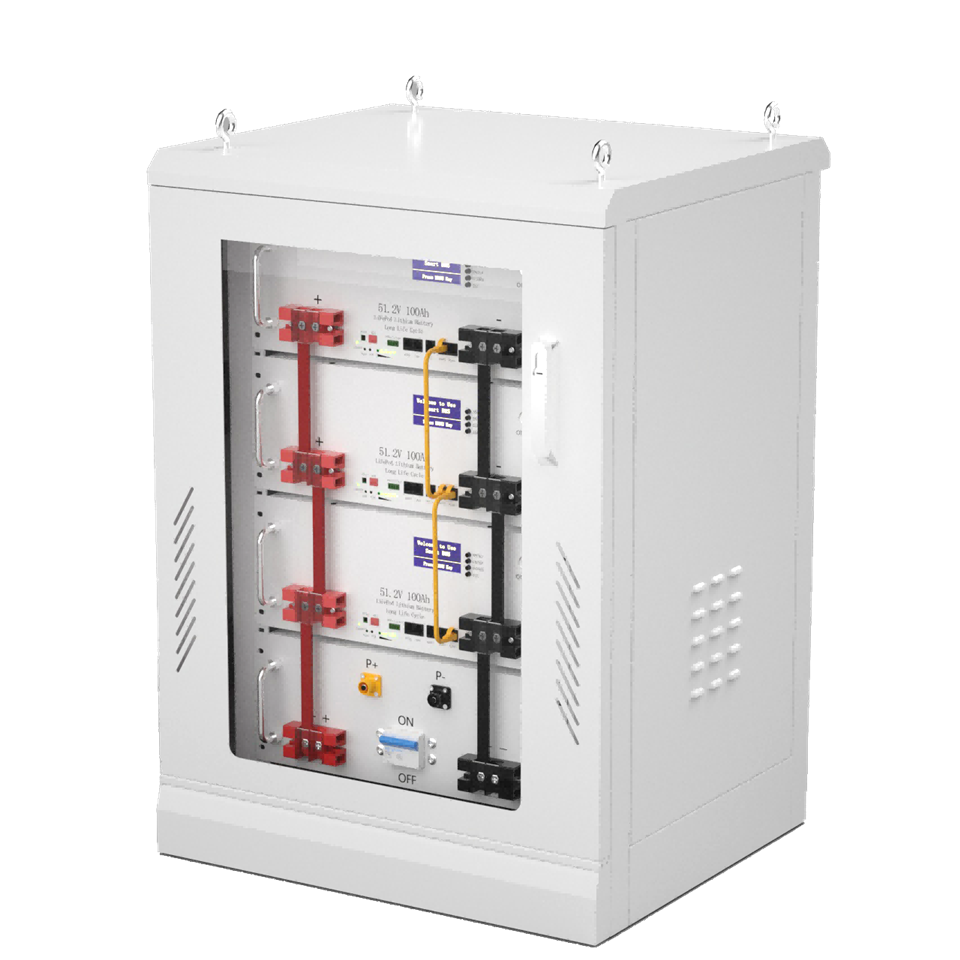
- 48V Rack Mount Lithium Battery: This high-capacity lithium battery is designed for home energy storage applications. It offers a long lifespan and high energy density, making it a reliable and efficient choice for homeowners.
- All In One Inverter And Battery: This all-in-one system combines an inverter and a battery into a single unit, making it easy to install and operate. It is suitable for both off-grid and grid-tied applications.
- Server Rack Lifepo4 Battery: This battery is designed for use in server racks and other high-performance applications. It offers a high energy density and a long lifespan, making it a reliable choice for homeowners who need a high-capacity energy storage solution.
Conclusion
Installing a home energy storage system can be a complex process, but it is well worth the investment. By following the installation requirements outlined in this blog post, you can ensure that your system is installed safely and efficiently. If you have any questions or need further assistance, please don't hesitate to contact us. We are here to help you choose the right home energy storage system for your needs and ensure that it is installed correctly.
References
- Electrical Safety Foundation International. (n.d.). Home Electrical Safety. Retrieved from [Website URL]
- National Fire Protection Association. (n.d.). National Electrical Code. Retrieved from [Website URL]
- Solar Energy Industries Association. (n.d.). Home Energy Storage. Retrieved from [Website URL]