

When it comes to the operation of forklifts, the battery is a crucial component that powers these workhorses in warehouses, distribution centers, and industrial settings. As a leading supplier of 80V Forklift Battery, we often receive inquiries about the maximum discharge current of an 80V forklift battery. In this blog post, we will delve into the factors that determine the maximum discharge current, its importance, and how it impacts the performance of your forklift.
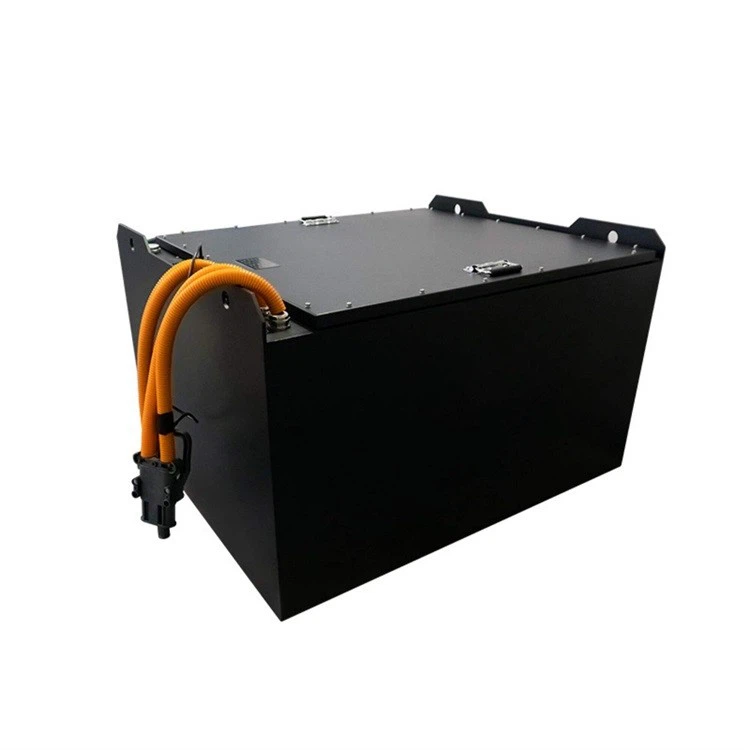

Understanding the Basics of Forklift Batteries
Before we dive into the maximum discharge current, let's first understand the fundamentals of forklift batteries. Forklift batteries are typically lead-acid batteries, which are known for their reliability, durability, and cost-effectiveness. These batteries consist of multiple cells connected in series to achieve the desired voltage, such as 24V, 36V, or 80V. The capacity of a forklift battery is measured in ampere-hours (Ah), which indicates the amount of charge the battery can store and deliver over a specific period.
What is Discharge Current?
Discharge current refers to the rate at which a battery releases its stored energy. In the context of forklifts, the discharge current is the amount of electrical current that flows from the battery to the forklift's electric motor to power its operation. The discharge current is influenced by several factors, including the forklift's load, speed, and operating conditions.
Factors Affecting the Maximum Discharge Current
The maximum discharge current of an 80V forklift battery is determined by several factors, including:
- Battery Capacity: The capacity of the battery plays a significant role in determining the maximum discharge current. A higher capacity battery can deliver a higher discharge current for a longer period. For example, a battery with a capacity of 500Ah can deliver a higher discharge current compared to a battery with a capacity of 300Ah.
- Battery Chemistry: The chemistry of the battery also affects the maximum discharge current. Lead-acid batteries, which are commonly used in forklifts, have a limited discharge rate compared to other battery chemistries, such as lithium-ion batteries. Lithium-ion batteries can deliver a higher discharge current for a longer period, making them suitable for high-performance applications.
- Battery Temperature: The temperature of the battery can also impact the maximum discharge current. As the temperature of the battery increases, the internal resistance of the battery decreases, allowing it to deliver a higher discharge current. However, operating the battery at high temperatures can also reduce its lifespan and performance.
- Forklift Load: The load carried by the forklift is one of the primary factors that determine the discharge current. A forklift carrying a heavy load requires more power to operate, resulting in a higher discharge current. Conversely, a forklift carrying a light load requires less power, resulting in a lower discharge current.
- Forklift Speed: The speed at which the forklift operates also affects the discharge current. A forklift operating at a high speed requires more power to maintain its speed, resulting in a higher discharge current. Conversely, a forklift operating at a low speed requires less power, resulting in a lower discharge current.
Importance of the Maximum Discharge Current
The maximum discharge current of an 80V forklift battery is an important parameter that determines the performance and efficiency of the forklift. A higher maximum discharge current allows the forklift to operate at a higher power level, enabling it to carry heavier loads and operate at higher speeds. This can significantly improve the productivity and efficiency of your forklift operations.
However, it is important to note that operating the battery at its maximum discharge current for an extended period can also have a negative impact on the battery's lifespan and performance. Overloading the battery can cause it to overheat, which can lead to premature aging, reduced capacity, and even battery failure. Therefore, it is essential to choose a battery with a maximum discharge current that is suitable for your forklift's operating requirements.
Calculating the Maximum Discharge Current
Calculating the maximum discharge current of an 80V forklift battery requires a thorough understanding of the forklift's operating requirements and the battery's specifications. The maximum discharge current can be calculated using the following formula:
Maximum Discharge Current (A) = Forklift Power Requirement (W) / Battery Voltage (V)
For example, if your forklift has a power requirement of 4000W and is powered by an 80V battery, the maximum discharge current can be calculated as follows:
Maximum Discharge Current (A) = 4000W / 80V = 50A
It is important to note that the calculated maximum discharge current is only an estimate and may vary depending on the forklift's operating conditions and the battery's actual performance.
Choosing the Right 80V Forklift Battery
When choosing an 80V forklift battery, it is important to consider the maximum discharge current and other factors, such as battery capacity, chemistry, and lifespan. Here are some tips to help you choose the right battery for your forklift:
- Determine Your Forklift's Power Requirements: Before choosing a battery, it is important to determine your forklift's power requirements. This includes the forklift's load capacity, speed, and operating conditions. By understanding your forklift's power requirements, you can choose a battery with a maximum discharge current that is suitable for your needs.
- Consider the Battery's Capacity: The capacity of the battery is another important factor to consider. A higher capacity battery can deliver a higher discharge current for a longer period, which can improve the productivity and efficiency of your forklift operations. However, a higher capacity battery may also be more expensive and heavier.
- Choose the Right Battery Chemistry: There are several battery chemistries available for forklifts, including lead-acid, lithium-ion, and nickel-metal hydride. Each battery chemistry has its own advantages and disadvantages, so it is important to choose the right chemistry for your forklift's operating requirements. Lead-acid batteries are the most common type of battery used in forklifts, but they have a limited discharge rate and require regular maintenance. Lithium-ion batteries, on the other hand, have a higher discharge rate, longer lifespan, and require less maintenance, but they are also more expensive.
- Consider the Battery's Lifespan: The lifespan of the battery is another important factor to consider. A battery with a longer lifespan can save you money in the long run by reducing the need for frequent battery replacements. When choosing a battery, it is important to consider the manufacturer's warranty and the expected lifespan of the battery.
Conclusion
In conclusion, the maximum discharge current of an 80V forklift battery is an important parameter that determines the performance and efficiency of the forklift. The maximum discharge current is influenced by several factors, including the battery capacity, chemistry, temperature, forklift load, and speed. By understanding these factors and choosing a battery with a maximum discharge current that is suitable for your forklift's operating requirements, you can improve the productivity and efficiency of your forklift operations.
If you are in the market for an 80V Forklift Battery, we invite you to contact us to learn more about our products and services. Our team of experts can help you choose the right battery for your forklift and provide you with the support and guidance you need to ensure its optimal performance.
References
- Battery University. (n.d.). Understanding Battery Discharge. Retrieved from https://batteryuniversity.com/learn/article/understanding_battery_discharge
- forkliftbatteries.com. (n.d.). Forklift Battery Basics. Retrieved from https://www.forkliftbatteries.com/forklift-battery-basics/
- Material Handling Equipment Distributors Association. (n.d.). Forklift Battery Safety. Retrieved from https://mheda.org/forklift-battery-safety/