

Can home energy storage systems be used in apartments?
In recent years, the concept of home energy storage systems has gained significant traction as a sustainable and cost - effective solution for managing electricity consumption. As a home energy storage supplier, I often get asked whether these systems can be used in apartments. In this blog post, I'll explore the feasibility, benefits, and challenges of using home energy storage systems in apartment settings.
Feasibility of Home Energy Storage in Apartments
The first question that comes to mind is whether it's technically possible to install a home energy storage system in an apartment. The answer is a resounding yes, but it depends on several factors.
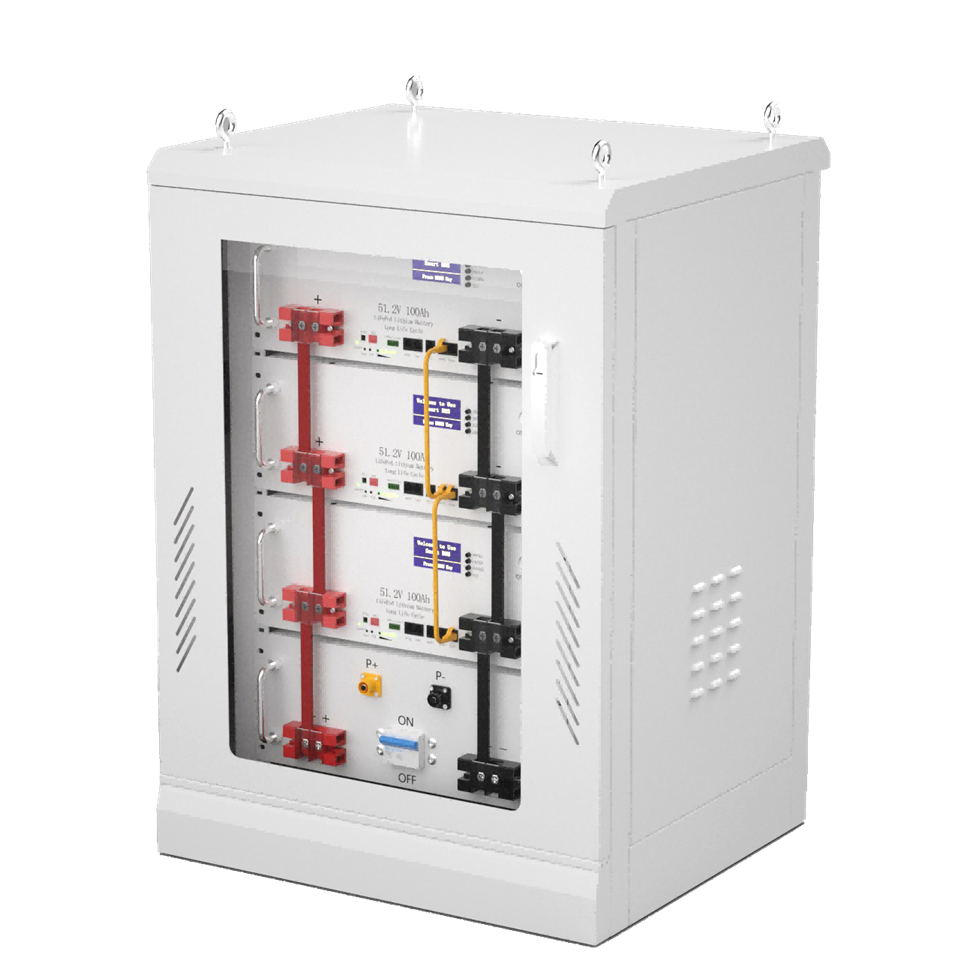
One of the primary considerations is the available space. Unlike single - family homes, apartments typically have limited square footage. However, modern home energy storage systems come in a variety of sizes and configurations. For instance, the 48V Rack Mount Lithium Battery is designed to be space - efficient, allowing it to fit into relatively small areas such as closets or utility rooms.
Another important factor is the electrical infrastructure of the apartment. Most apartments are equipped with standard electrical systems, and many home energy storage systems can be integrated with these existing setups. The All In One Inverter And Battery simplifies the installation process by combining the inverter and battery into a single unit, which can be more easily connected to the apartment's electrical panel.
Benefits of Home Energy Storage in Apartments
There are several compelling reasons why apartment dwellers might consider installing a home energy storage system.
Cost Savings: Electricity prices can be volatile, with peak - hour rates often significantly higher than off - peak rates. By storing energy during off - peak hours and using it during peak hours, apartment residents can reduce their electricity bills. For example, if an apartment complex has a time - of - use electricity tariff, a home energy storage system can help shift the energy consumption to the most cost - effective periods.
Energy Independence: With a home energy storage system, apartment residents can have a degree of energy independence. In the event of a power outage, the stored energy can be used to power essential appliances such as lights, refrigerators, and medical equipment. This is particularly important for those who rely on electricity - dependent medical devices.
Environmental Sustainability: Using a home energy storage system in conjunction with renewable energy sources, such as solar panels, can significantly reduce an apartment's carbon footprint. Even if the apartment itself doesn't have direct access to sunlight for solar panel installation, the energy storage system can still store energy purchased from the grid when it is generated from renewable sources.
Challenges of Home Energy Storage in Apartments
While there are many benefits, there are also some challenges associated with using home energy storage systems in apartments.
Installation Restrictions: Apartment buildings often have strict rules and regulations regarding installations. Homeowners' associations or property management companies may need to approve the installation of a home energy storage system. This can involve submitting detailed plans and obtaining the necessary permits, which can be a time - consuming process.
Capacity Limitations: Due to space constraints, the capacity of the home energy storage system that can be installed in an apartment may be limited. This means that the system may not be able to meet all of the apartment's energy needs during an extended power outage or high - demand periods. However, larger capacity options like the WhetEnergy 51.2V 840Ah LiFePO₄ Battery — 43.008kWh Heavy - Duty Module can be considered if space allows.
Initial Investment: The upfront cost of purchasing and installing a home energy storage system can be relatively high. This may be a deterrent for some apartment residents, especially those on a tight budget. However, it's important to consider the long - term savings and benefits that the system can provide.
Overcoming the Challenges
To overcome the challenges of using home energy storage systems in apartments, several strategies can be employed.
Communication with Property Management: Residents should engage in open communication with their property management companies or homeowners' associations early in the process. By explaining the benefits of the home energy storage system, such as increased energy efficiency and reduced strain on the electrical grid, they may be more likely to approve the installation.
Optimal System Sizing: Working with a professional installer to determine the optimal size of the home energy storage system based on the apartment's energy consumption patterns is crucial. This can help ensure that the system provides the maximum benefit without over - investing in capacity.

Financial Incentives: Many governments and utility companies offer financial incentives, such as rebates and tax credits, for installing home energy storage systems. Apartment residents should research these incentives to offset the initial investment cost.
Conclusion
In conclusion, home energy storage systems can indeed be used in apartments. While there are challenges such as installation restrictions, capacity limitations, and initial investment costs, the benefits of cost savings, energy independence, and environmental sustainability make them a viable option for many apartment residents.
As a home energy storage supplier, I am committed to helping apartment residents find the right home energy storage solution for their needs. Whether it's a compact 48V Rack Mount Lithium Battery or a more powerful WhetEnergy 51.2V 840Ah LiFePO₄ Battery — 43.008kWh Heavy - Duty Module, we have a range of products to suit different requirements.
If you're an apartment resident interested in learning more about home energy storage systems or would like to discuss a potential purchase, please feel free to reach out. We're here to provide you with the information and support you need to make an informed decision.
References
- "Home Energy Storage: A Guide for Consumers", U.S. Department of Energy.
- "Energy Storage Technologies and Applications in Residential Buildings", Journal of Sustainable Energy and Buildings.
- "The Economics of Home Energy Storage Systems", Energy Policy Research Institute.